
Chukotka and Wrangel Island: In the Land of the Polar Bear
You will discover the land of the polar bears and observe them in their pristine Arctic environment — one of the rarest wildlife experiences on the planet.
Chukotka and Wrangel Island: In the Land of the Polar Bear
You will discover the land of the polar bears and observe them in their pristine Arctic environment — one of the rarest wildlife experiences on the planet.
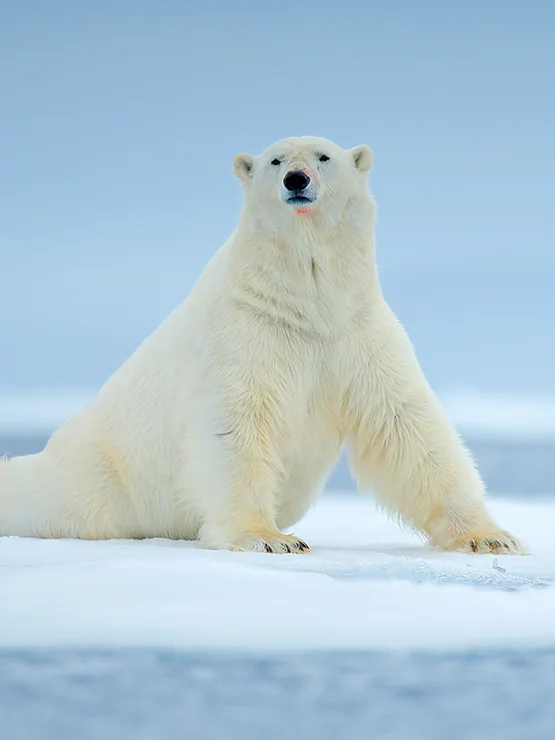
Polar bear and whale watching
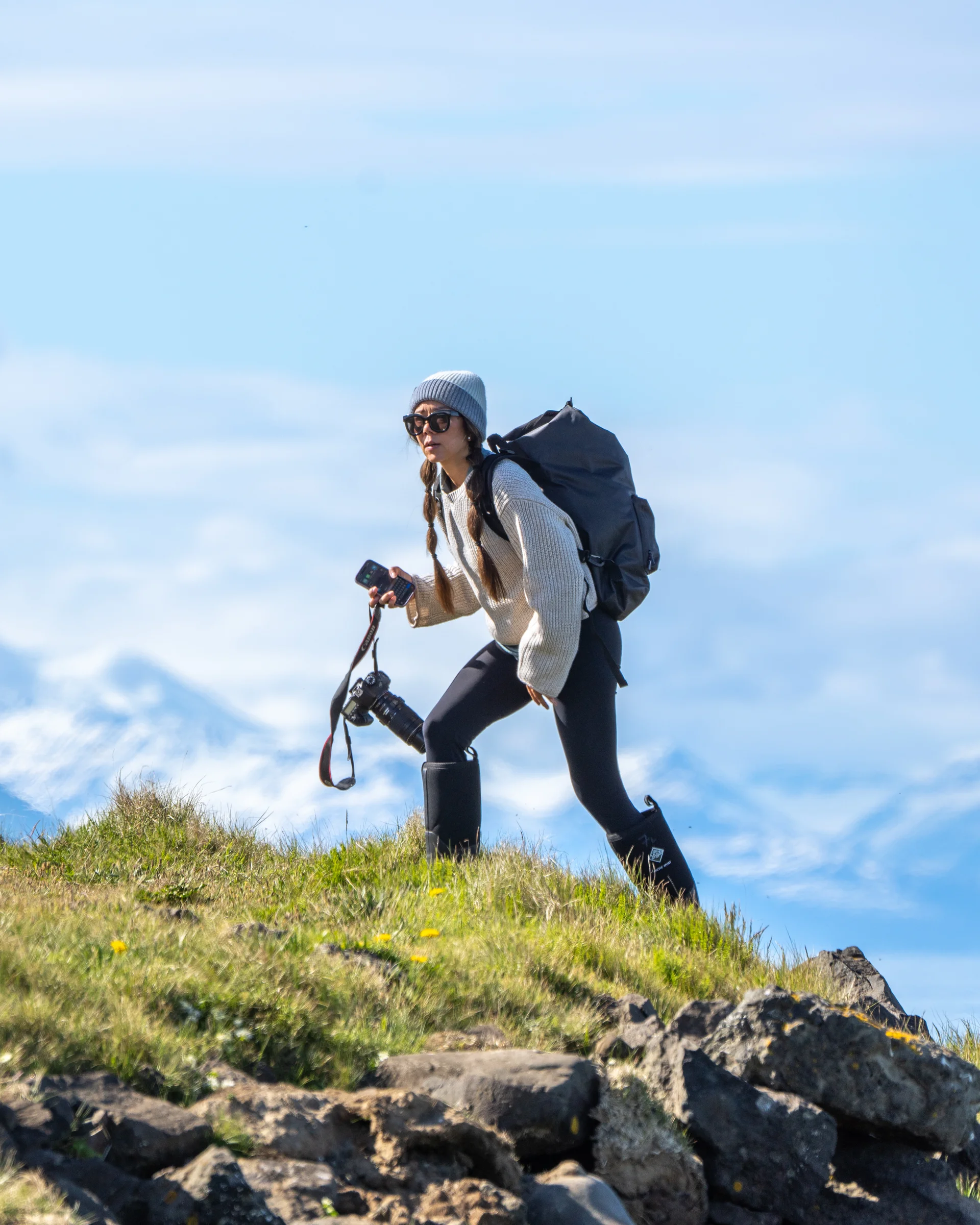
Dramatic Chukotka landscapes and flowering carpets of Arctic tundra on walks and treks
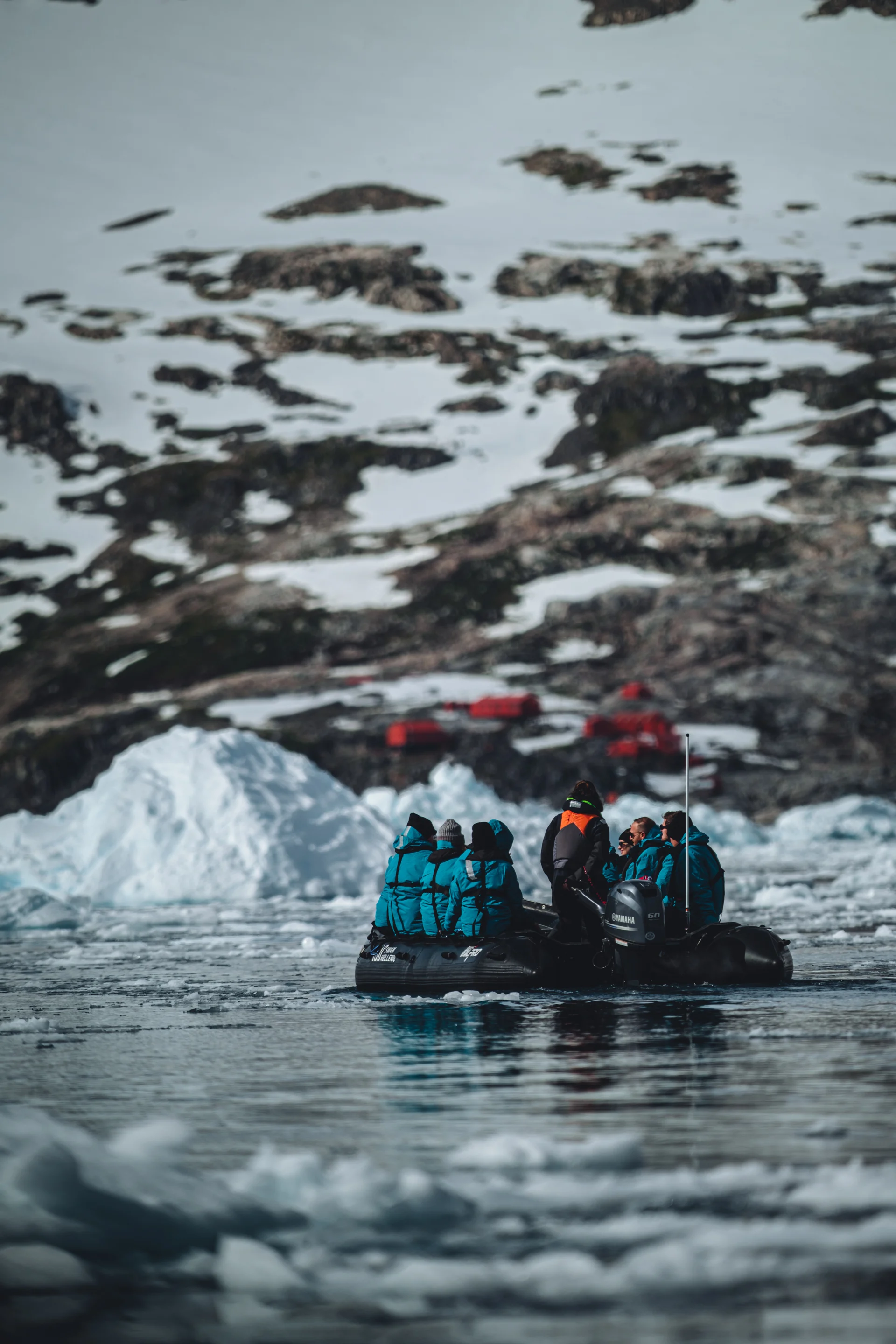
Zodiac cruising
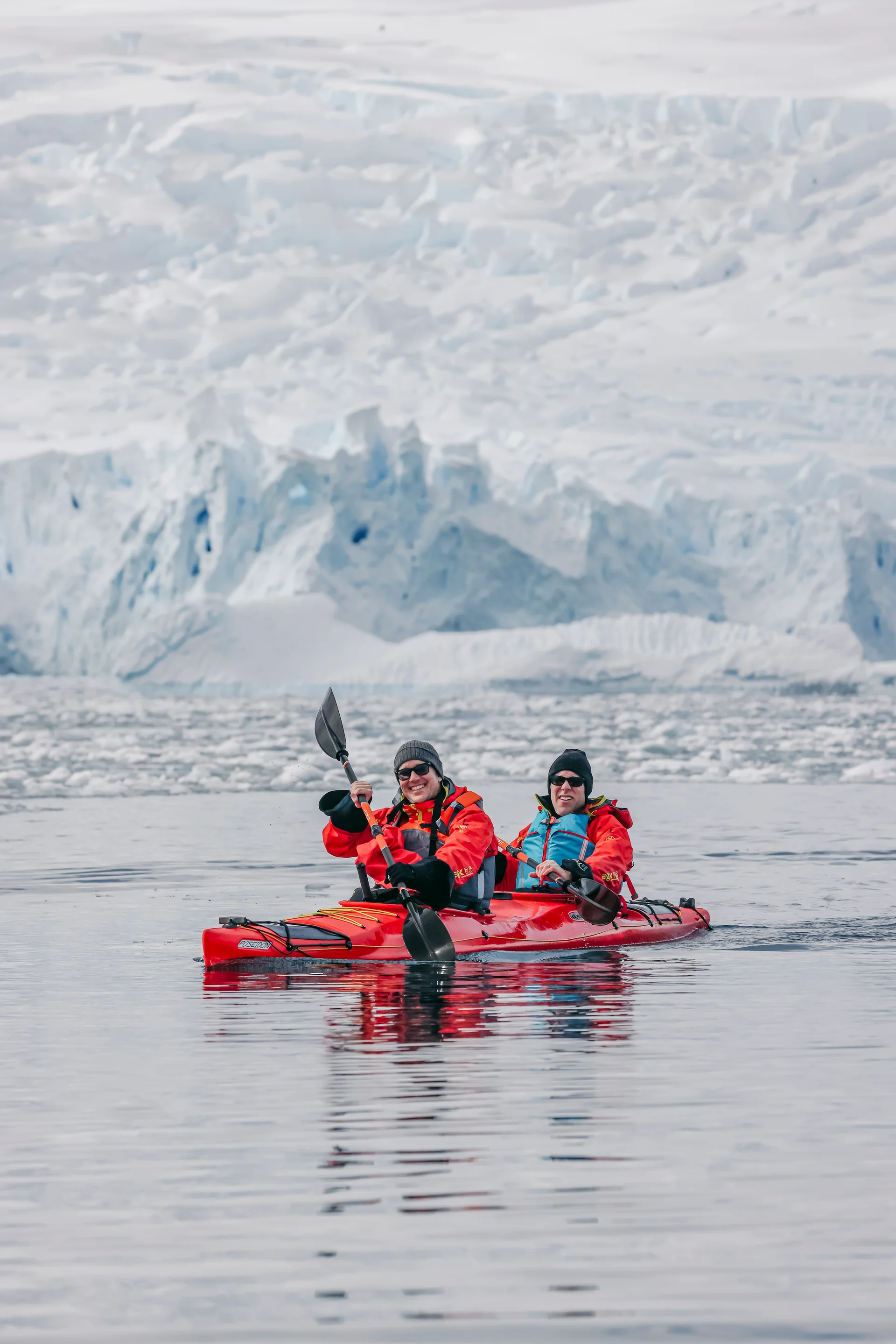
Kayaking excursions
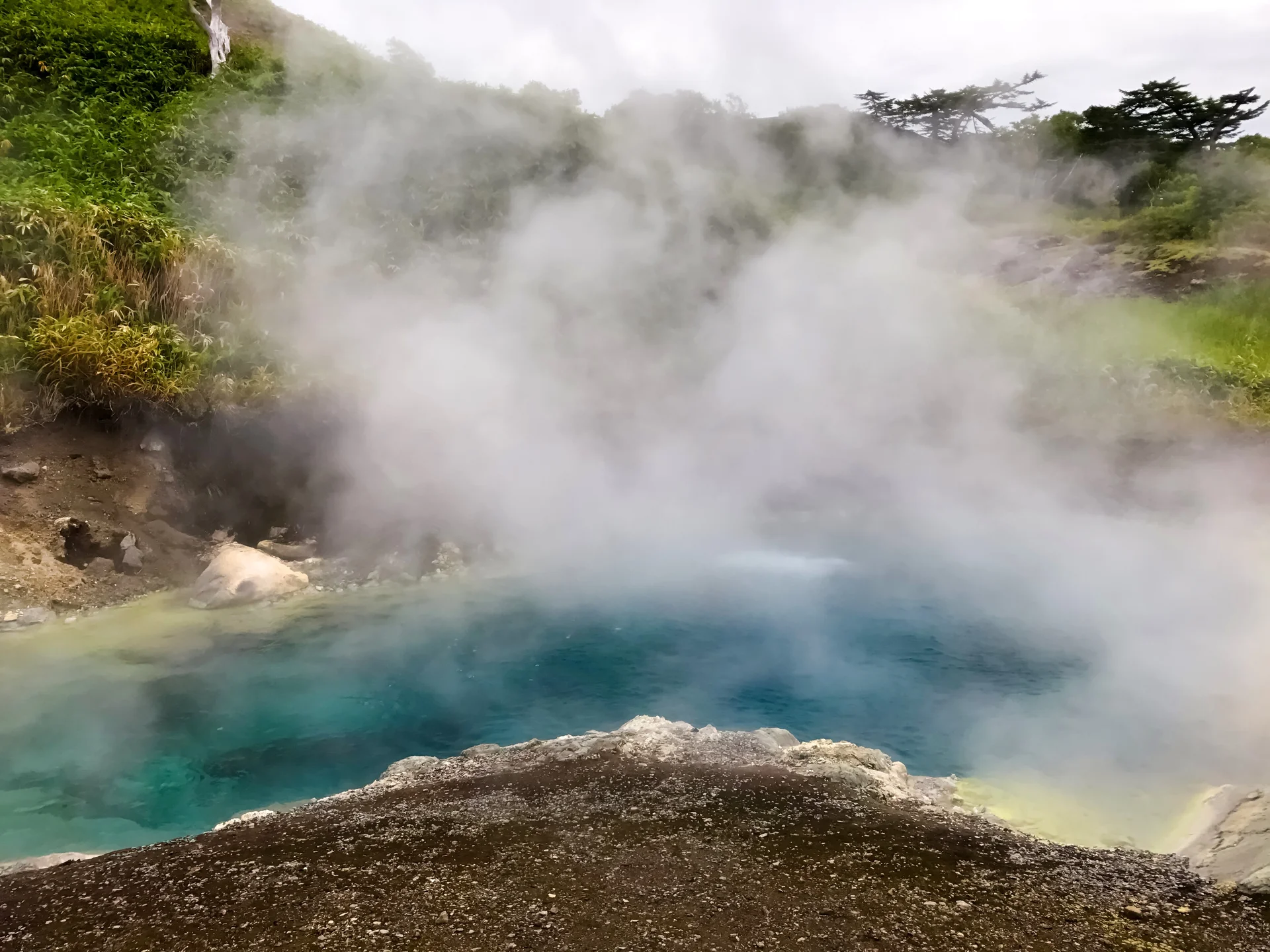
Swimming in natural hot springs
Meeting the Indigenous peoples and their centuries-old craft traditions
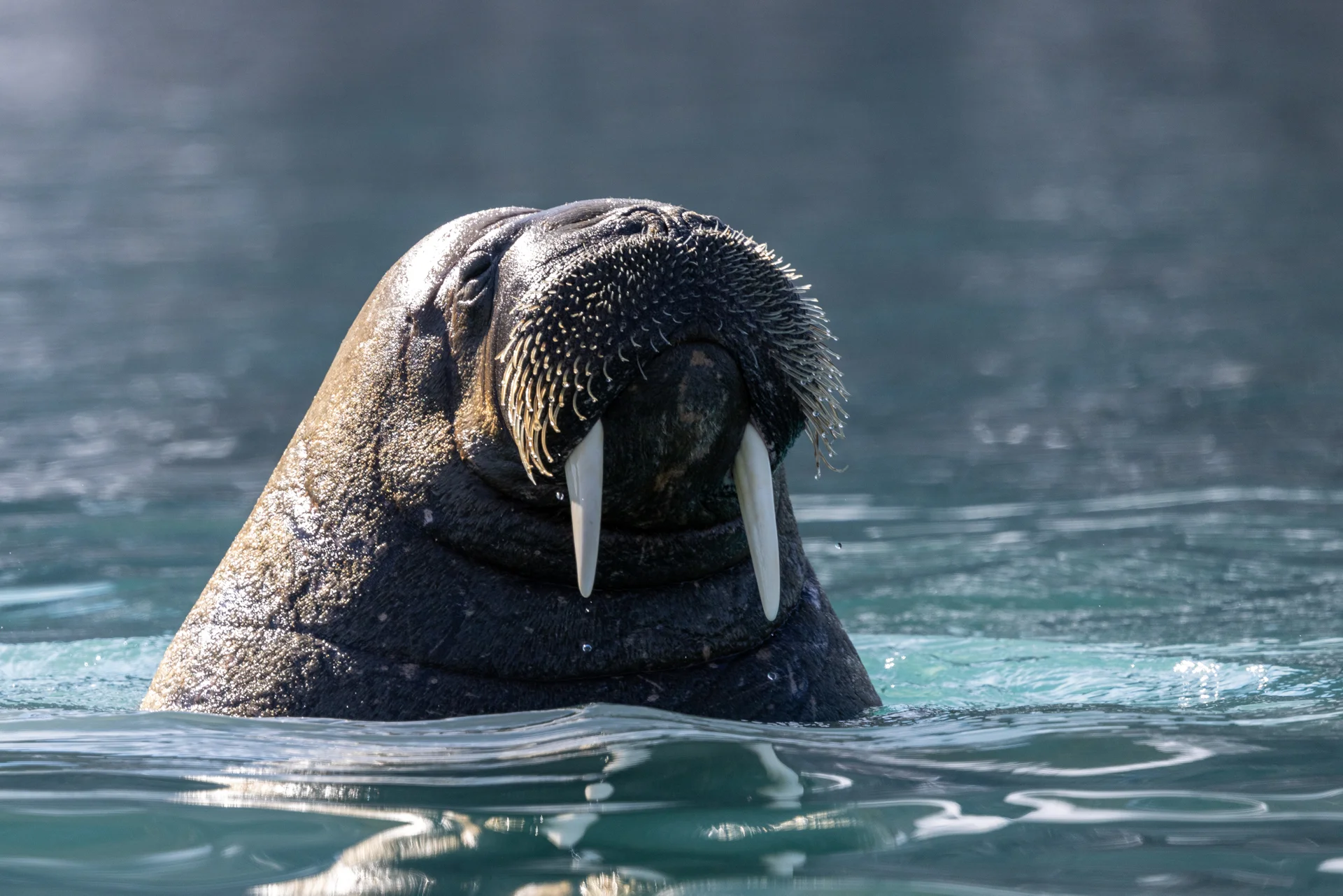
Walrus haul-outs and vast seabird colonies
Anadyr→Wrangel Island→
Herald Island→Anadyr
From
$22,800
per person based on double occupancy
Dates
August 30 – September 11, 2027
Duration
13 days
VesselExpedition vessel
SH Minerva
Chukotka is the northeastern edge of Russia, a place that seems to exist in a different realm: colorful tundra, rugged landscapes, and an extraordinary wealth of untouched wildlife. The expedition route will take you along the shores of the Bering Strait, to forgotten Chukchi settlements and places rarely visited by people.
You will immerse yourself in the world of the Far North: the majestic cliffs of Kolyuchin Island, the ice-filled bays of Wrangel Island, whales in the Senyavin Strait, vast seabird colonies on coastal cliffs and flowering carpets of Arctic tundra in Beringia National Park.
You will have the opportunity to swim in thermal baths in the middle of the tundra at the edge of the world, watch sunsets in wild bays, discover the culture of Indigenous peoples and their centuries-old craft traditions, and be endlessly amazed by the landscapes of Chukotka.
What's included
Accommodation and transfers
- •Transfers: from the airport to the port on embarkation day, from the port to the airport at the end of the cruise (group transfers)
- •Onboard accommodation in your selected stateroom category
- •Port fees for the entire itinerary
Dining and drinks
- •All meals on board and in-suite service 24/7
- •Soft drinks and alcoholic beverages 24/7
- •Service charges on board
Enrichment programme
- •Lecture programmes from expedition team members and guest speakers
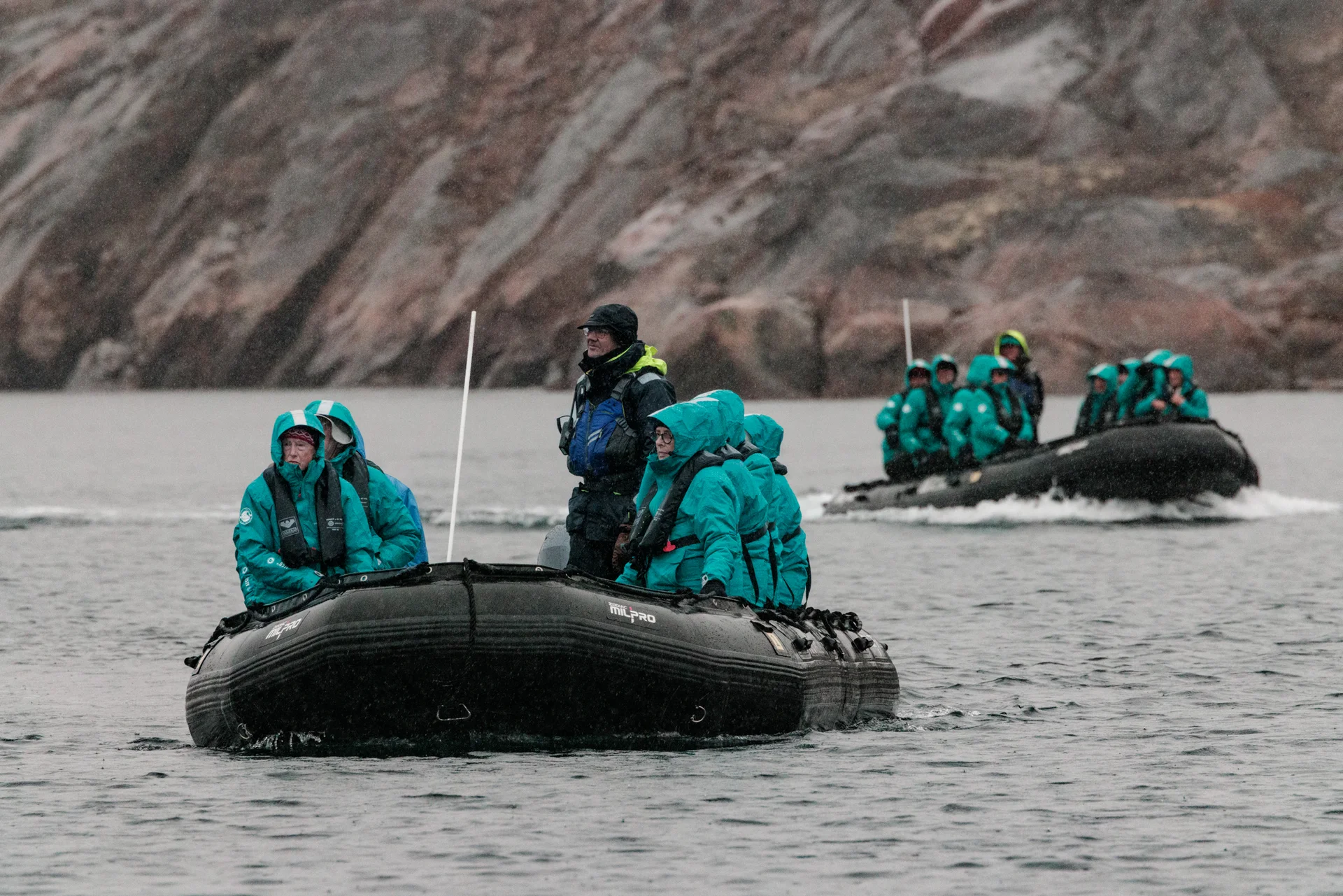
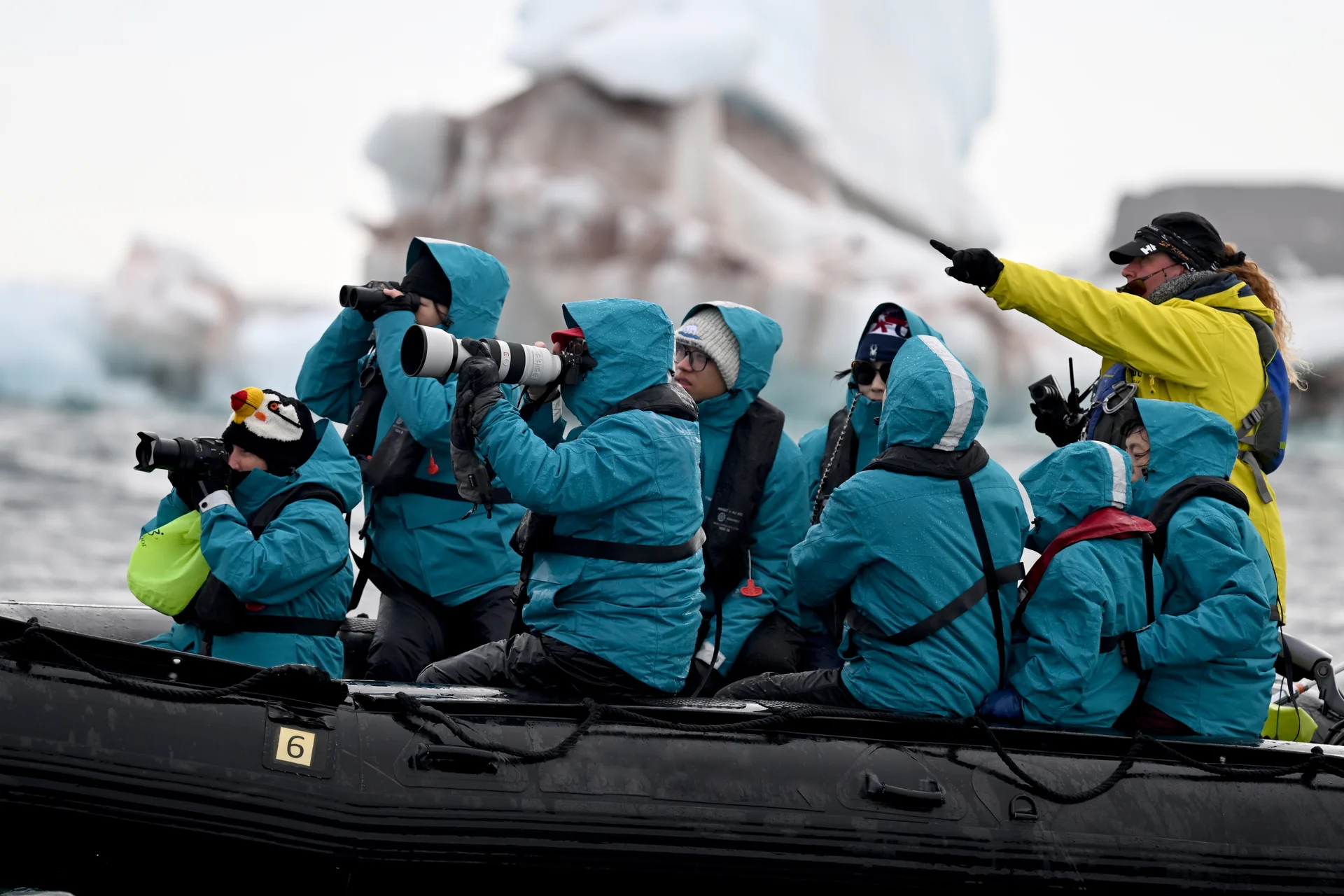
- •All landings by Zodiac and expedition activities led by our experienced expedition team
On board
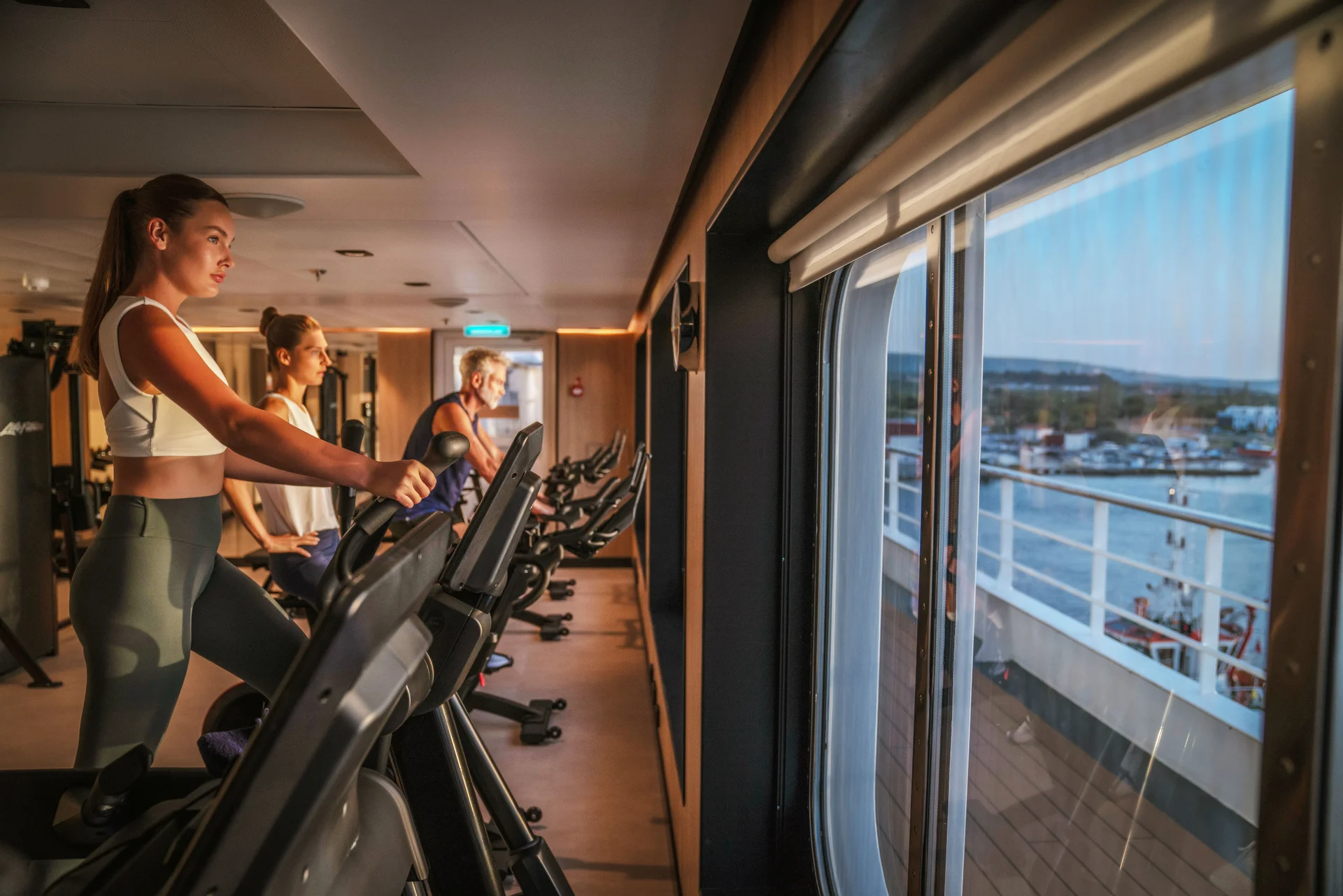
- •Gym, sauna, pool
- •Basic Wi-Fi package
Expedition gear
- •Polar parka
- •Muck boots (for use during expedition)
- •A waterproof backpack for landings
- •A reusable water bottle
Extras
- •Photos and videos from our onboard photographer
Optional services
- •Flights to and from Anadyr
- •Mandatory medical insurance covering emergency evacuation from remote locations
- •Kayaking excursions
- •Premium brand alcoholic beverages
- •Spa services, beauty salon, laundry and shopping on board
What's included
Accommodation and transfers
- •Transfers: from the airport to the port on embarkation day, from the port to the airport at the end of the cruise (group transfers)
- •Onboard accommodation in your selected stateroom category
- •Port fees for the entire itinerary
Dining and drinks
- •All meals on board and in-suite service 24/7
- •Soft drinks and alcoholic beverages 24/7
- •Service charges on board
Enrichment programme
- •Lecture programmes from expedition team members and guest speakers
- •All landings by Zodiac and expedition activities led by our experienced expedition team
On board
- •Gym, sauna, pool
- •Basic Wi-Fi package
Expedition gear
- •Polar parka
- •Muck boots (for use during expedition)
- •A waterproof backpack for landings
- •A reusable water bottle
Extras
- •Photos and videos from our onboard photographer
Optional services
- •Flights to and from Anadyr
- •Mandatory medical insurance covering emergency evacuation from remote locations
- •Kayaking excursions
- •Premium brand alcoholic beverages
- •Spa services, beauty salon, laundry and shopping on board
Reservations for this voyage close 30 days prior to departure.
Secure your stateroom by
19 July 2027
Reservations for this voyage close 30 days prior to departure.
Secure your stateroom by
19 July 2027
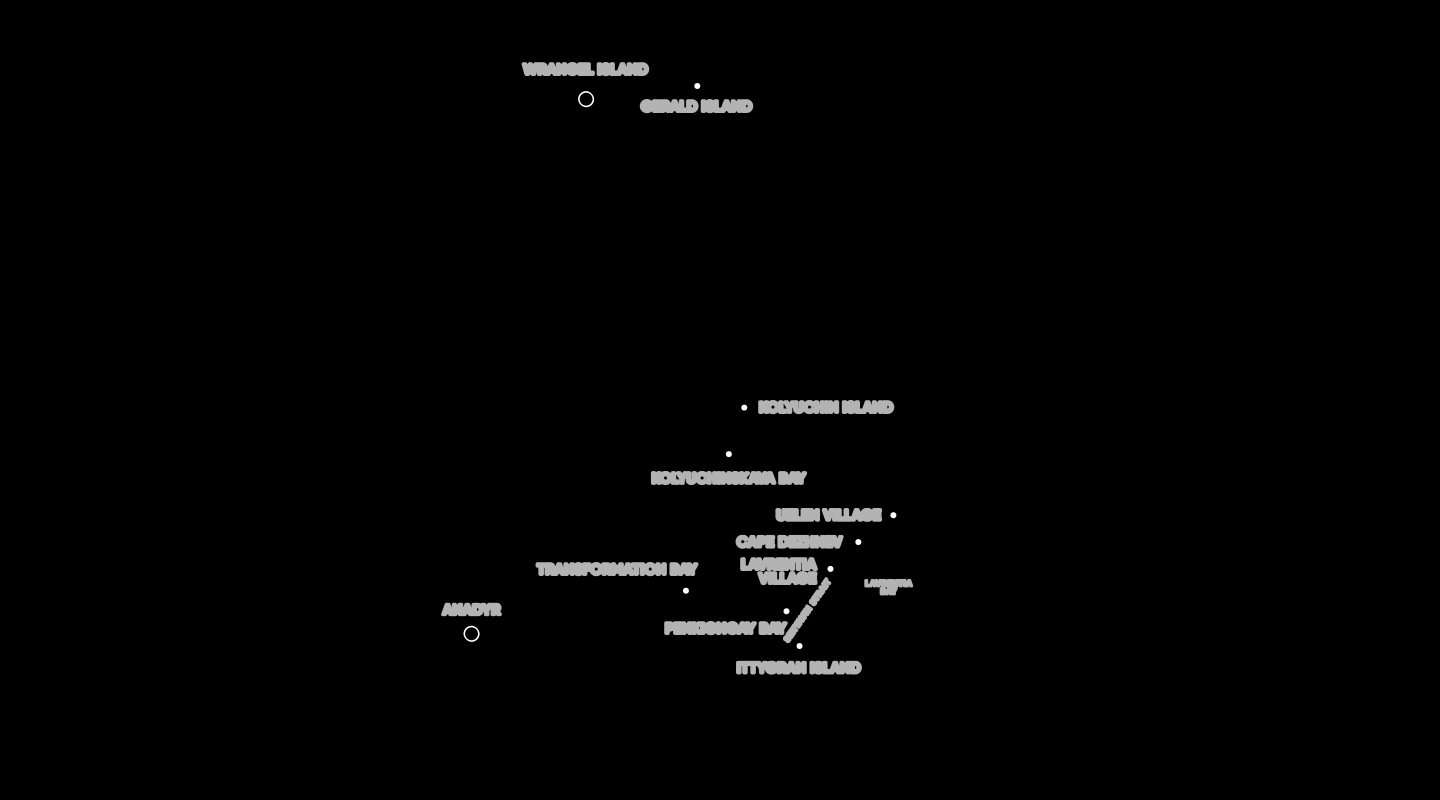
Map
The expedition's great discoveries
Ahead of you: polar bears, walruses, and whales, landings on the remote shores of Chukotka, walks across the tundra, and an introduction to the culture of the Indigenous peoples.
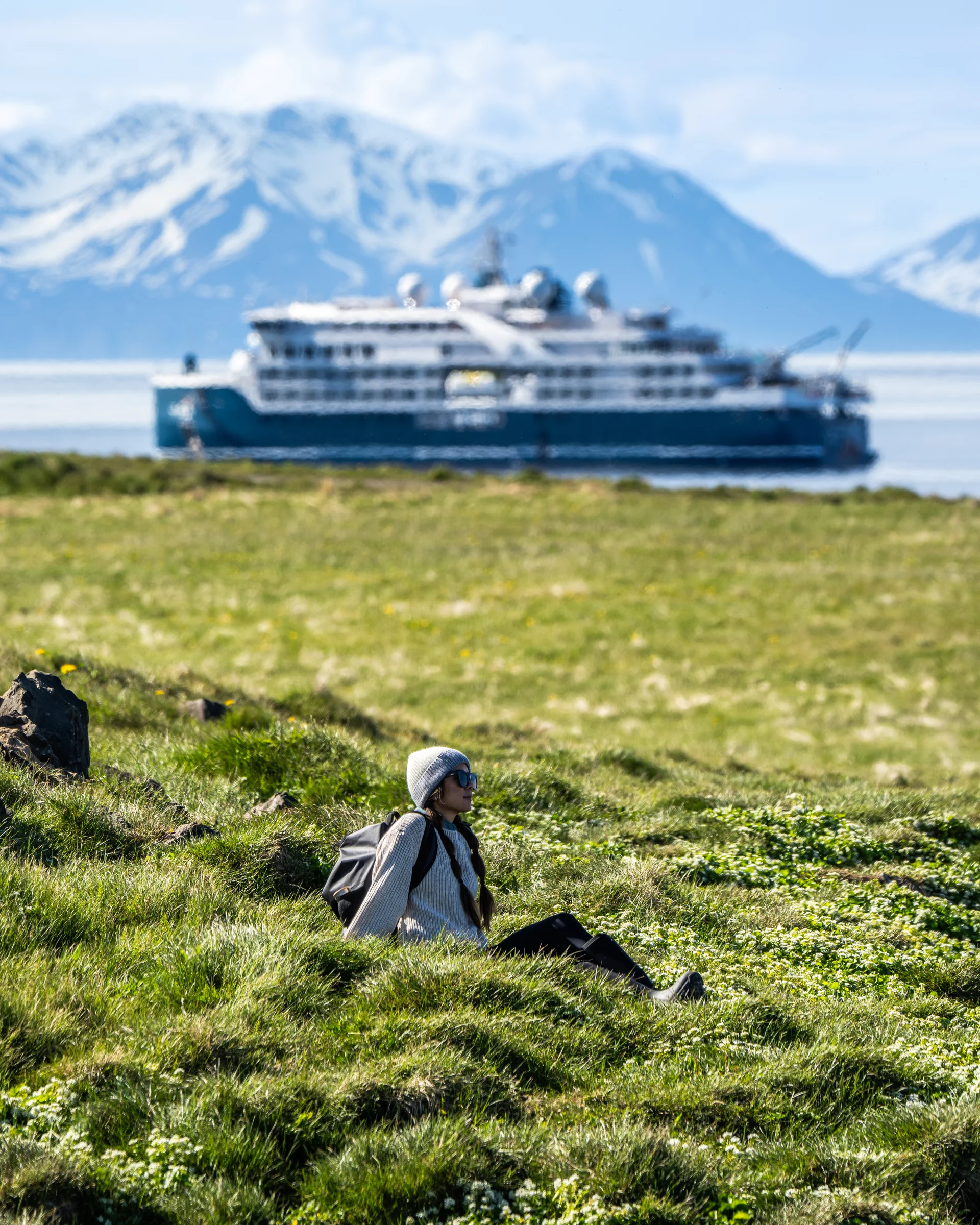
Preobrazheniya Bay
High cliffs with thousands of seabirds and scenery that shifts before your eyes — from blue shingle beaches to jagged rock ridges. One of the most atmospheric spots of the Chukotka coast.
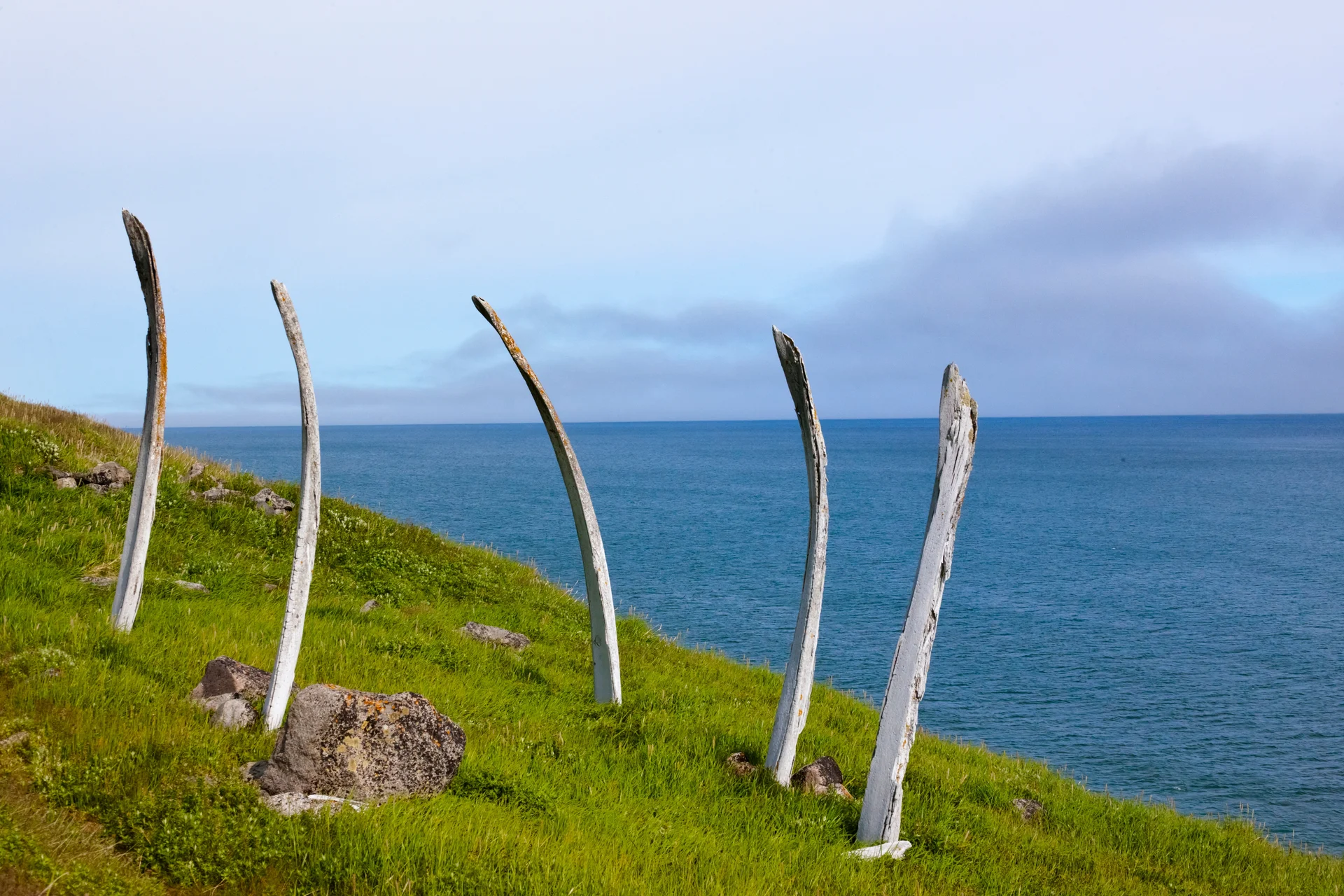
The Whale Bone Alley of Itygran
A remarkable monument of ancient Indigenous culture: a half-kilometer line of bowhead whale skulls and ribs set upright along the shore. A sacred site, where ritual ceremonies were once performed.
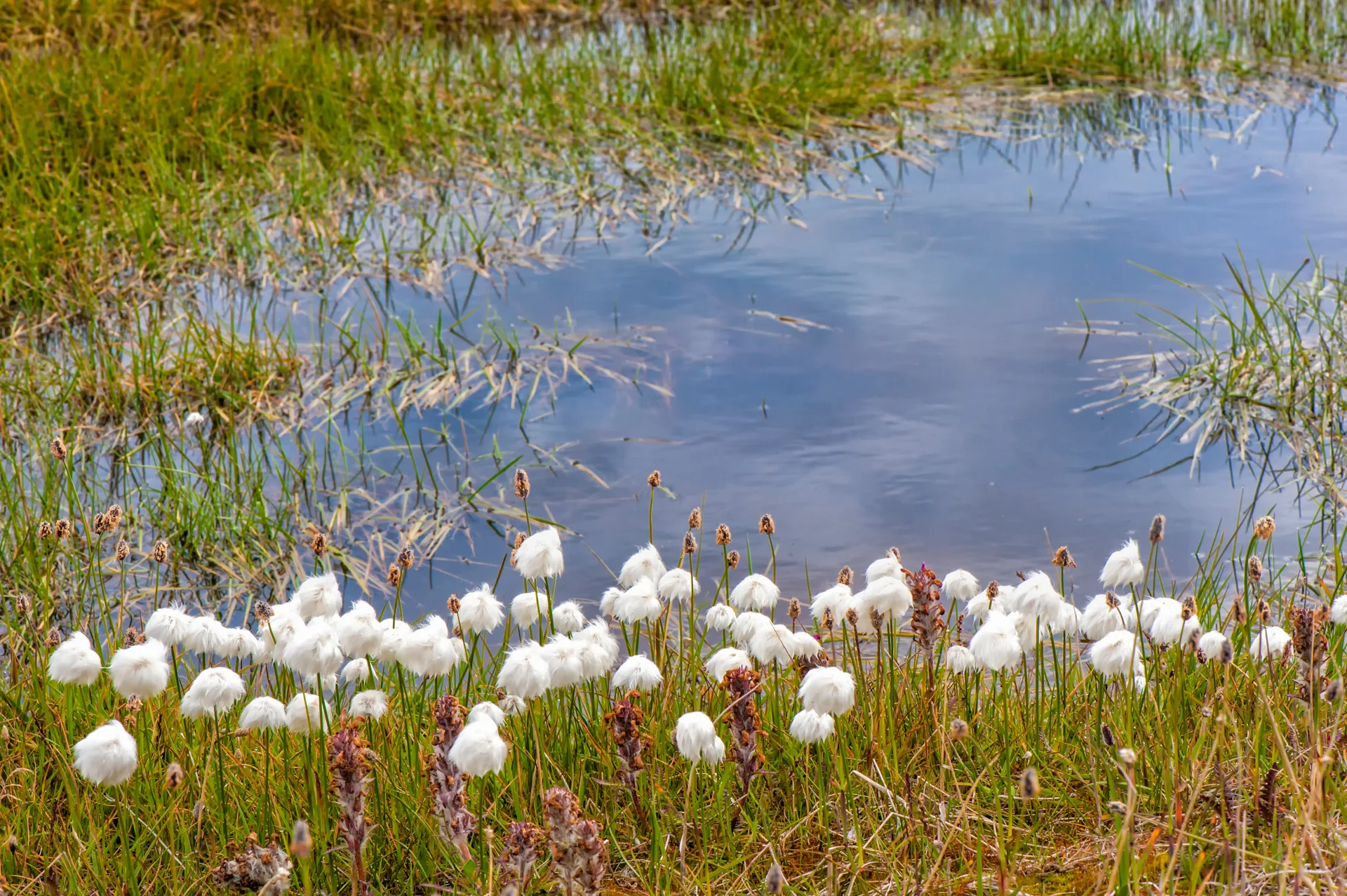
The Senyavin Hot Springs
The contrast of icy summits and hot springs with water temperatures of 40–80 °C (104–176 °F) is one of the most memorable moments of the expedition.
The expedition's great discoveries
Ahead of you: polar bears, walruses, and whales, landings on the remote shores of Chukotka, walks across the tundra, and an introduction to the culture of the Indigenous peoples.
Preobrazheniya Bay
High cliffs with thousands of seabirds and scenery that shifts before your eyes — from blue shingle beaches to jagged rock ridges. One of the most atmospheric spots of the Chukotka coast.
The Whale Bone Alley of Itygran
A remarkable monument of ancient Indigenous culture: a half-kilometer line of bowhead whale skulls and ribs set upright along the shore. A sacred site, where ritual ceremonies were once performed.
The Senyavin Hot Springs
The contrast of icy summits and hot springs with water temperatures of 40–80 °C (104–176 °F) is one of the most memorable moments of the expedition.
Chukotka and Wrangel Island: In the Land of the Polar Bear
Thirteen days among Arctic landscapes: Preobrazheniya Bay, the Whale Bone Alley of Itygran, Cape Dezhnev, the mist-wrapped cliffs of Kolyuchin, the polar bears of Wrangel Island, the walrus haul-outs of Herald Island, trekking in Penkigney Bay and hot springs at the edge of the world.
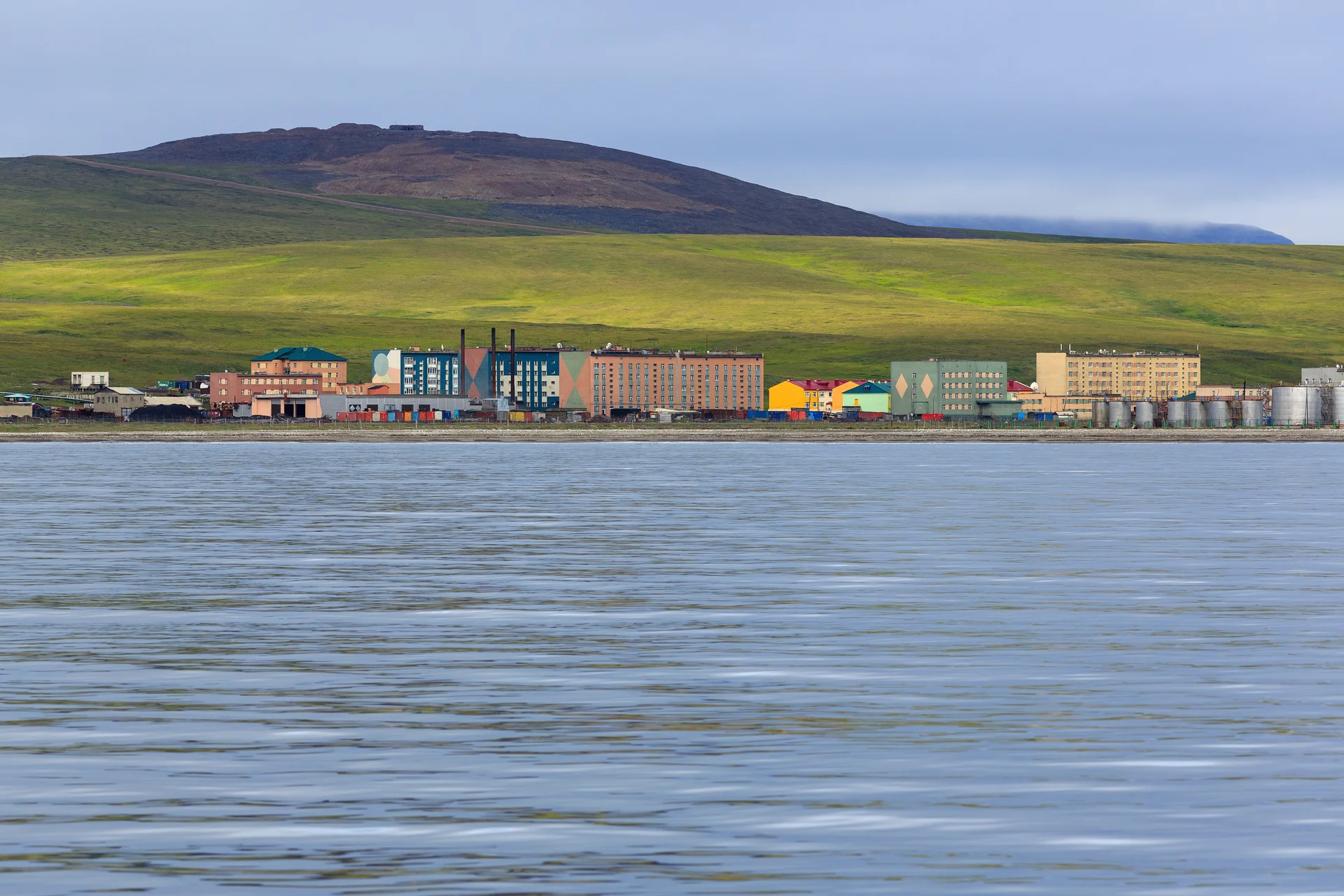
Anadyr
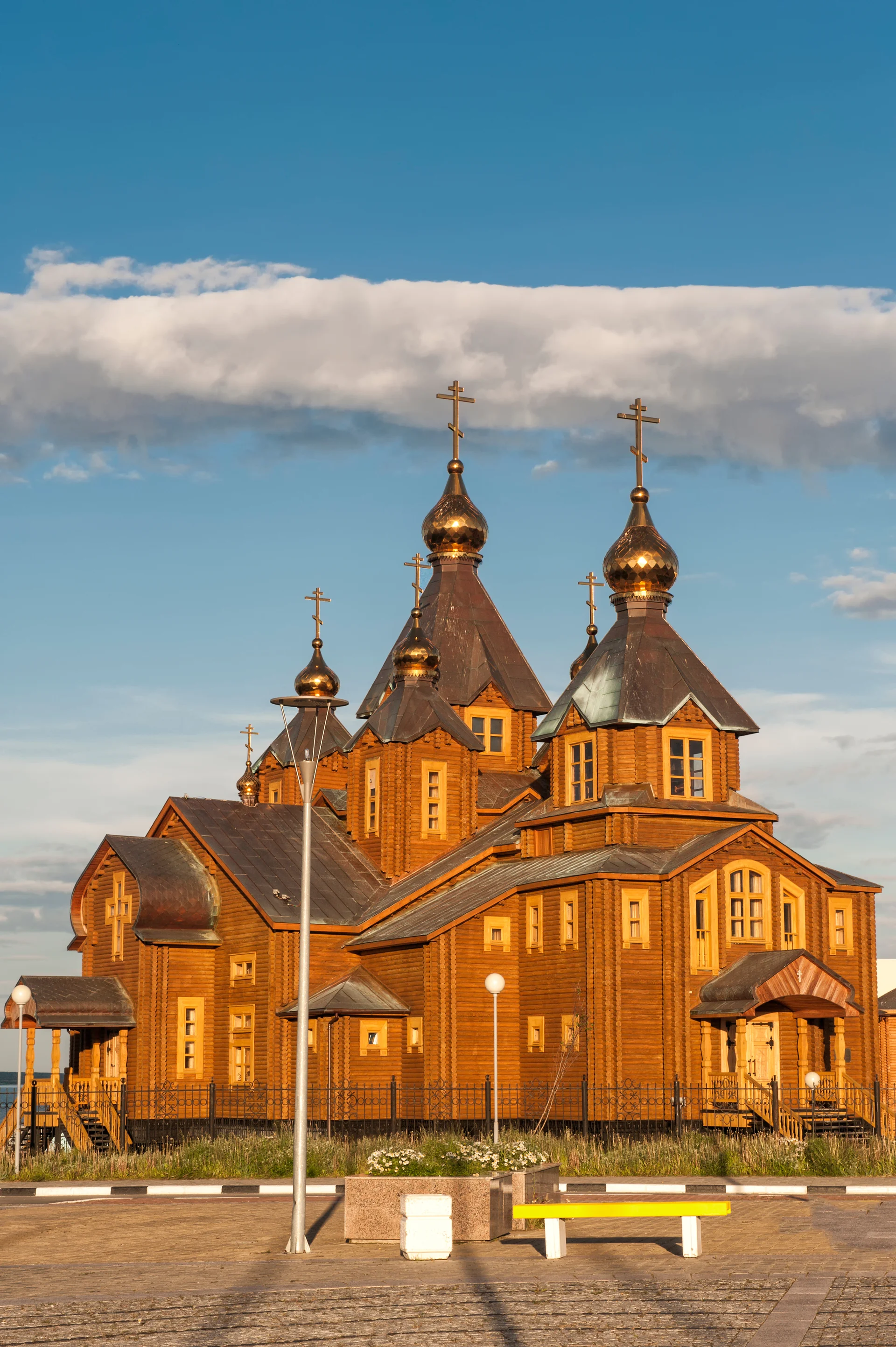
Today, Anadyr is a quintessential model of an Arctic city. Almost all the buildings are painted in bright colors, and some feature mosaic elements. Here you will find the largest wooden Orthodox church built on permafrost, the world's largest statue of Saint Nicholas the Wonderworker, the high-tech Heritage of Chukotka Museum Center — whose shape resembles the silhouette of a polar bear — and the post office, where you can send a postcard from the easternmost city in the country.
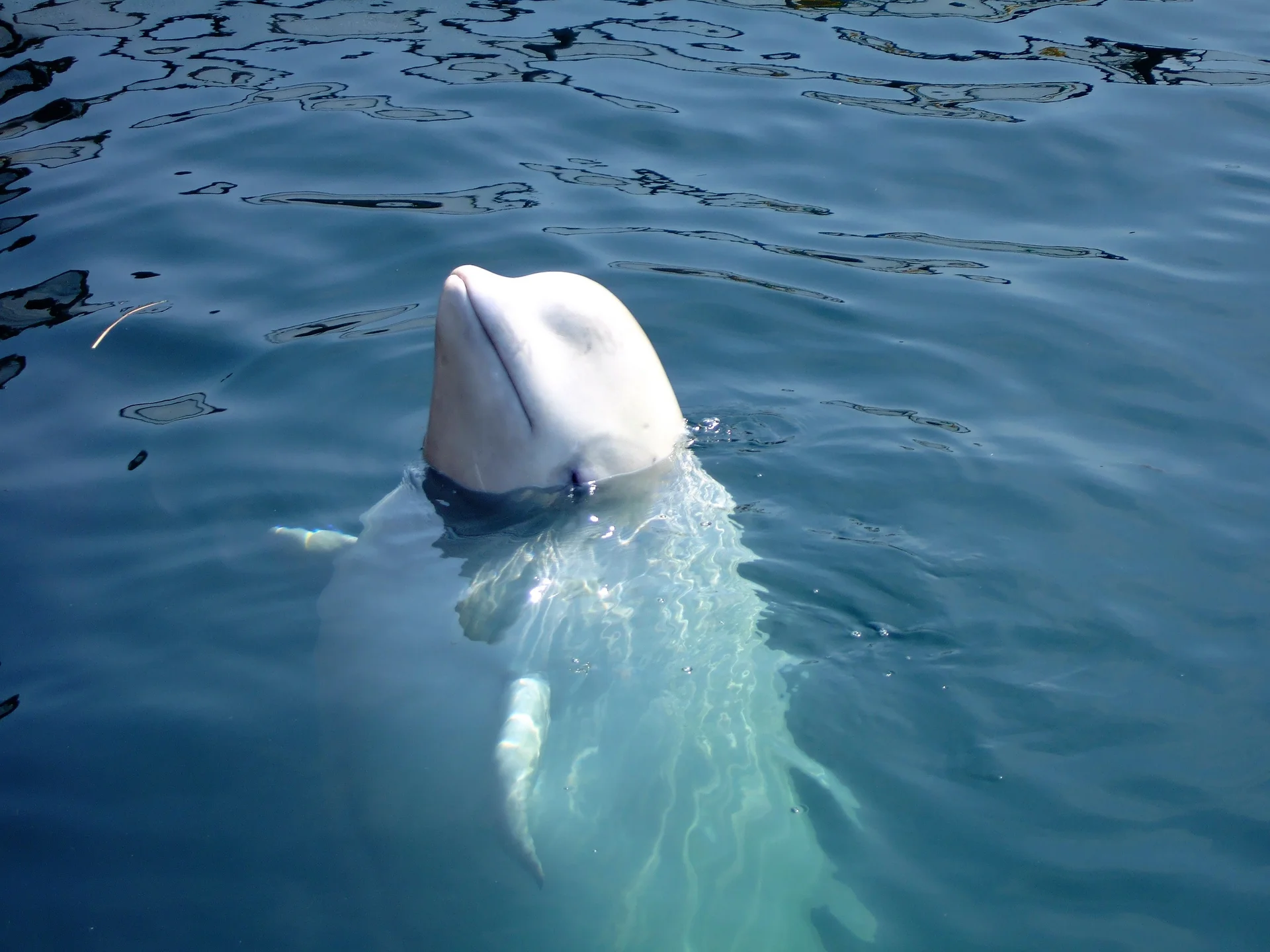
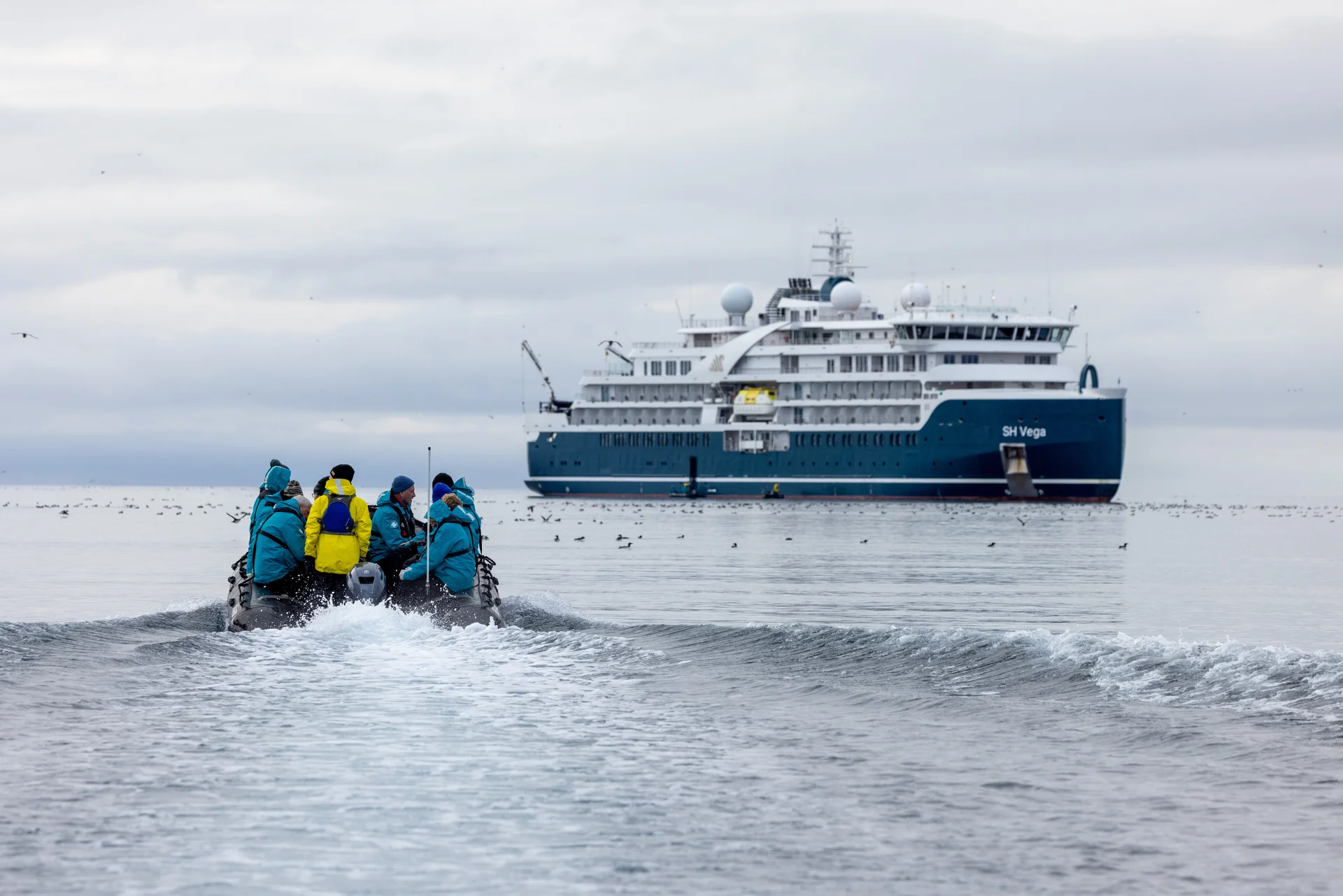
You embark SH Minerva at the seaport of Anadyr after noon. Your first encounter with wildlife may occur even before the ship leaves the port: hundreds of beluga whales and their calves enter the estuary. Before departure, an announcement will invite you to the upper deck for panoramic photographs of the estuary.
Activities
Preobrazheniya Bay
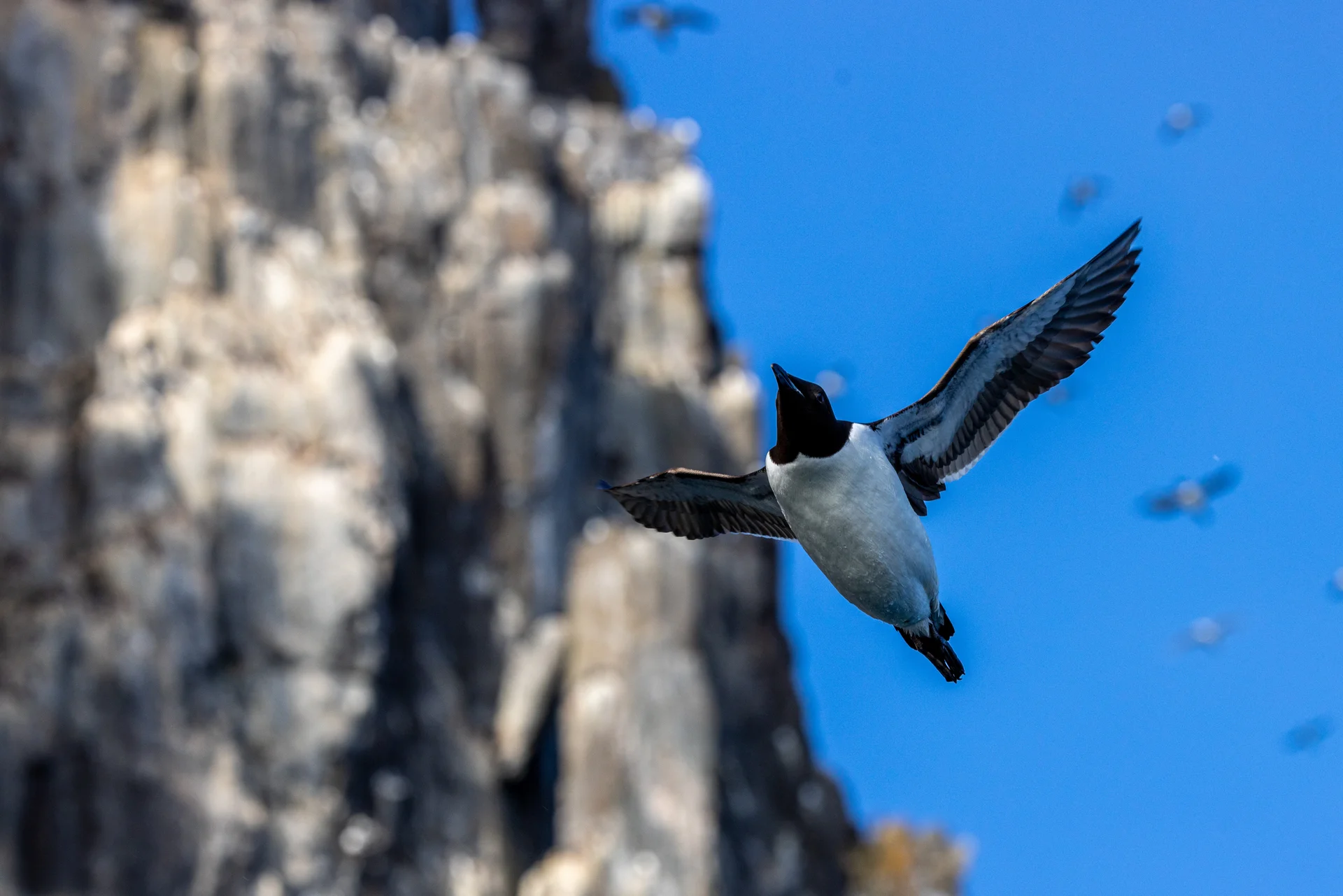
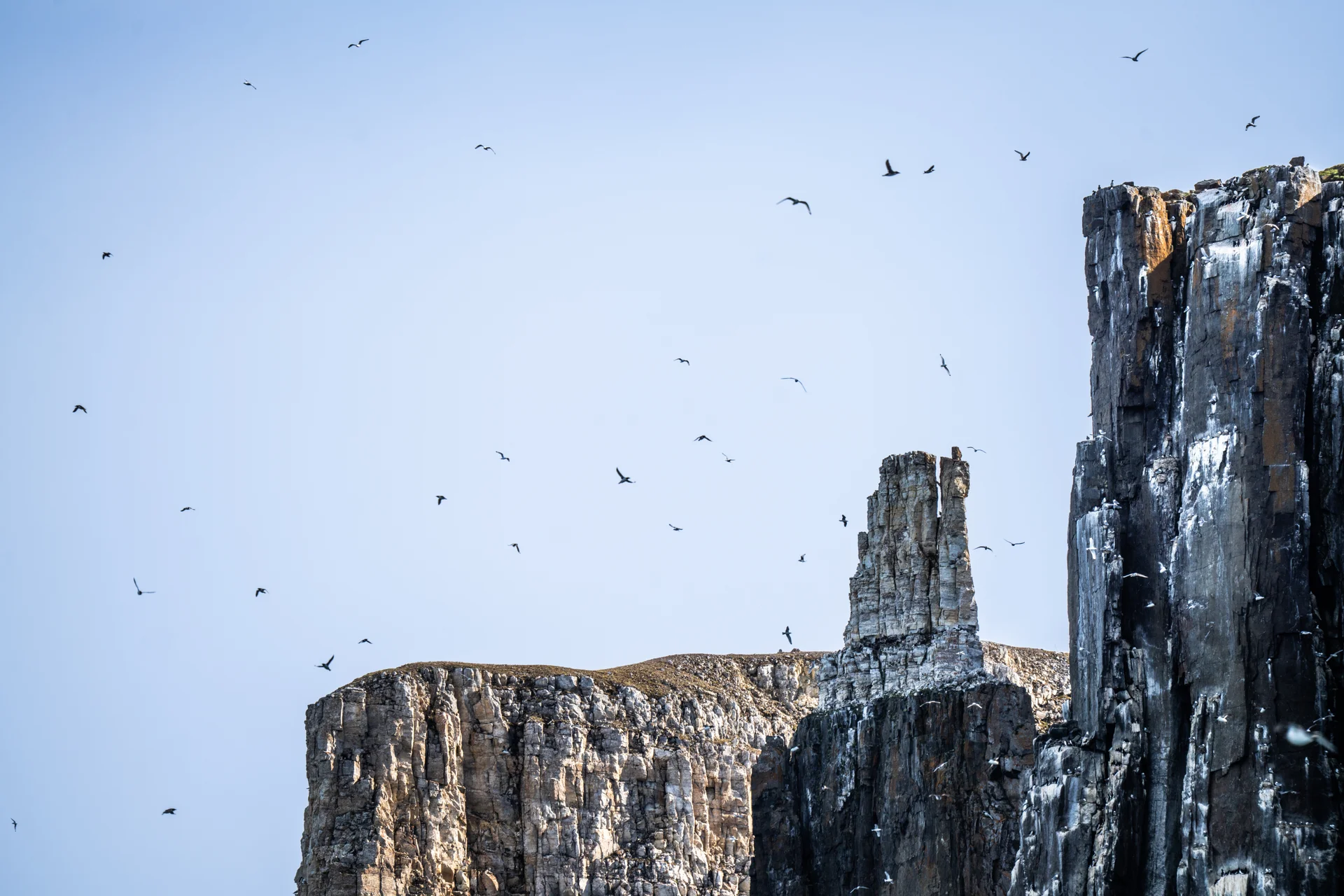
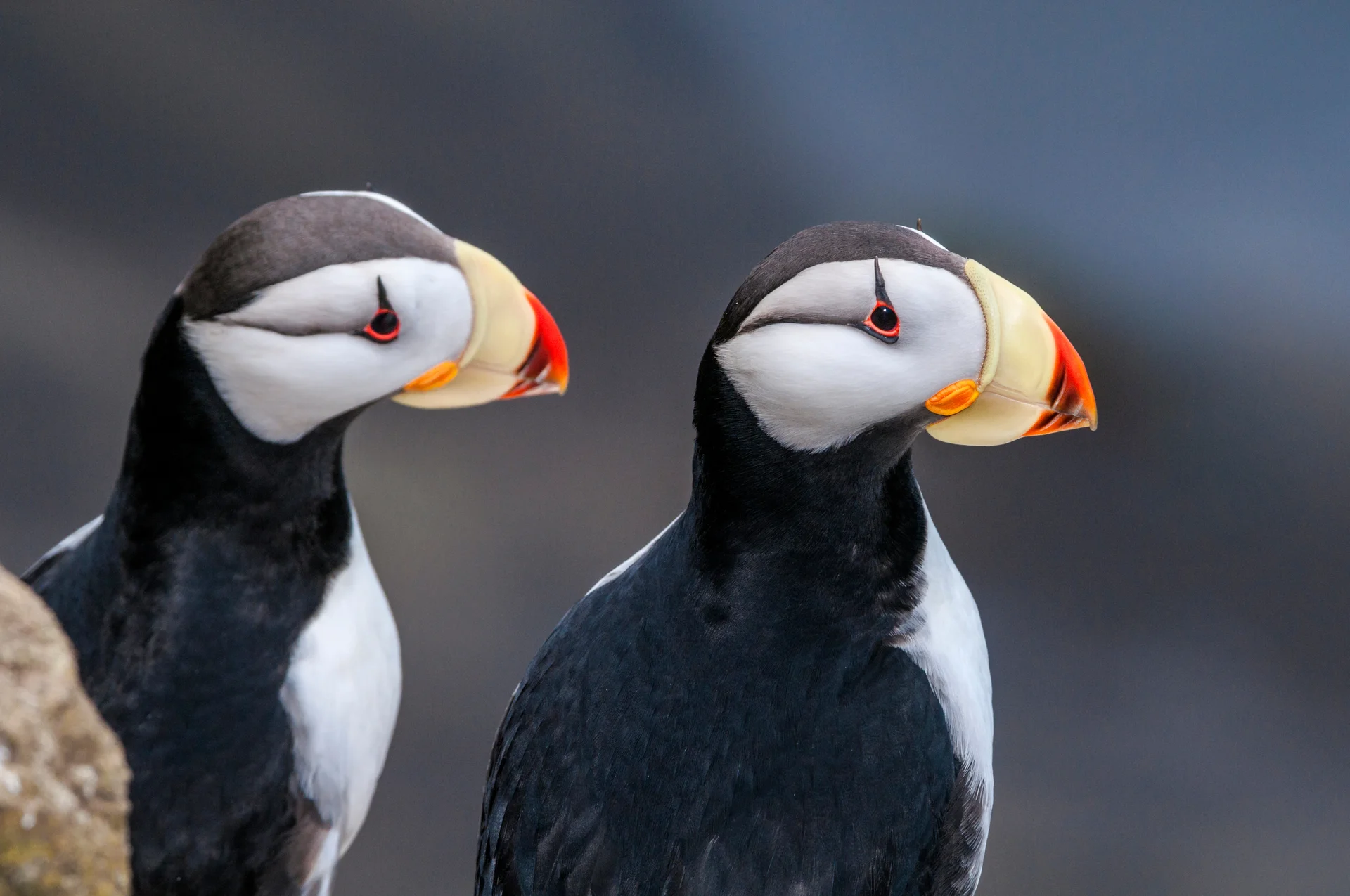
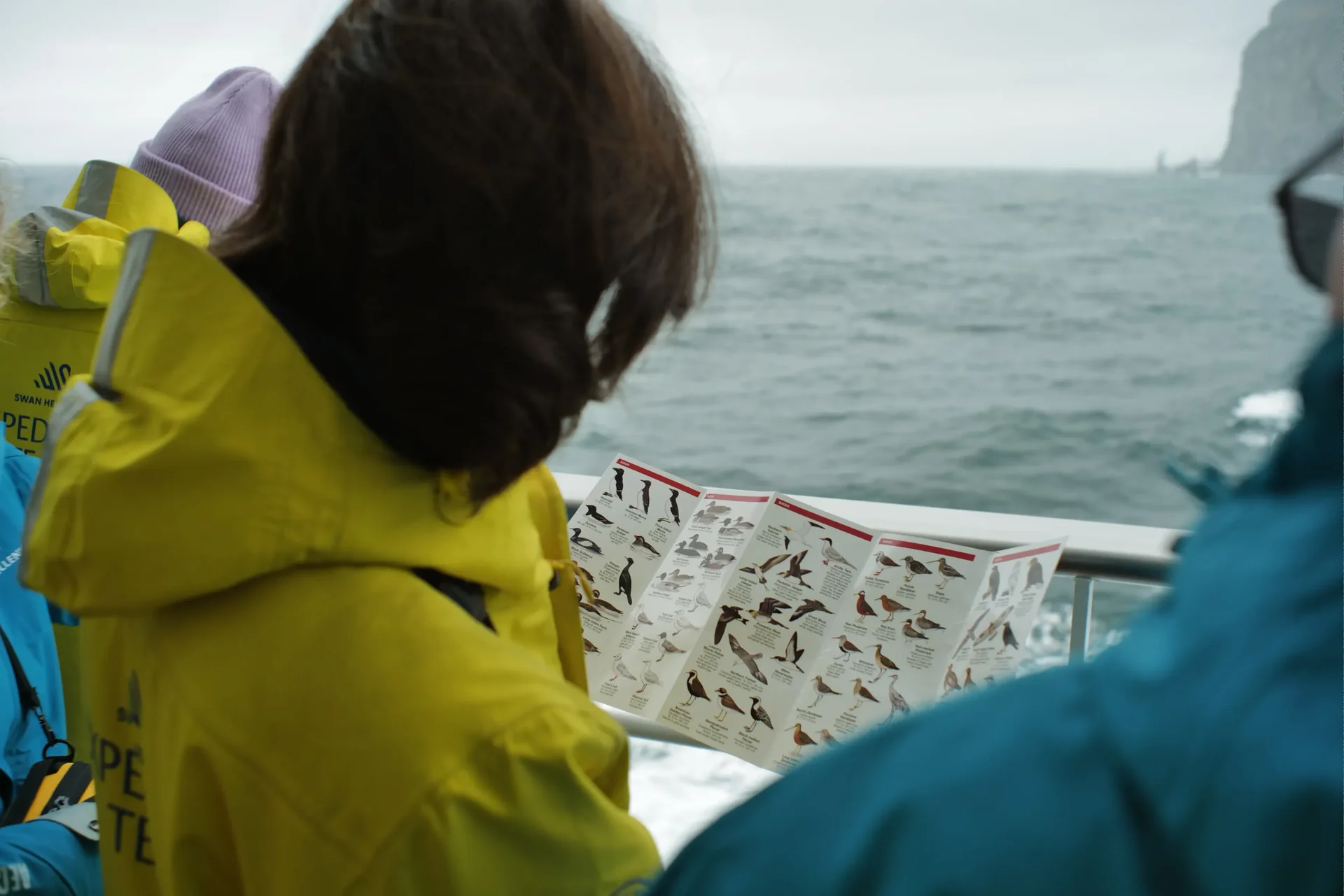
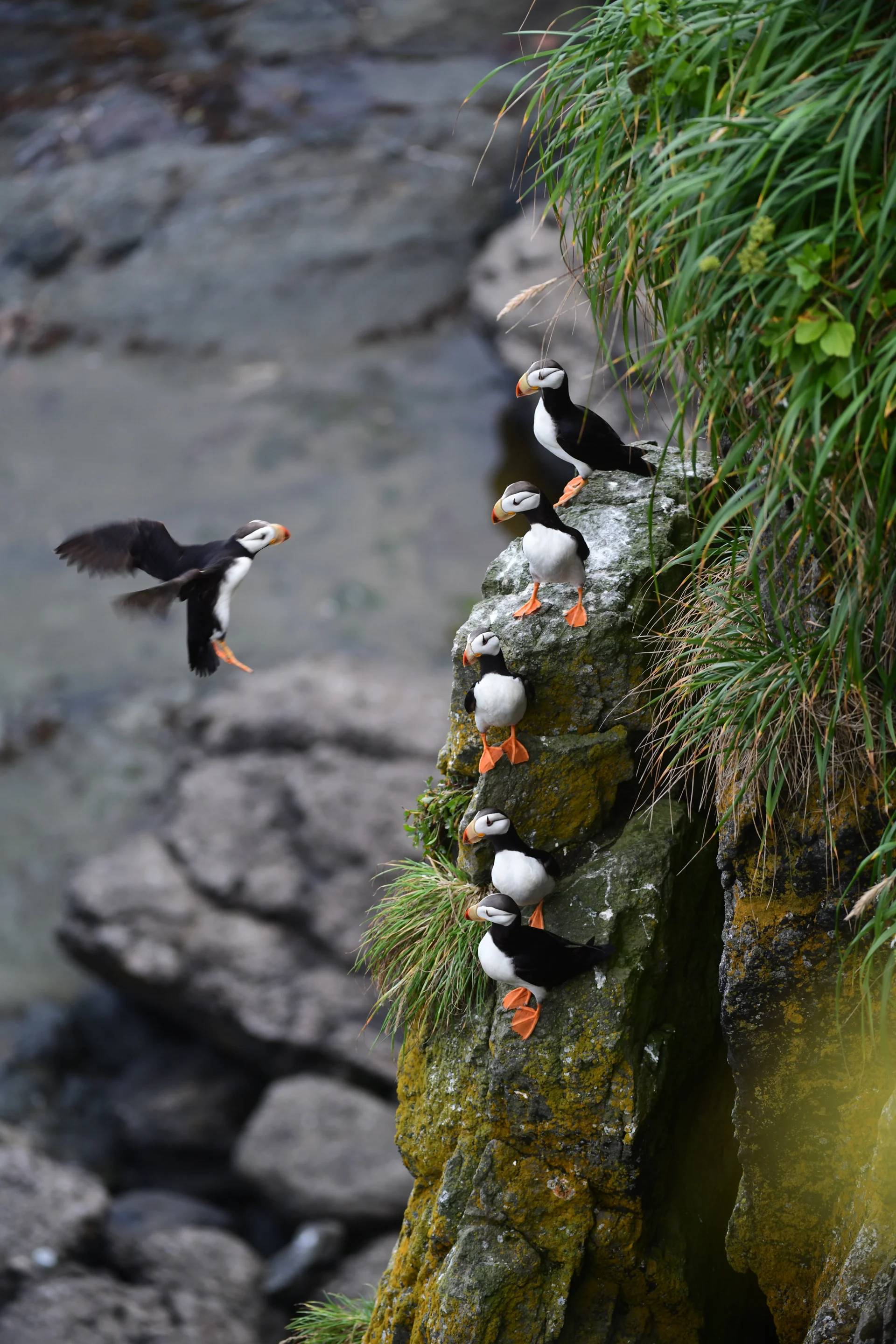
Preobrazheniya Bay lies on the southern Chukotka coast. Flanked on one side by steep, unusually shaped cliffs, the bay is home to vast seabird colonies — colorful puffins, horned puffins and tufted puffins, murres, glaucous gulls, kittiwakes and many others.
Birdwatching here is a great pleasure, and Preobrazheniya Bay is usually one of the best places for bright photographs of birds against the backdrop of dramatic rocky cliffs.
Activities
Itygran Island, Senyavin Strait
A remote Siberian island in the Senyavin Strait and Gylmymyl Lagoon, Itygran is famous for the Whale Bone Alley located here. This monument of the ancient Eskimo culture in Siklyuk Bay was discovered in 1977 and is the island's main attraction. Along 500 meters of coastline stand structures made from enormous whale bones and skulls embedded in the ground.
The island is believed to have had a purely ritual significance, as no signs of human habitation were found there. It is a truly rare opportunity to connect with the heritage of the ancient peoples of the Arctic. Orcas, belugas, gray whales and bowhead whales are often seen in the coastal waters around the island.
Activities
Cape Dezhnev and Uelen Village
Cape Dezhnev is the easternmost point of Eurasia and separates the Chukchi Sea from the Bering Sea. The enormous cliffs rising above the sea create a breathtaking impression. The cape is named after the Russian explorer Semyon Dezhnev, the first European to reach these shores in 1648. During the landing you can visit the Dezhnev Monument in the abandoned Eskimo settlement of Naukan. In clear weather the Diomede Islands can be seen from the shore — local people call them "Yesterday" and "Tomorrow", as the International Date Line runs between them.
In the Chukchi village of Uelen, guests receive a warm welcome from local residents in traditional clothing. The programme includes a tour of the village, a tasting of traditional dishes and a performance by a local Chukchi-Eskimo ensemble. Of particular interest is the bone-carving museum, where you can learn about one of Chukotka's best-known crafts and purchase handmade souvenirs.
Activities
Kolyuchin Island
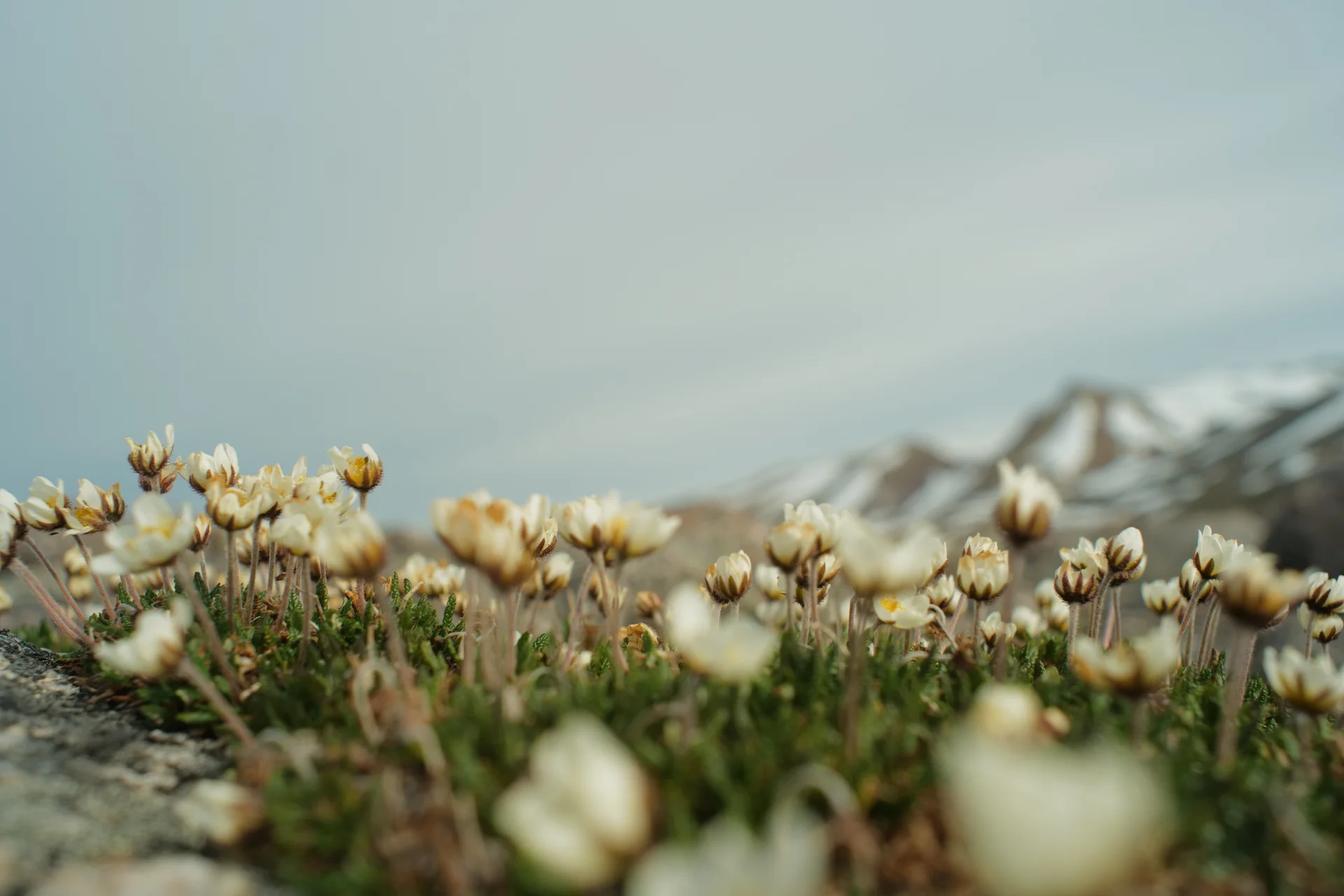
At the entrance to Kolyuchin Bay from the Chukchi Sea rises a granite cliff 200 meters high. Harsh winds and time have transformed it into a plateau covered with tundra, boulders and cliffs up to 100 meters high. A polar station once operated here; today the island is a wildlife kingdom. The cliffs are home to noisy colonies of tufted puffins, murres and gulls, while lucky visitors may encounter walrus haul-outs at the southern end of the island.
The island also holds a place in the history of great expeditions: it was near the shores of Kolyuchin that the Vega became trapped in the ice for nine months in 1878–79. During the summer season whales can be observed around the island, and on a walk through the tundra you may see rare mosses and flowers and perhaps even encounter Arctic ground squirrels.
Activities
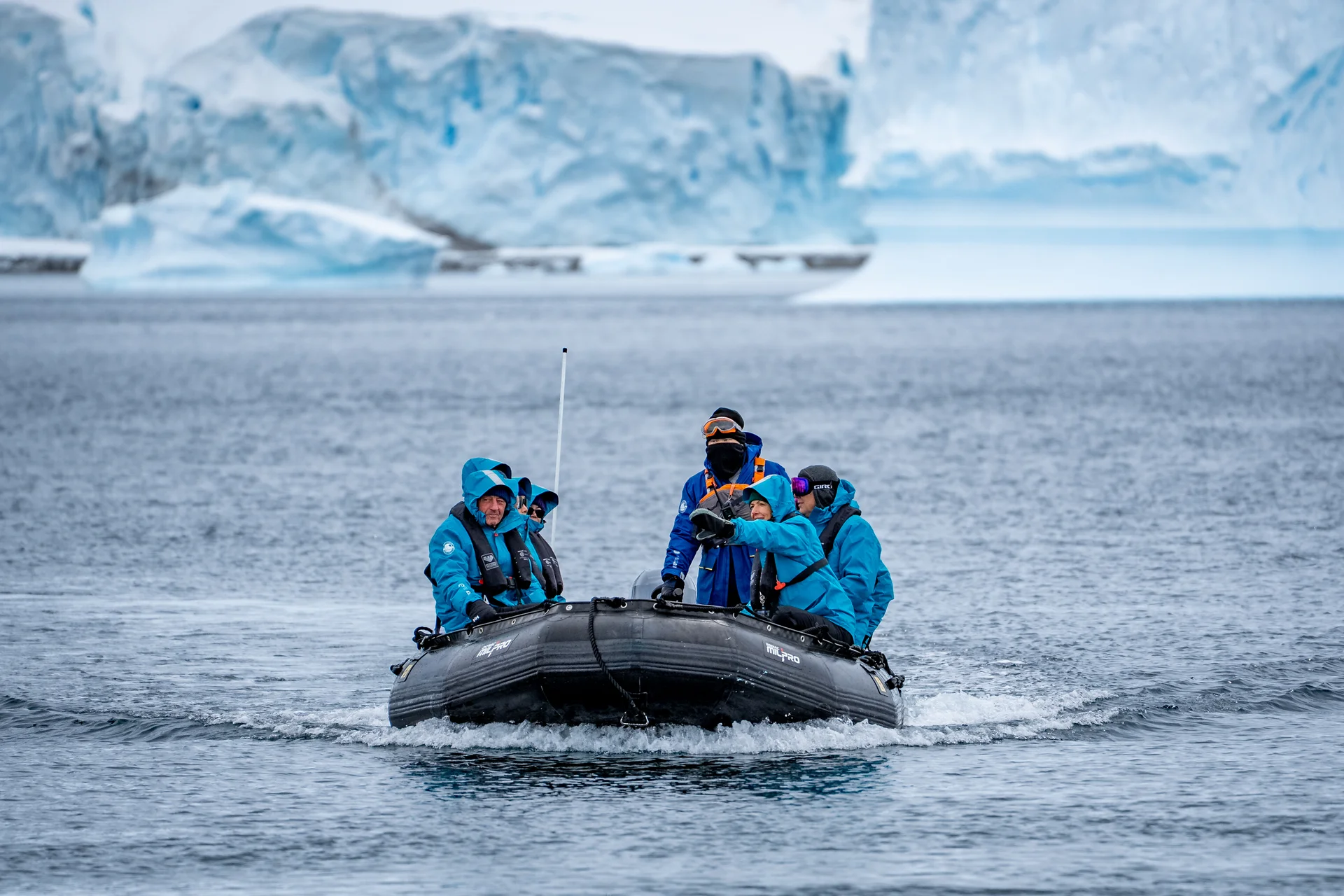
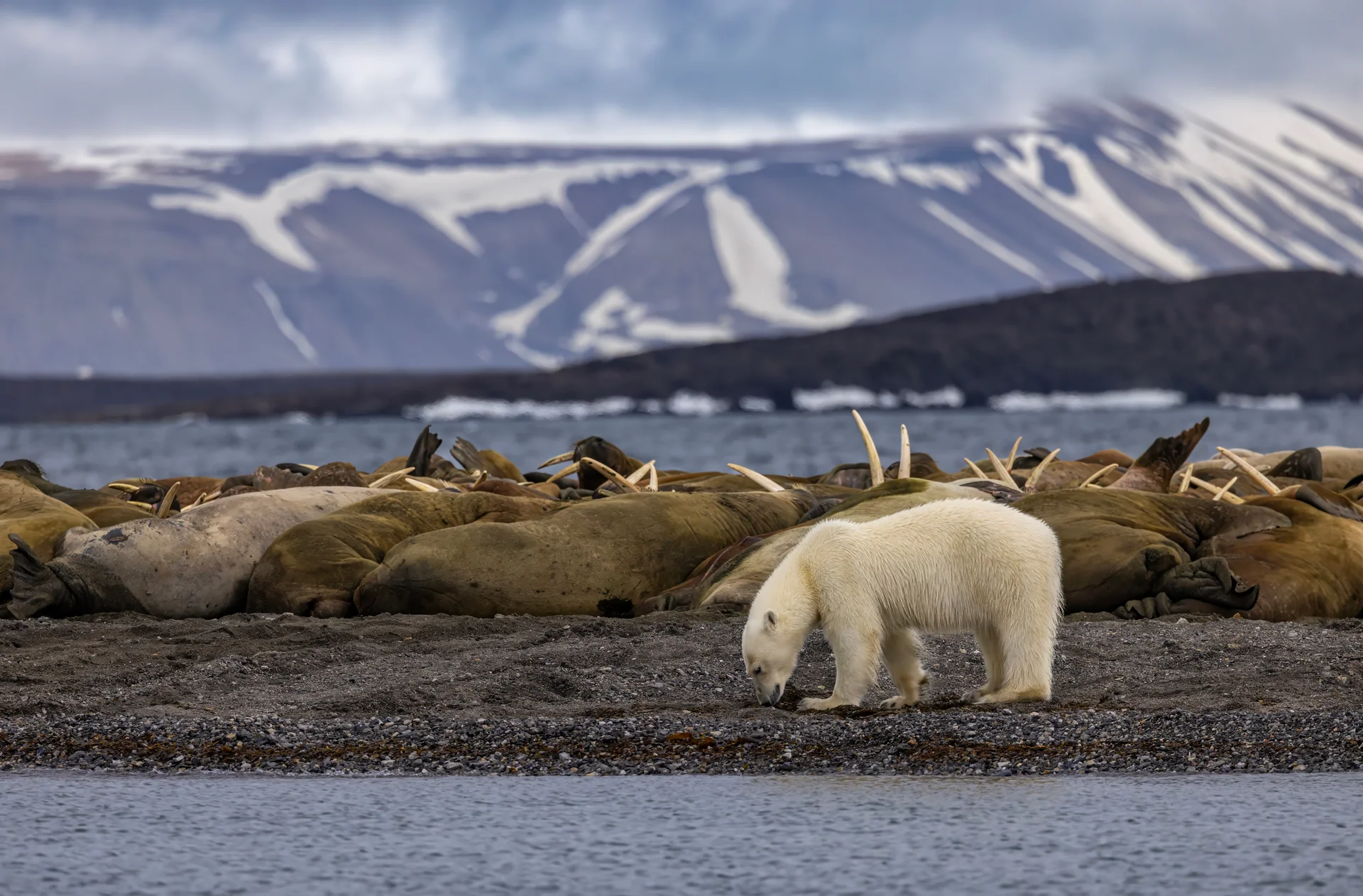
Exploring Wrangel Island
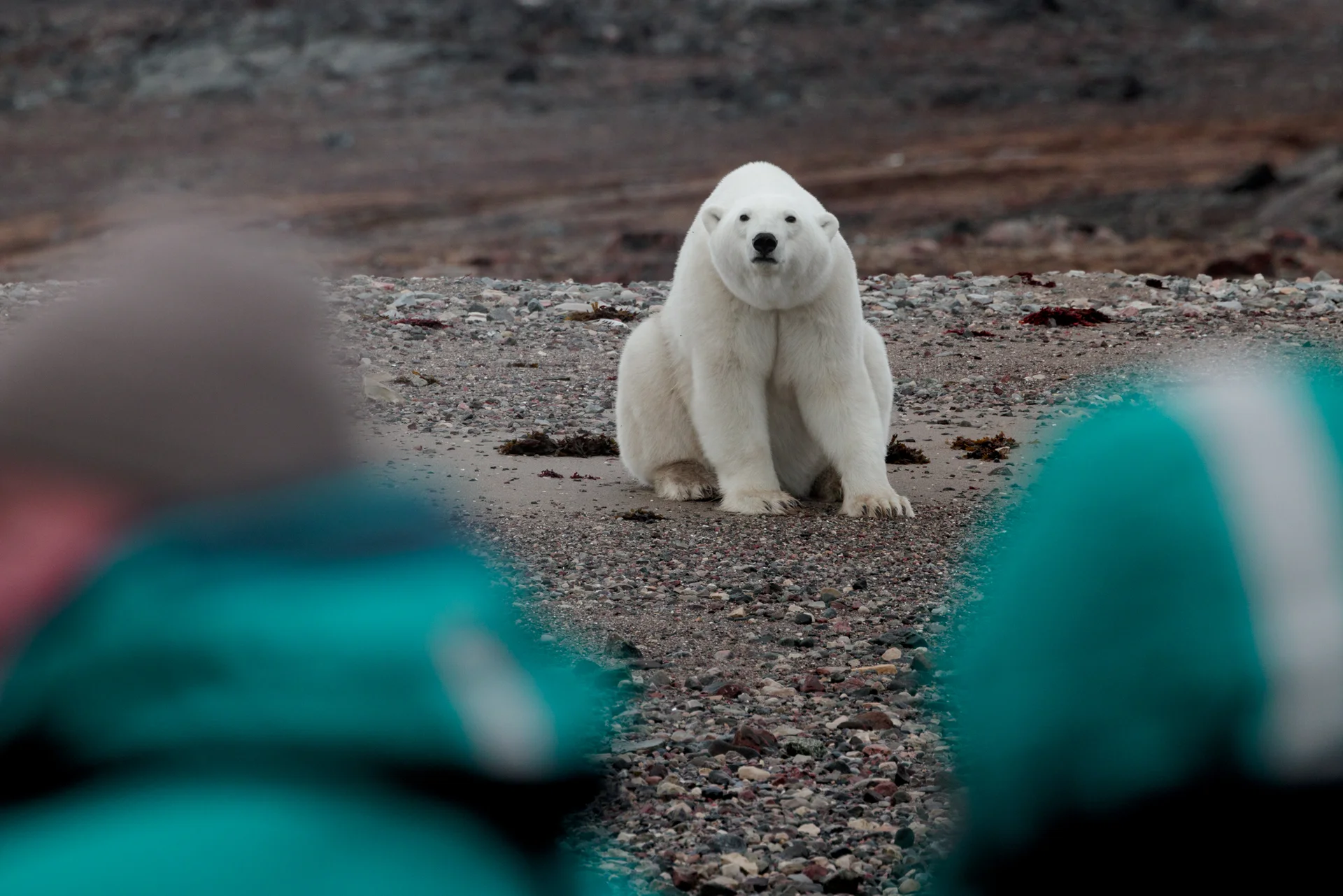
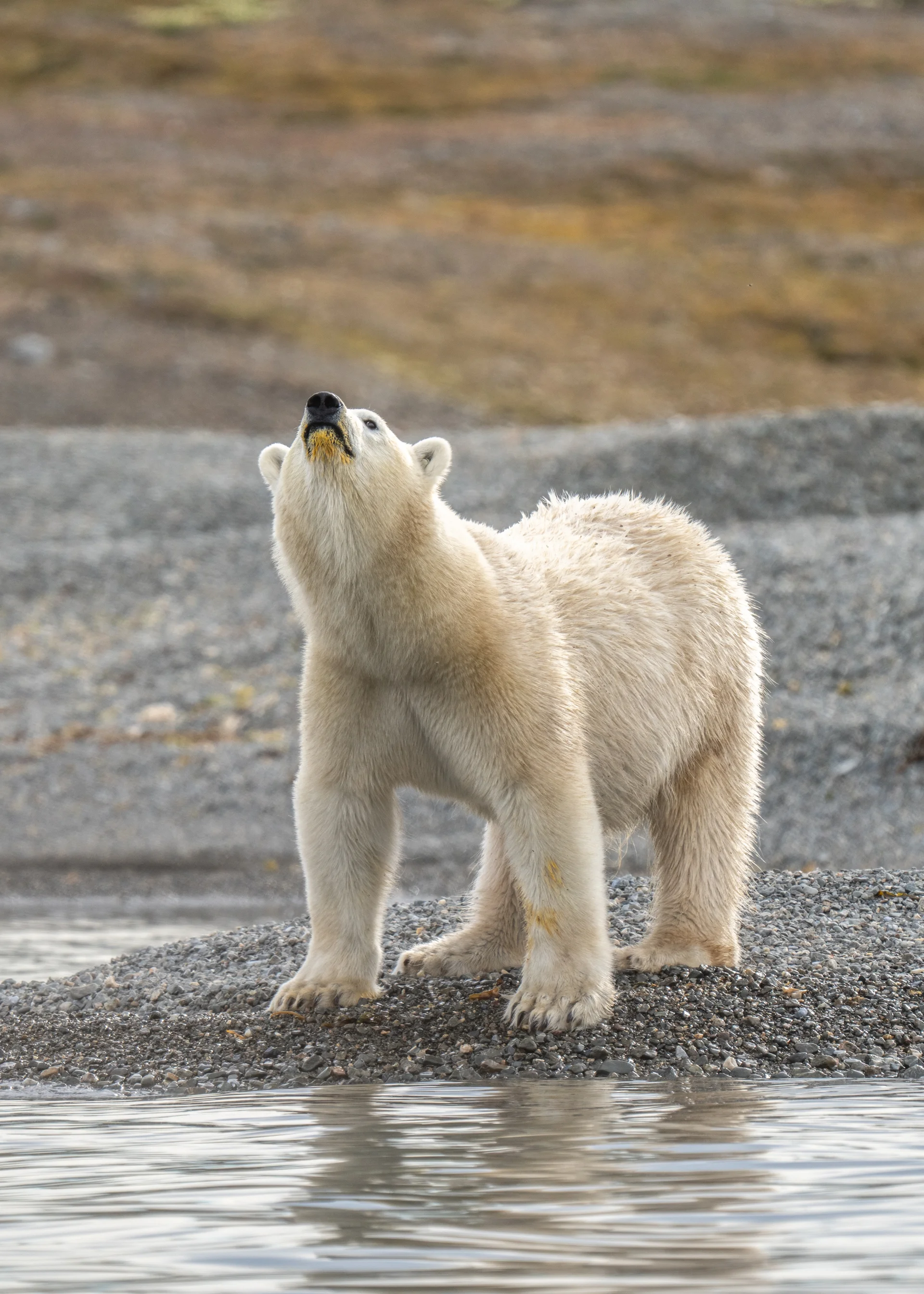
This island was not completely covered by ice during the Last Glacial Period, allowing many relict species to survive. The nature reserve contains the world's largest concentration of polar bear maternity dens — this is why Wrangel Island is known as the "maternity ward of polar bears". A significant proportion of all cubs born to the Chukchi-Alaska polar bear population are born here.
Polar bears are not the island's only inhabitants. Musk oxen, Arctic foxes, walruses, ringed seals, bearded seals and other mammals also live here, while gray whales and, less frequently, bowhead whales can be seen in the coastal waters.
The local flora is remarkably rich: 417 species of vascular plants grow here, more than on any other Arctic island. During a journey through the tundra toward the Mamontovaya River you will have the opportunity to see the only permanent colony of snow geese in Asia. Mammoth remains scattered across the tundra and beaches are a reminder that the last representatives of this ancient genus lived here and disappeared approximately 4,000 years ago.
Activities
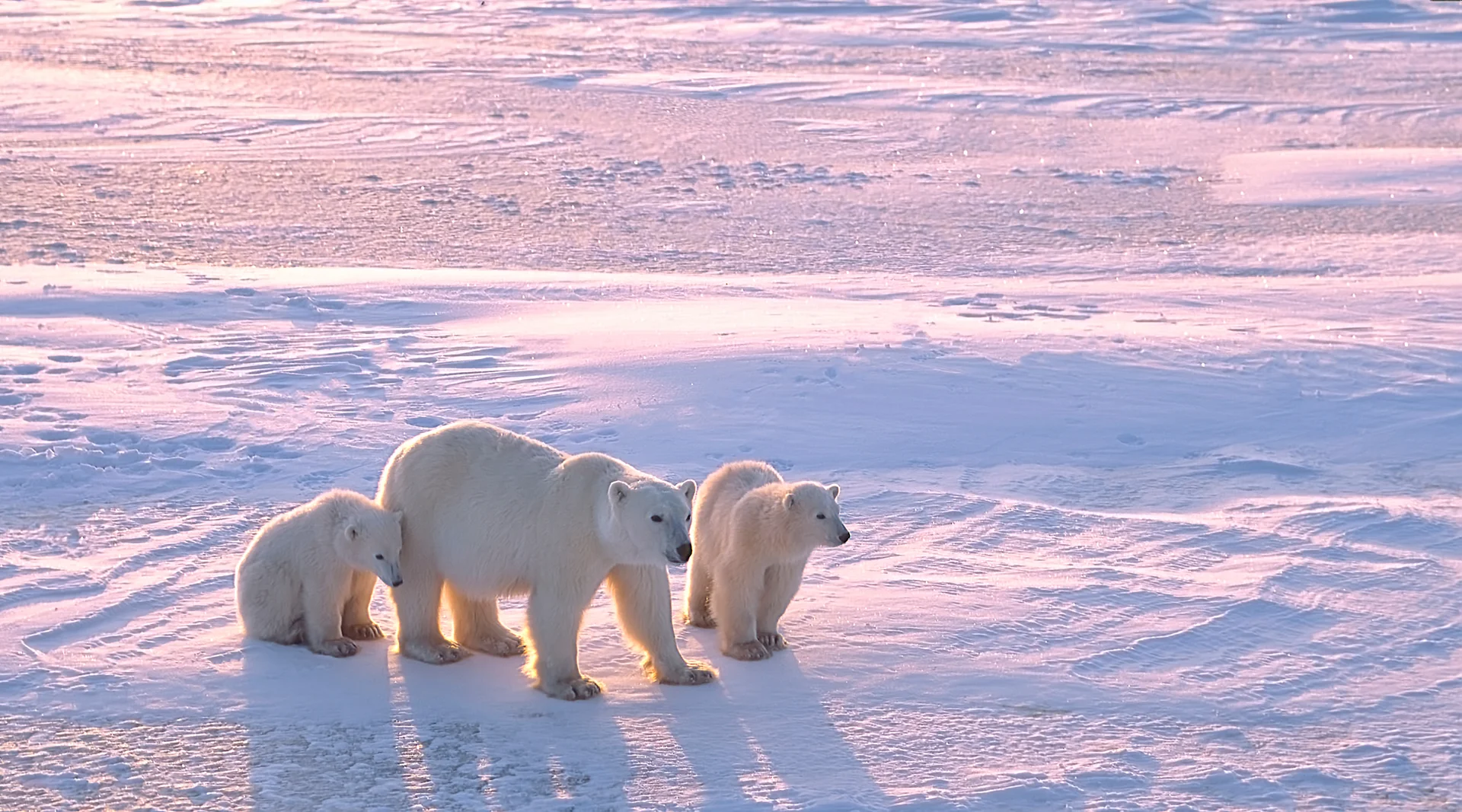
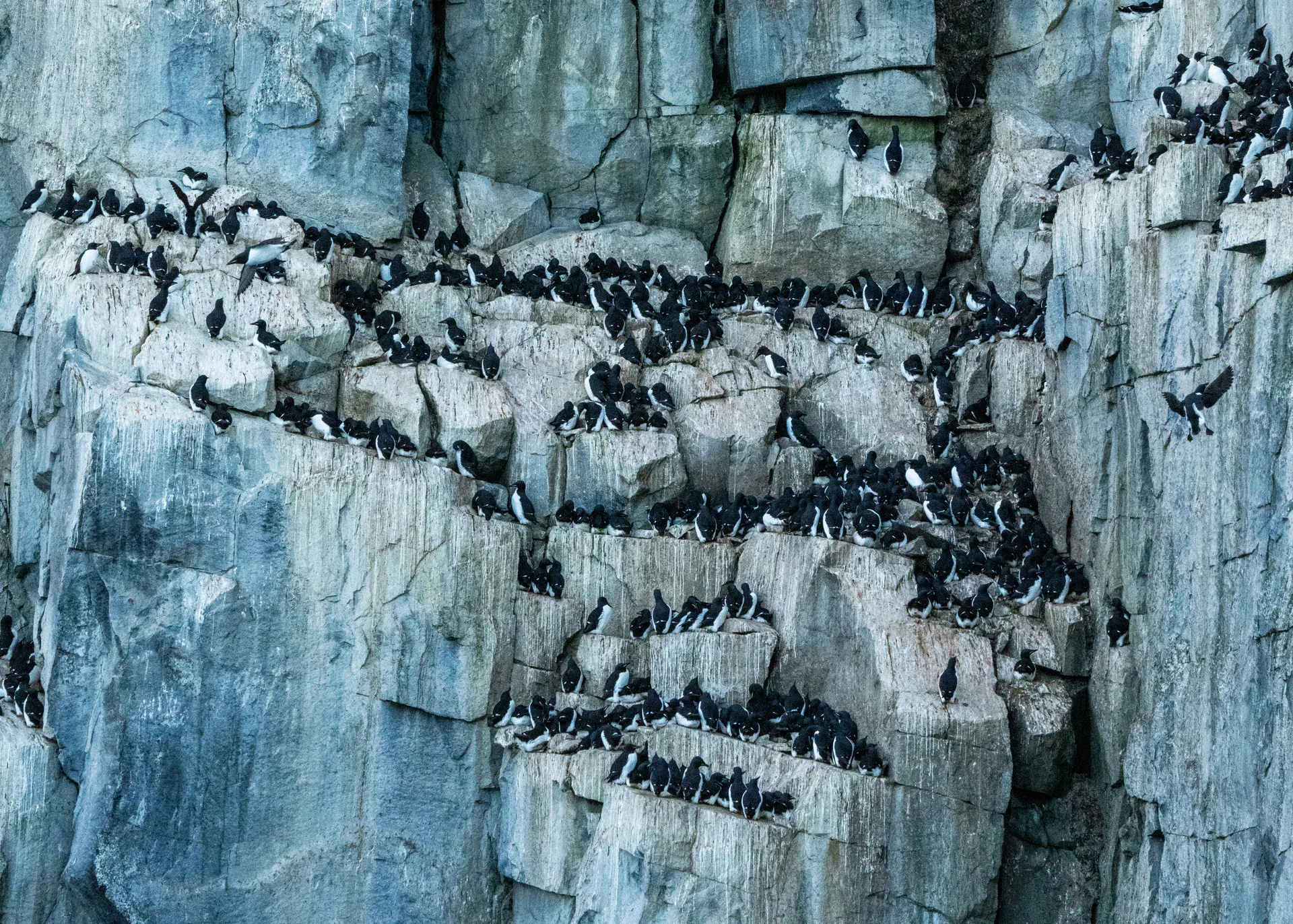
Exploring Herald Island
The tiny Arctic cliff of Herald Island lies just 60 km east of Wrangel Island. Included on the UNESCO World Heritage List, it is one of the northernmost pieces of land in the world. Continuous wind and time have transformed it into a fantastical accumulation of rocks and stones resembling a plateau, with Arctic plants growing through the landscape.
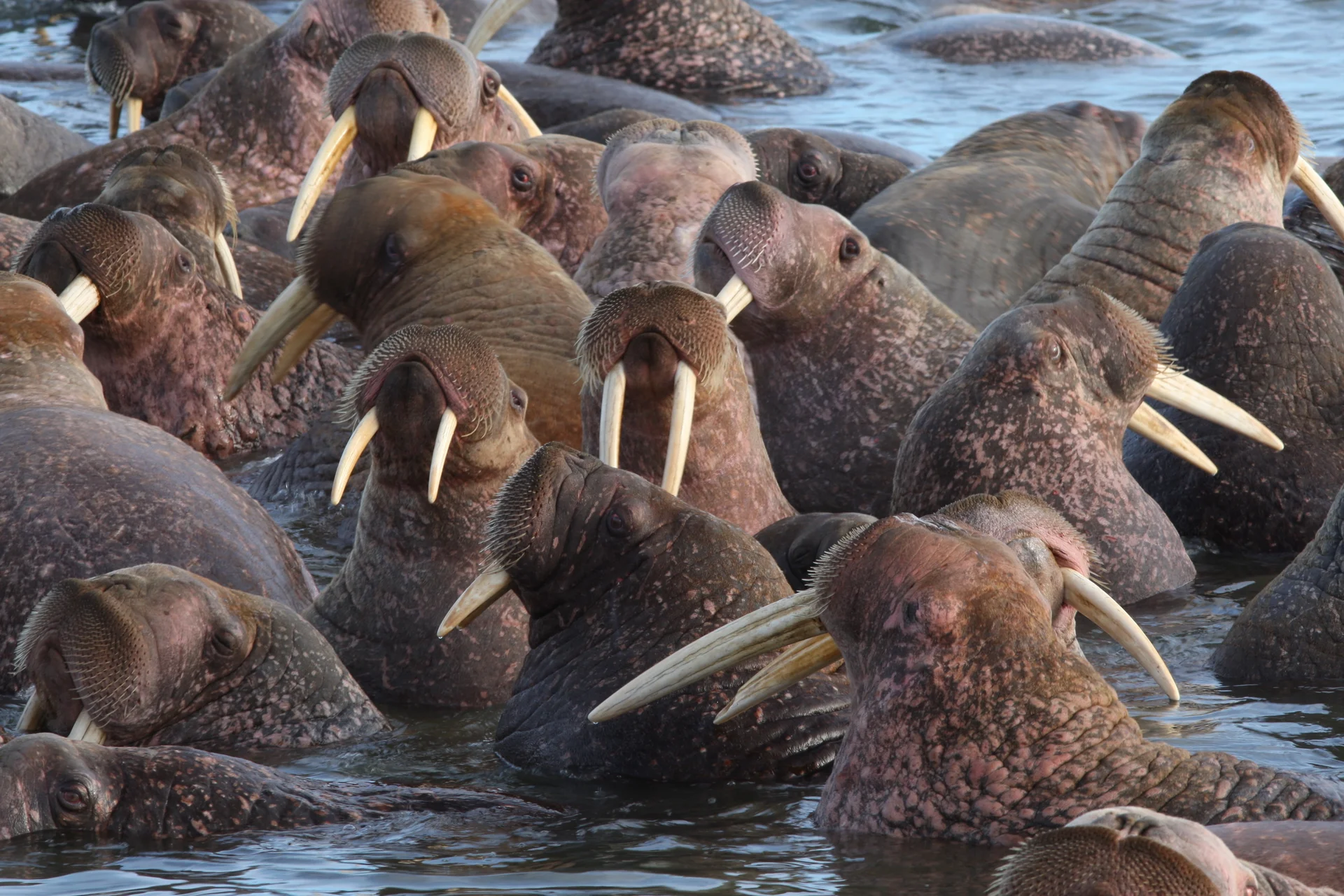
Landing on the island is highly restricted. However, exploration can be conducted by Zodiac from the water, with opportunities to observe walruses and even polar bears from a safe distance. A true spectacle of Arctic wildlife awaits you: cozy grottoes filled with walruses, seabird colonies and tiny beaches where unscripted scenes of wildlife unfold.
Activities
Kolyuchinskaya Bay
Kolyuchinskaya Bay is the second-largest bay of the Chukchi Sea, cutting deeply into the coast of the peninsula. Its landscape is striking in its combination of rugged wilderness and untouched beauty. If you are lucky, you may see walruses and gray whales feeding near the shore.
Stretching for almost 100 km and separated from the sea by the narrow Belyaka Spit, the bay is an important natural refuge. Its waters are home to salmon species, while the southern coast is an important nesting area for tundra swans, ducks, shorebirds and black brant, with thousands of molting birds gathering here in summer.
Activities
Lavrentiya Village and Lavrentiya Bay
On the shores of the Bering Strait lies Lavrentiya, a settlement where Chukchi Yupik people still live. It is a true cultural center of the region: it hosts the famous Beringia traditional skin-boat regatta and a vibrant festival that brings participants from across the country. The local museum, located in a colorful building, displays unique artifacts reflecting the traditions and spiritual world of the Indigenous peoples.
Guests will receive a warm welcome, with traditional dances, refreshments including tea made from local herbs and prepared over an open fire, and the opportunity to purchase authentic handmade souvenirs. A leisurely walk through the settlement will complete the experience.
Activities
Senyavin Hot Springs and Penkigney Bay
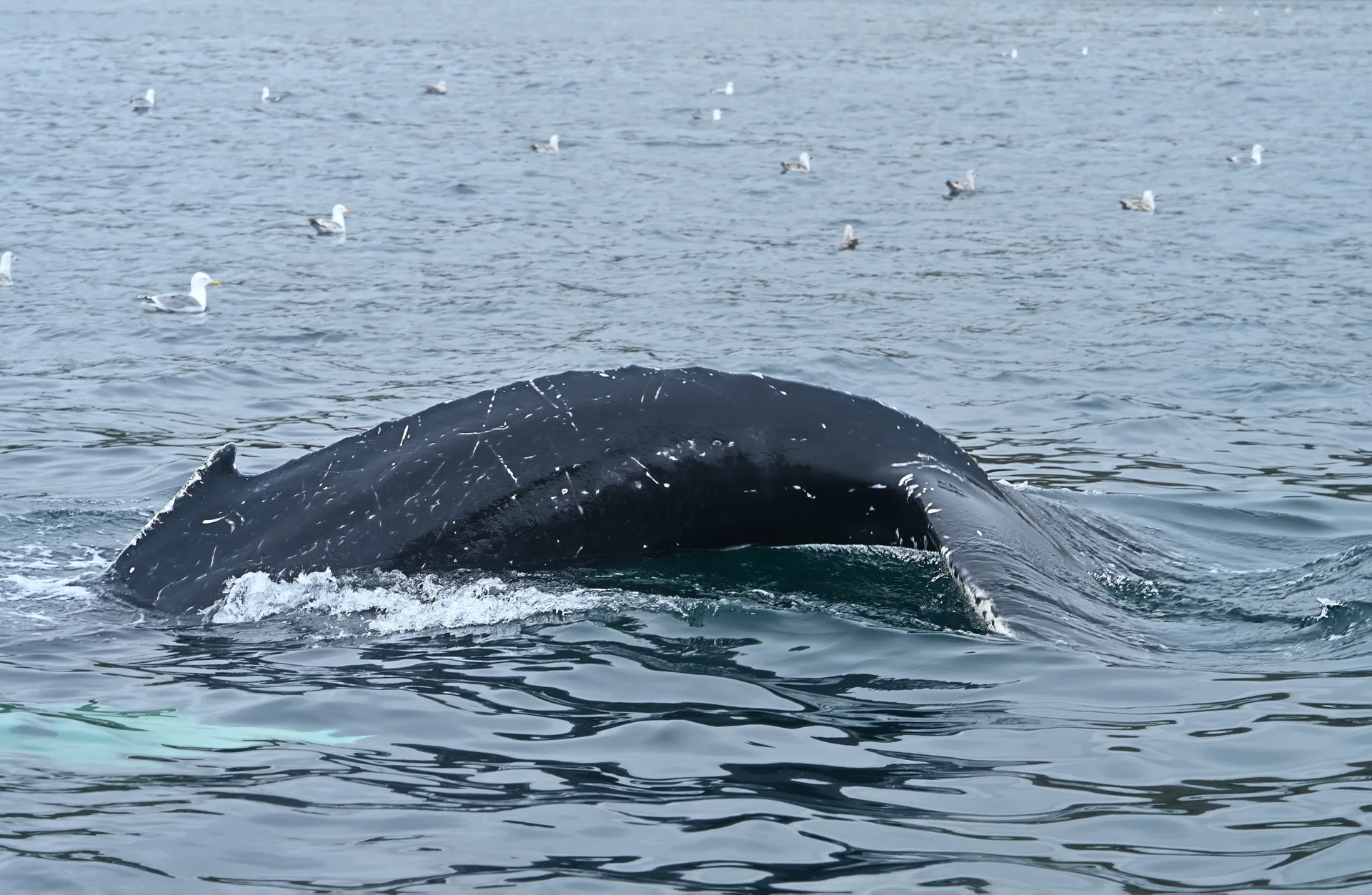
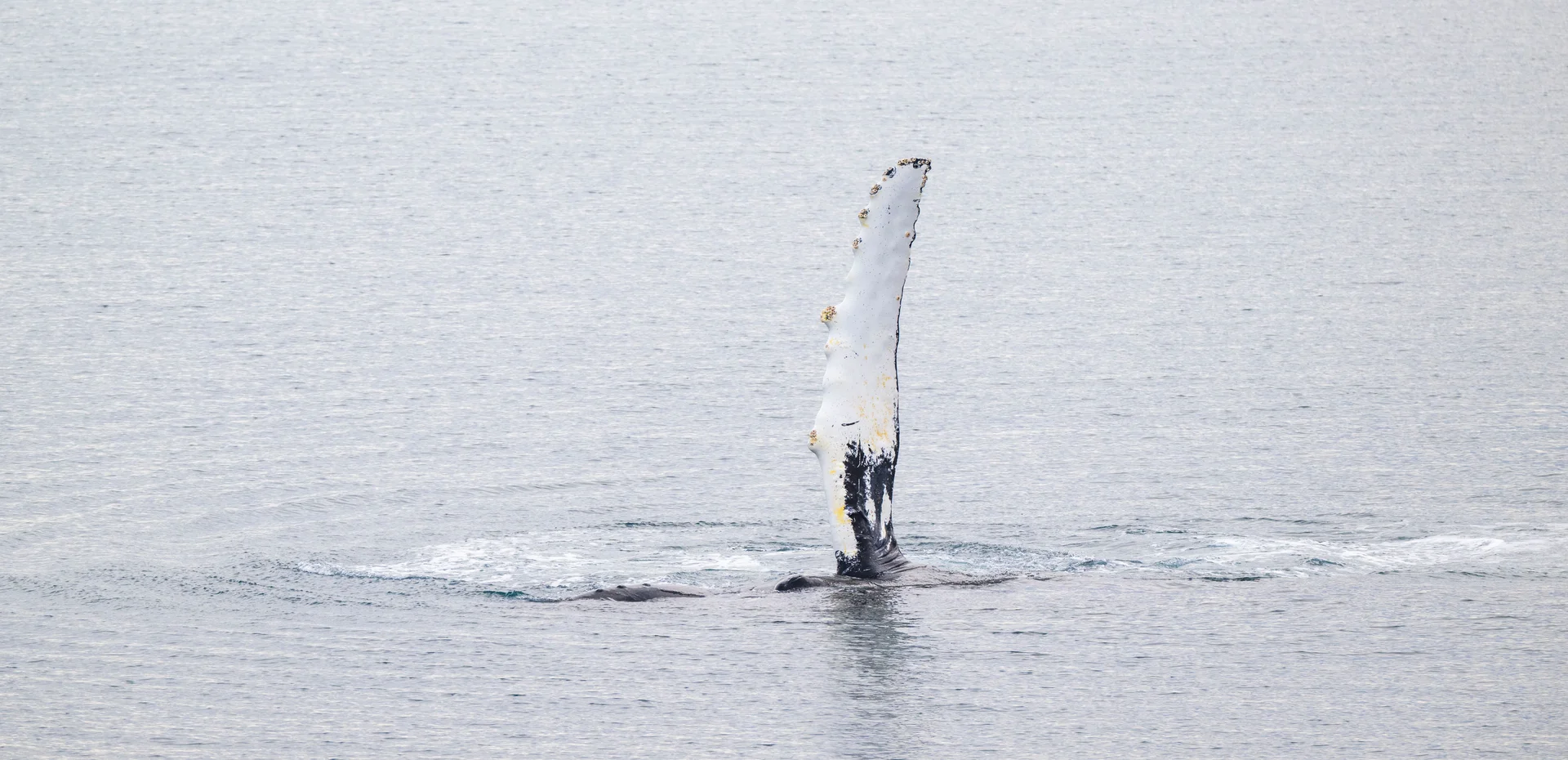
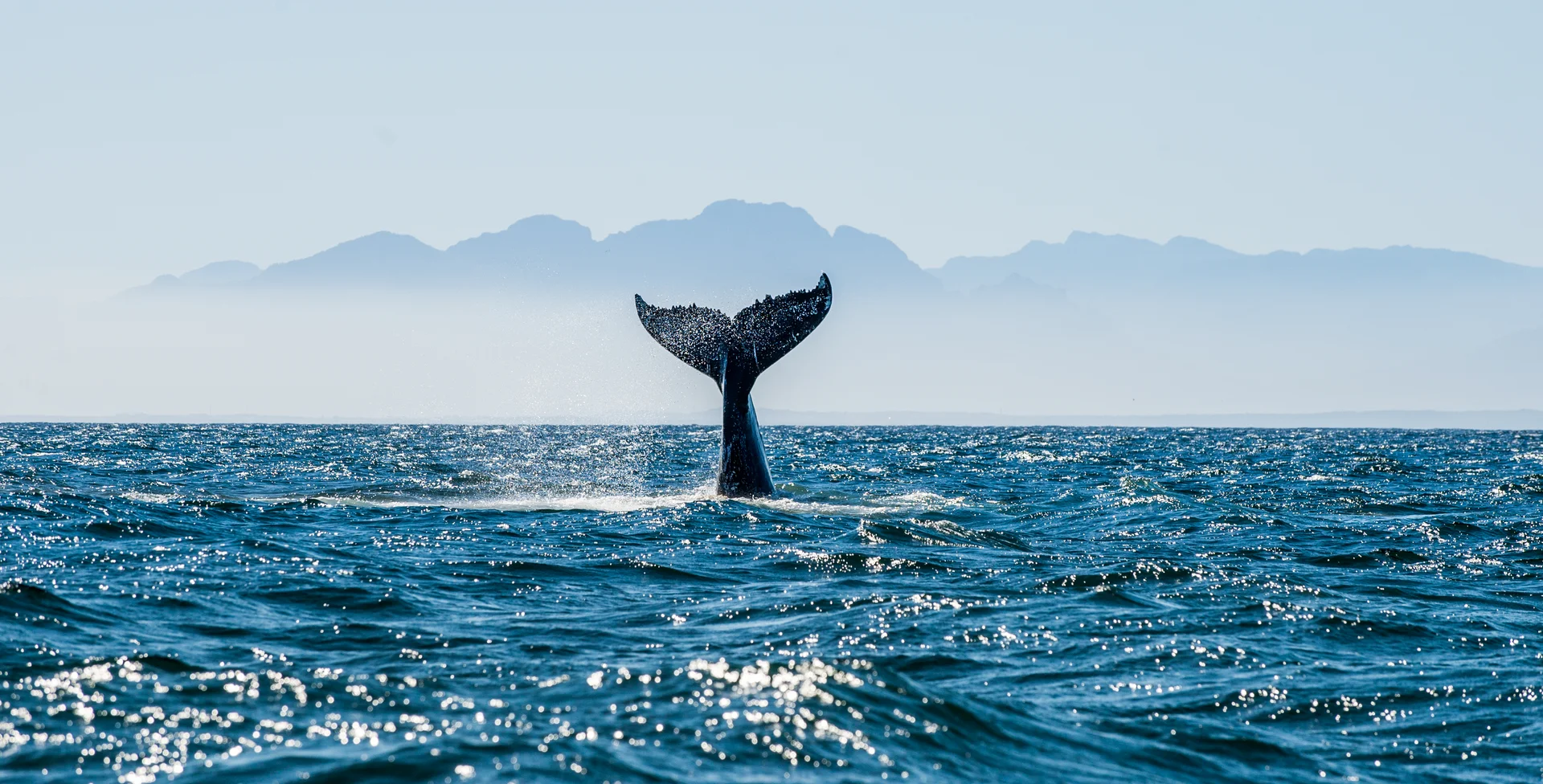
The Senyavin Strait is one of the most beautiful places along the entire Chukotka coast. Its magnificent cliffs frame narrow sea passages, while walrus haul-outs and noisy seabird colonies can be found along the shores. A particular gem of the strait is Penkigney Bay, famous for attracting humpback and gray whales to feed. This day will be dedicated to whale watching, and active guests will be offered a scenic trek from Penkigney Bay to the mouth of the Klyuchevaya River.
The day will conclude with a chance to relax in the Senyavin Hot Springs beneath the open sky. This is the largest natural thermal complex in the Provideniya District, with more than 150 springs and water temperatures reaching up to 80 °C, rich in mineral salts and radon. If you are lucky, you may see sandhill cranes and rare birds of prey.
Activities
At Sea
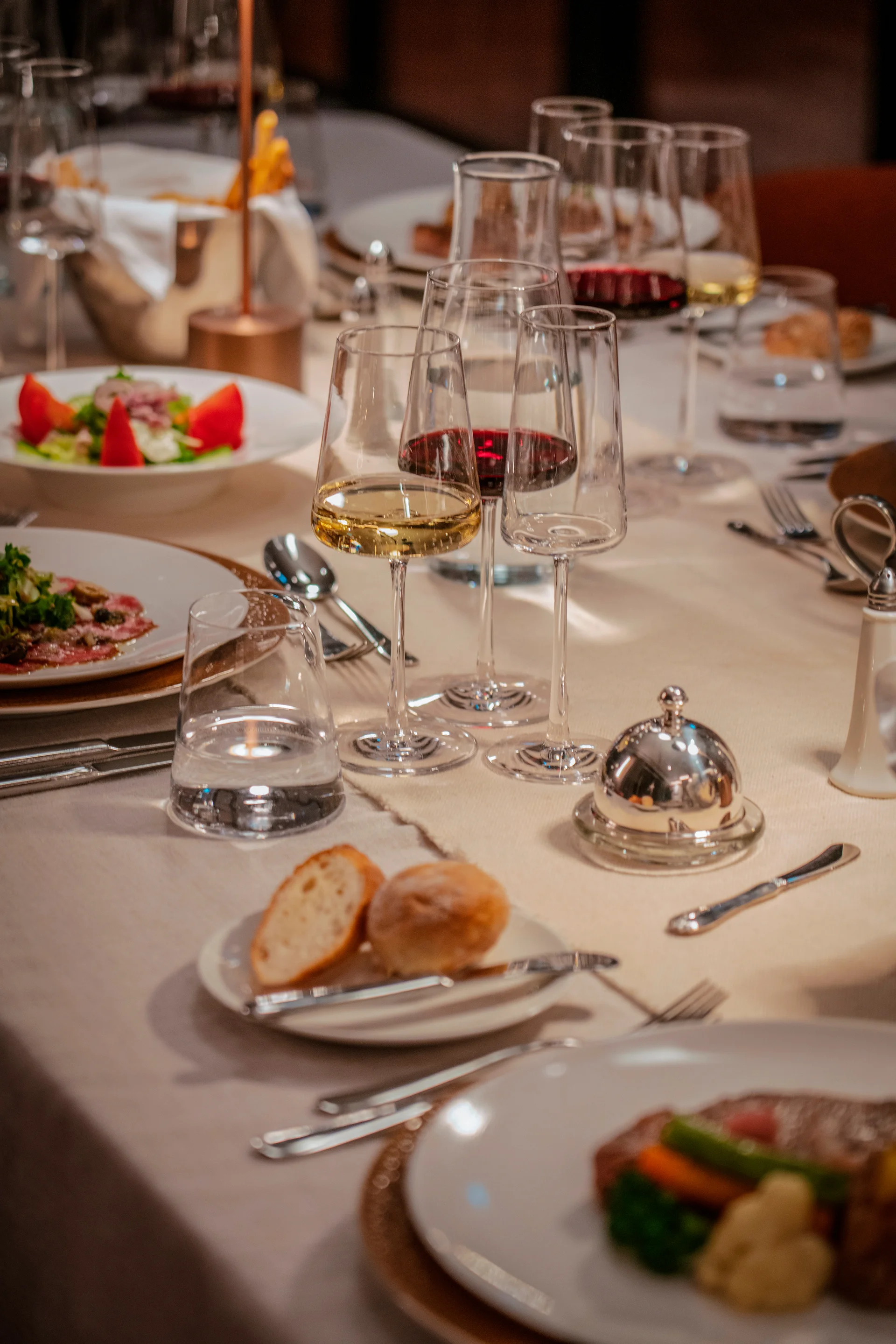
A day at sea is a time for relaxation and new impressions. You can spend it however you like: visit the spa or fitness center, talk with fellow travelers and share impressions of the journey, or visit the library, which contains thematic books and reference materials.
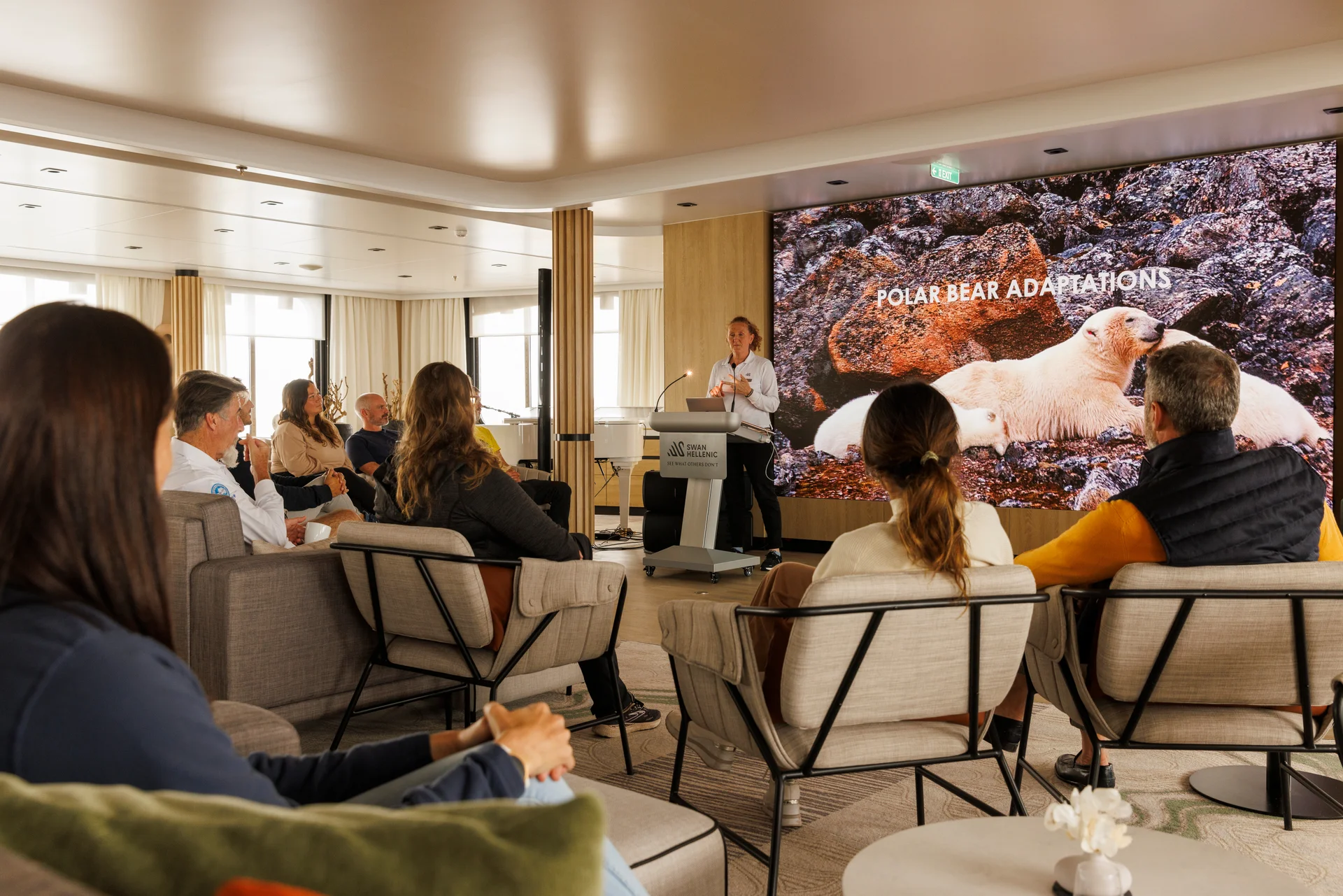
Throughout the day you will have the opportunity to attend briefings and themed lectures by our experts — marine biologists, geologists and historians. It is an excellent opportunity to learn more about the region, hear fascinating stories and ask questions in a relaxed setting.
Activities

Anadyr
The cruise comes to an end as the ship returns to Anadyr, the starting point of this unforgettable journey through the Russian Far East. After breakfast you will say goodbye to the expedition team and ship's crew and go ashore. A transfer to Anadyr Airport will be arranged for expedition guests.
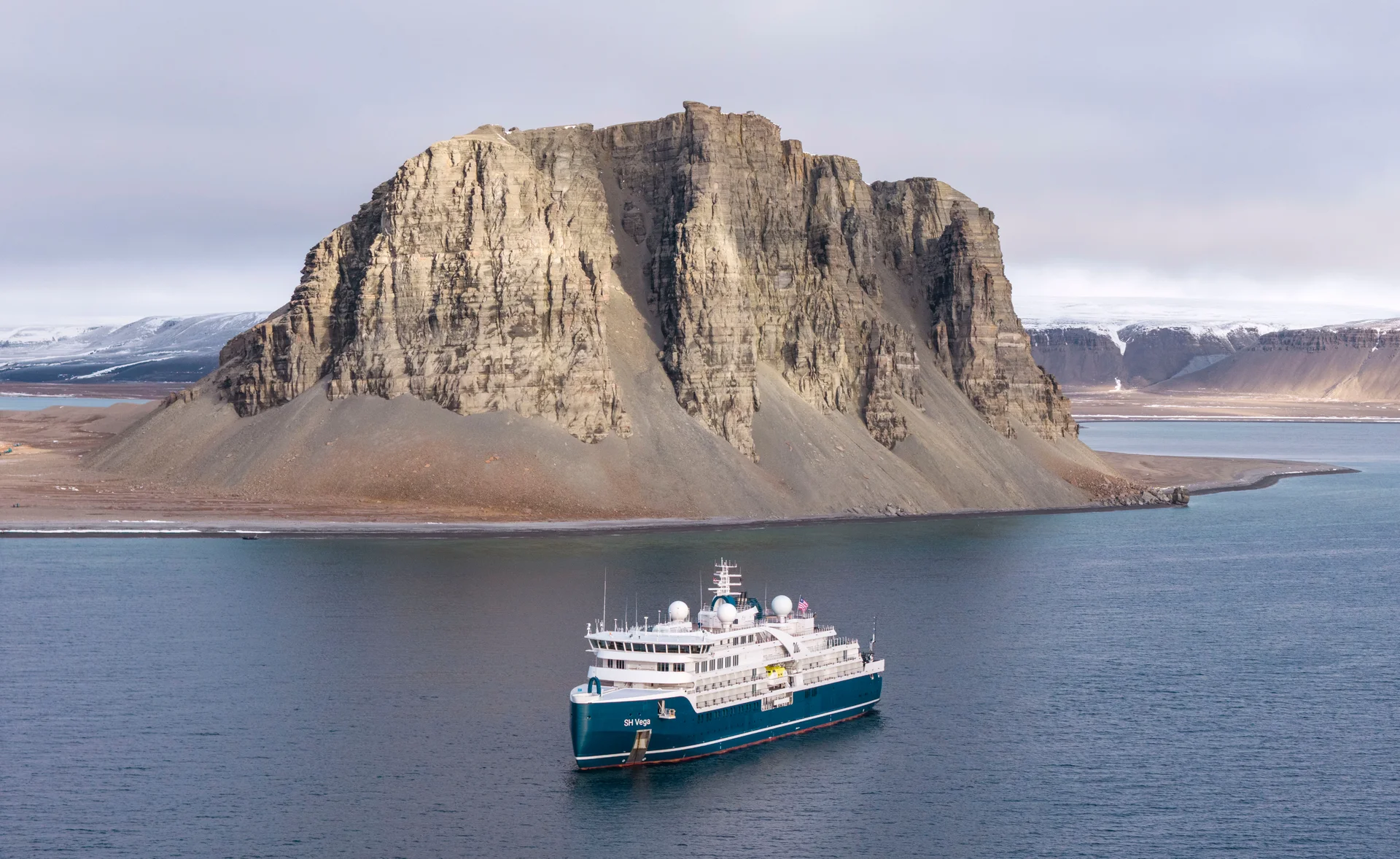
This is the general itinerary of the cruise. The route may change depending on weather and other conditions. In the Arctic regions, the route and daily operations of any expedition are dictated by the ice: its movement, concentration and density. The crew and expedition team will do everything possible — and even more — to ensure the cruise runs as intended.
What is an expedition cruise?
Expedition sea voyages are a way of traveling, not research projects. Their purpose is to reach remote, hard-to-access places and see what most people only ever encounter in documentaries — while still enjoying a high standard of comfort and service.
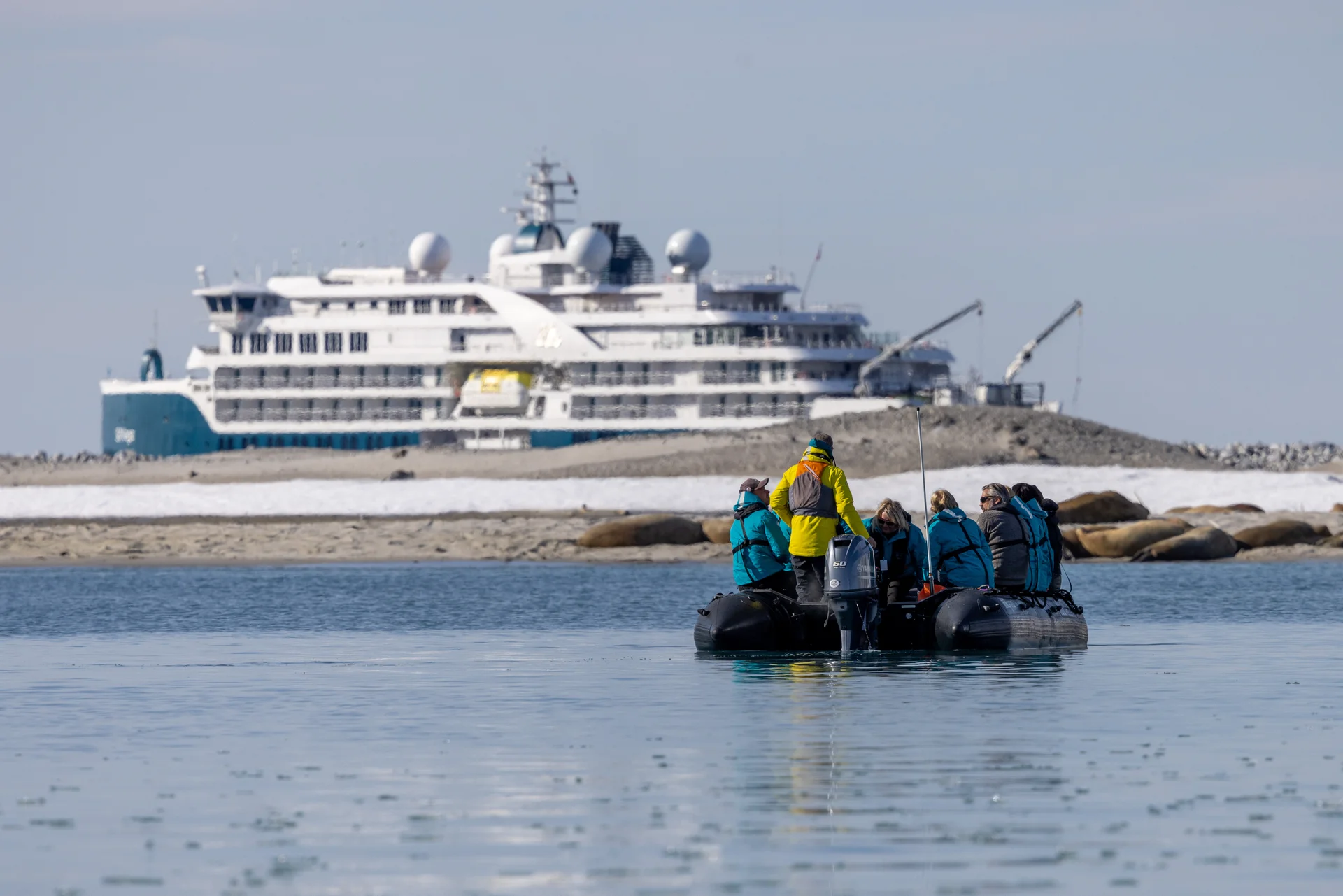
The advantages of an expedition cruise
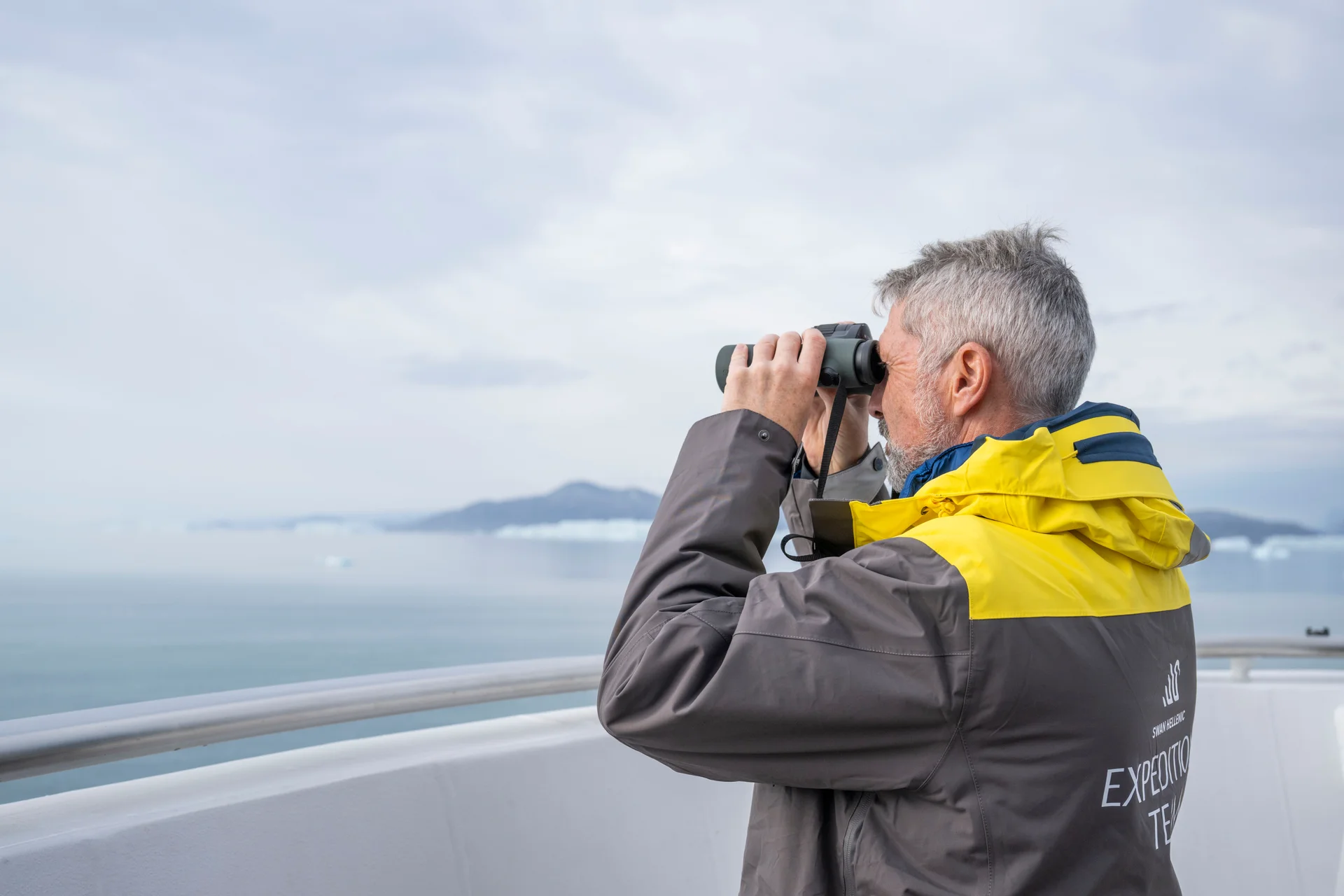
You don't need to stick to a fixed schedule. The captain can adjust the course, the order of ports, and the length of each call according to the forecast and the expedition leader's advice, so that guests have the opportunity to encounter as much wildlife as possible. If a pod of whales is sighted, or walruses or polar bears appear nearby, the captain can slow the ship or stop altogether.
The ship's small size allows it to enter small bays and narrow channels. That is where the most valuable experiences take place.
Zodiacs make it possible to land on the most remote islands along the route, even where there is no port infrastructure at all — while kayak outings bring you “within arm's reach” of the wildlife kingdom.
Being this close to nature gives you the chance to observe animals in their habitat.
Lectures and guided excursions deepen your understanding of the region's cultures and wildlife.
Purpose-designed expedition gear is provided on board — there is no need to bring it from home. On the Chukotka expedition, the kit includes polar parka, a waterproof backpack for landings and a reusable water bottle.
Wildlife
Polar bears — the symbol of Chukotka — come down to the coast and the drifting ice in search of prey. Walruses and seals gather on the rocky shores, while gray and bowhead whales are frequent visitors to the coastal waters. Thousands of seabirds glide above the cliffs: murres, kittiwakes, guillemots and skuas. *All wildlife observation is conducted at a safe distance, following the protocols of the conservation authorities.
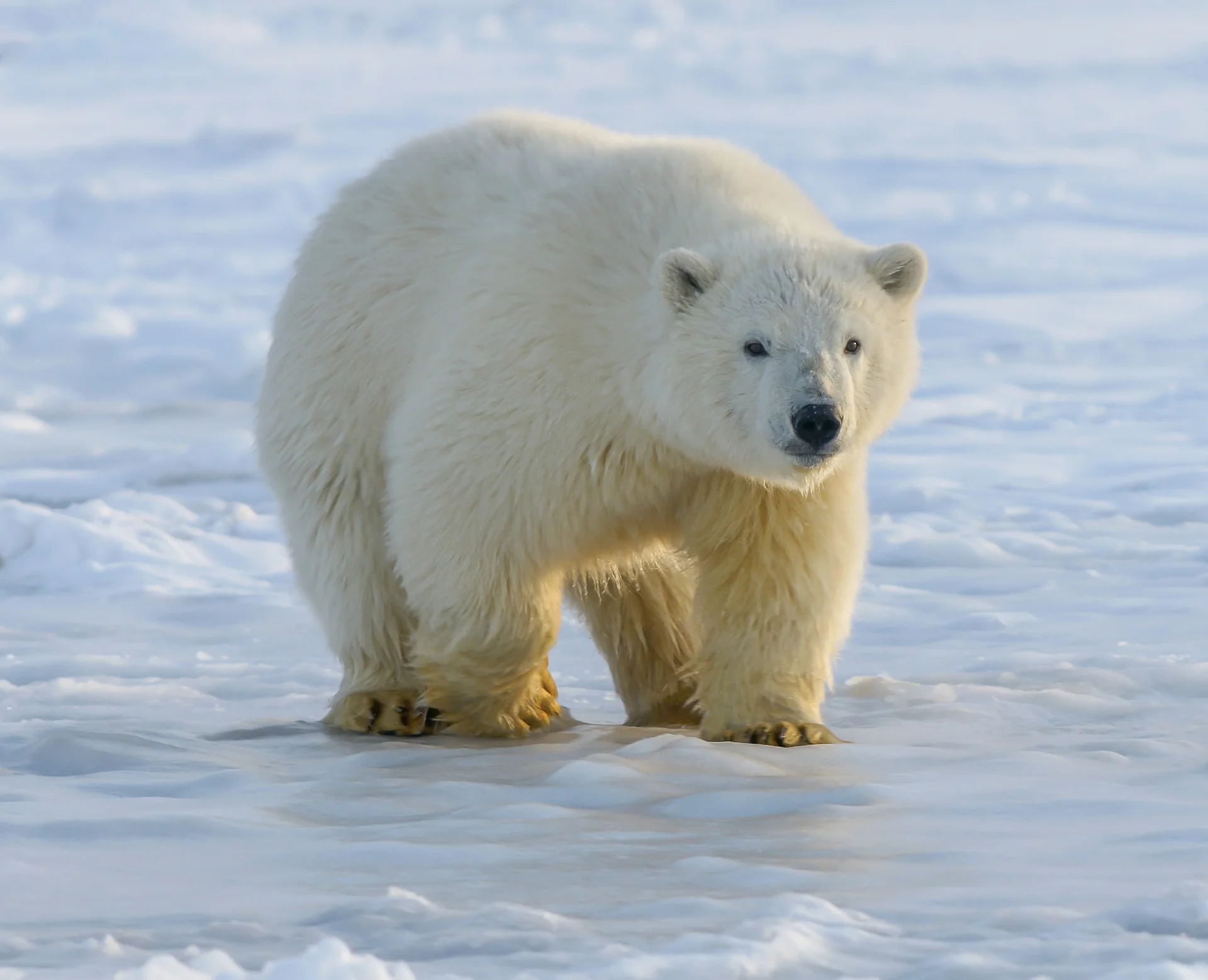
Polar bear
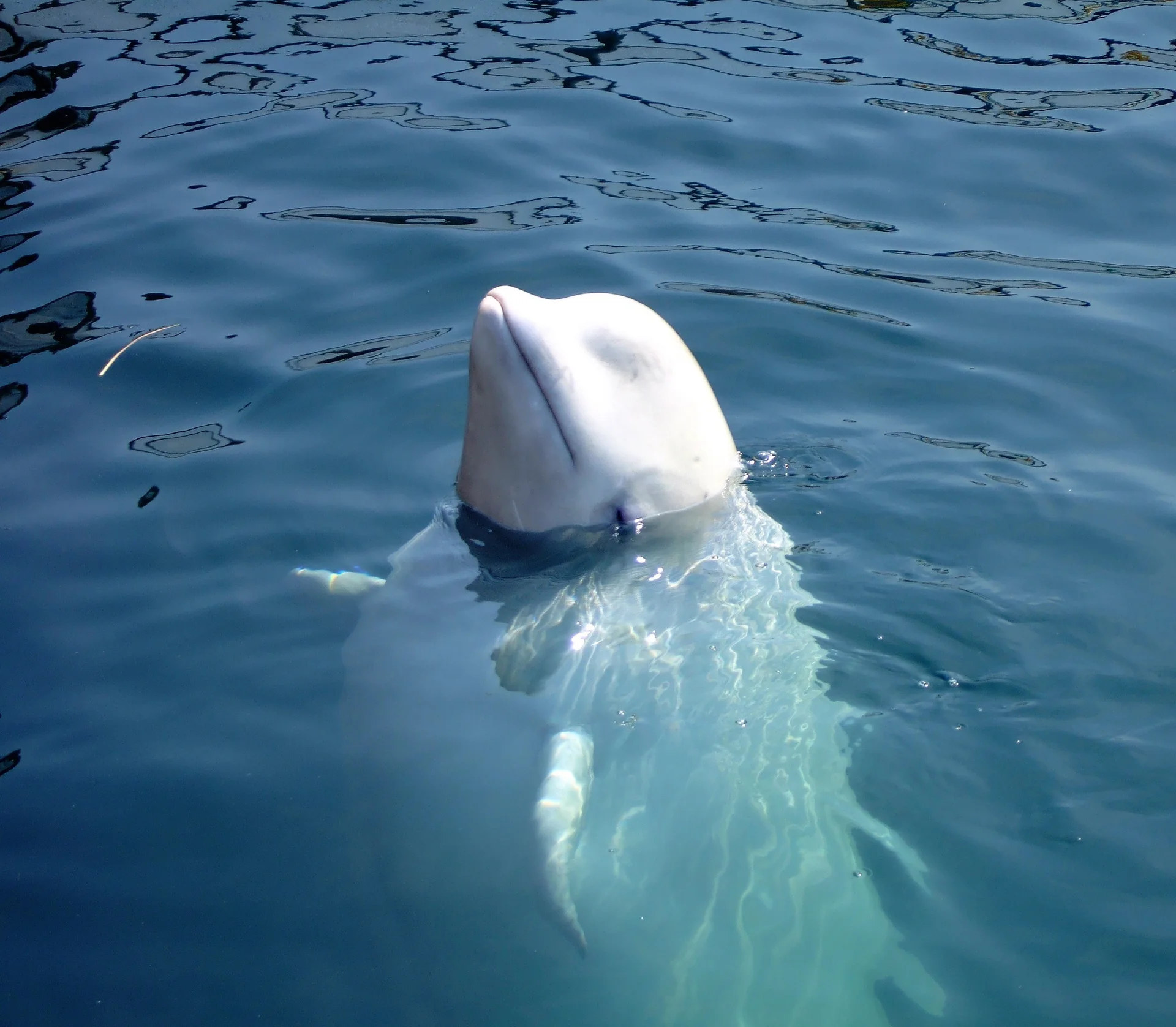
Beluga
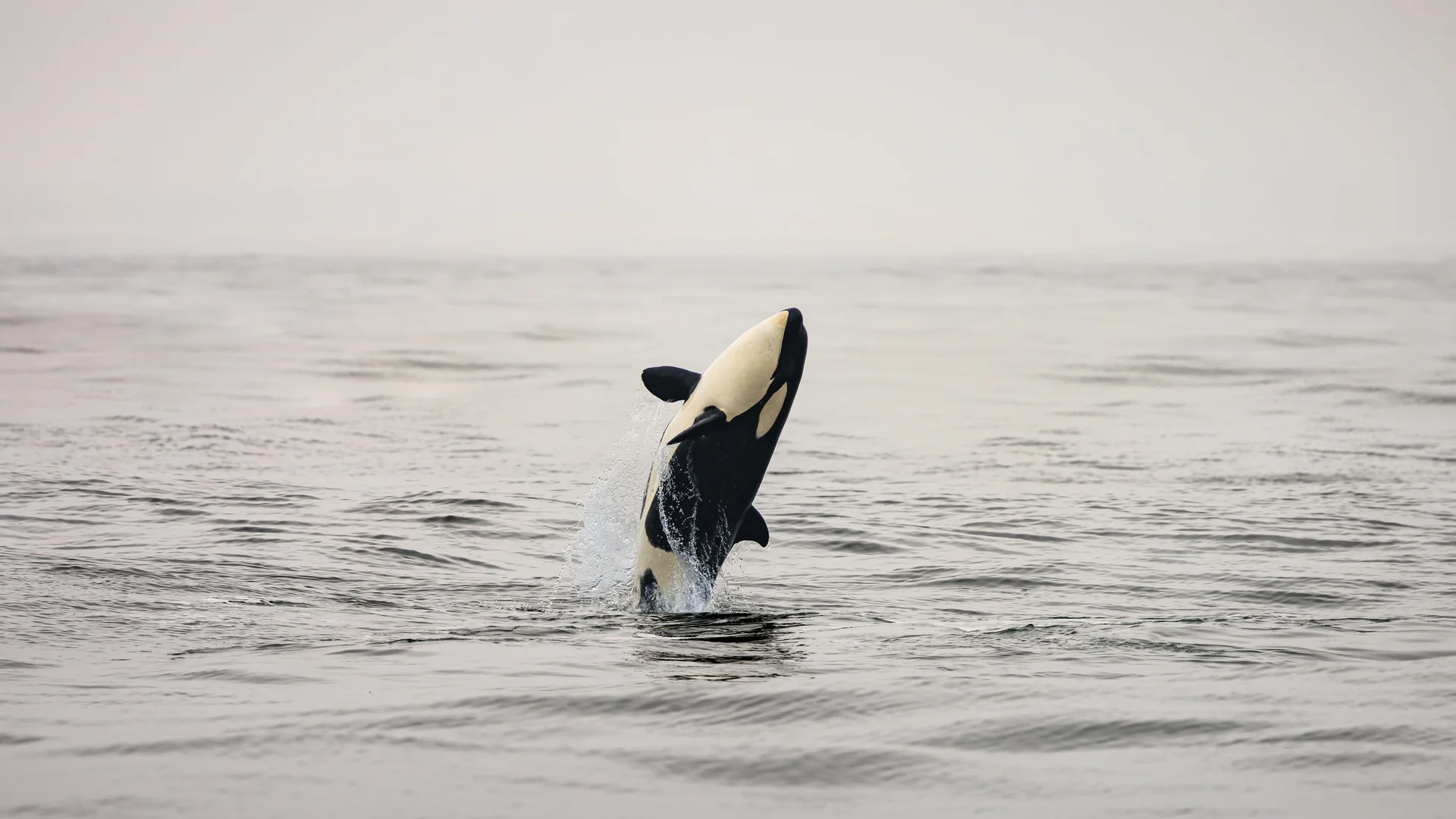
Orca
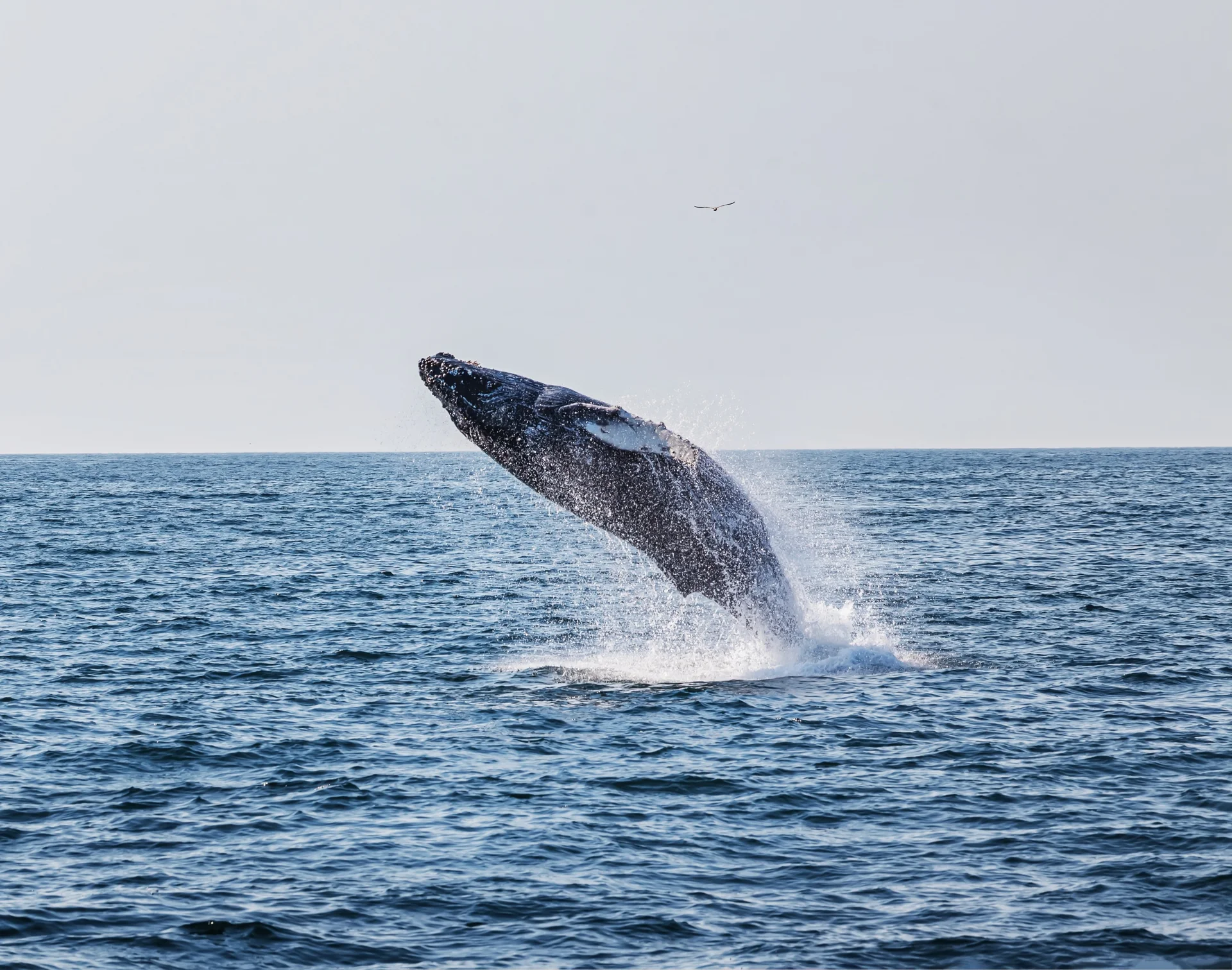
Bowhead whale
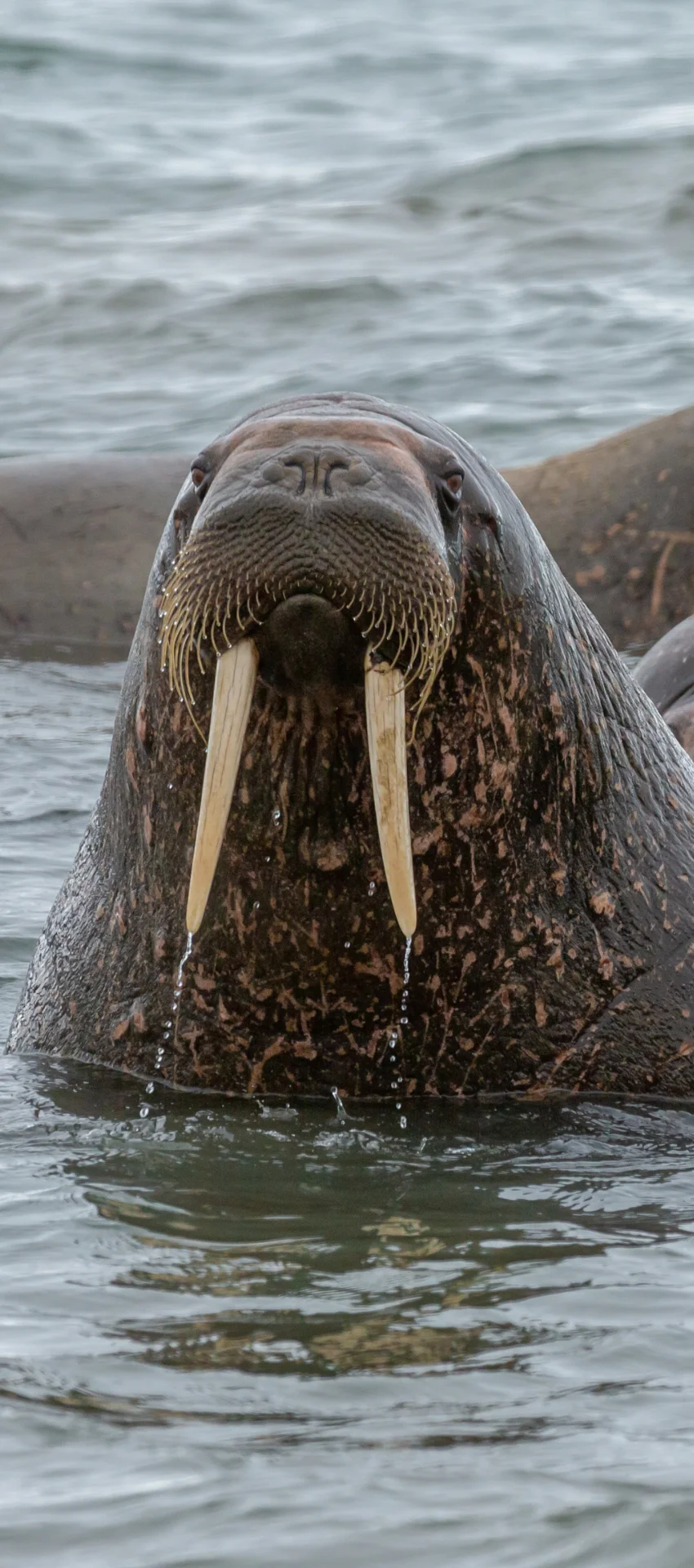
Pacific walrus
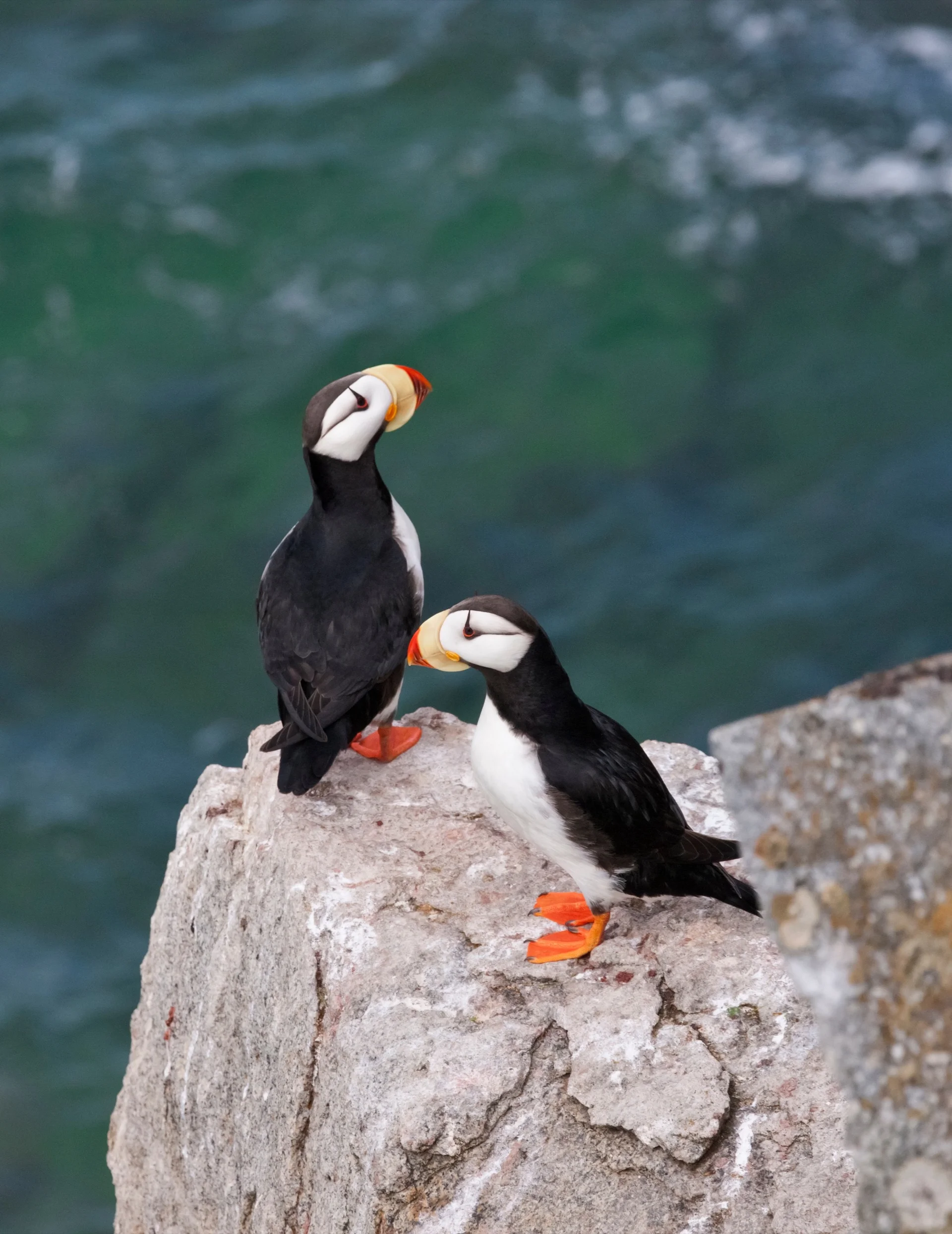
Horned puffin
Wildlife
Polar bears — the symbol of Chukotka — come down to the coast and the drifting ice in search of prey. Walruses and seals gather on the rocky shores, while gray and bowhead whales are frequent visitors to the coastal waters. Thousands of seabirds glide above the cliffs: murres, kittiwakes, guillemots and skuas. *All wildlife observation is conducted at a safe distance, following the protocols of the conservation authorities.
Polar bear
Beluga
Orca
Bowhead whale
Pacific walrus
Horned puffin
SH Minerva
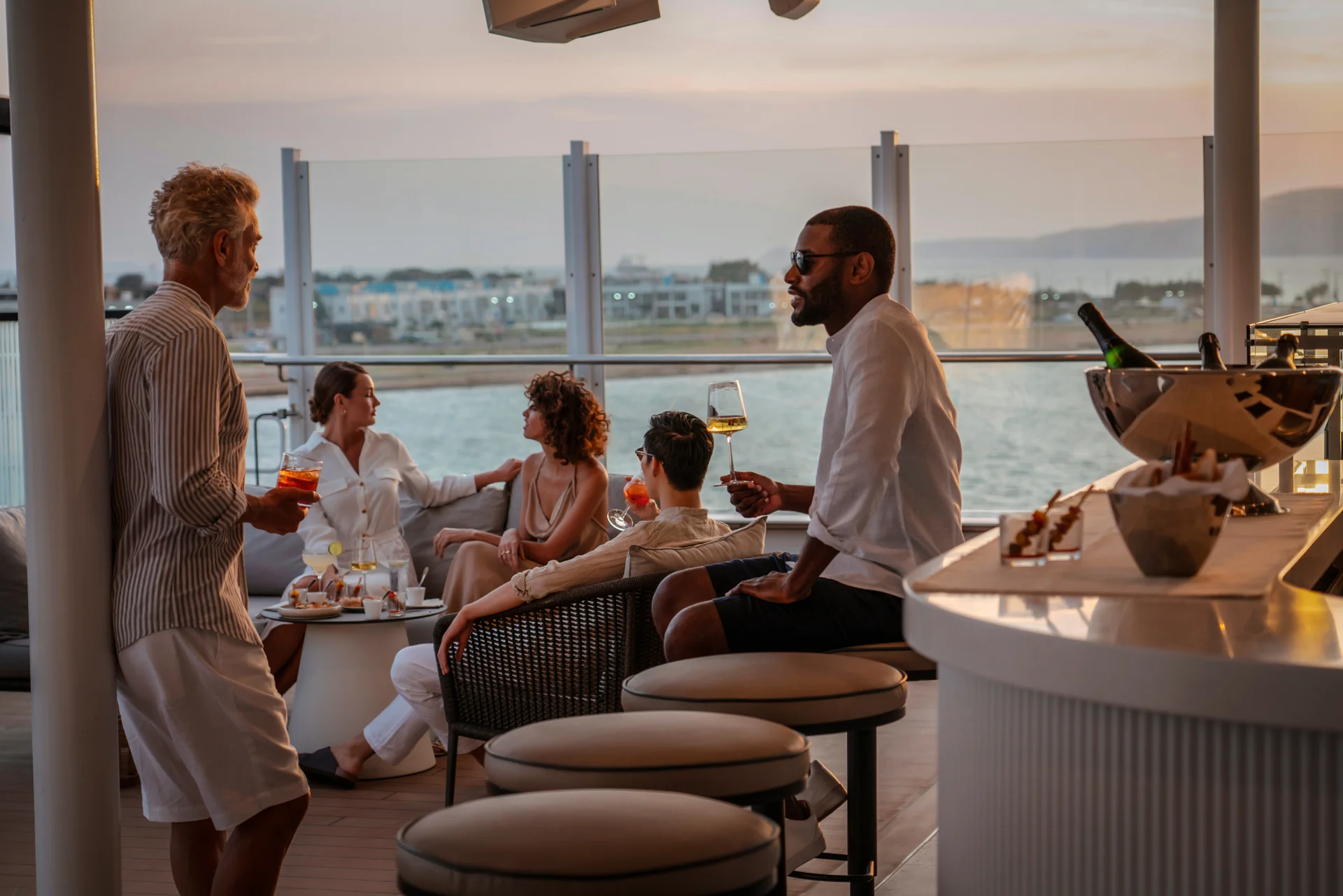
Built in the Helsinki Shipyard in Finland, SH Minerva features elegant interiors, wide unobstructed views throughout the ship, and dedicated expedition facilities — so you can explore remote destinations in style and comfort. Whether you're taking in remarkable scenery from the panoramic sauna, dining in a world-class restaurant, or unwinding in your sumptuous stateroom, this outstanding 5-star ship has you covered. Combining cutting-edge technology with stylish, sophisticated design, the ship's special ice-resistant PC5 hull means it is able to visit some of the world's most inaccessible regions.
Commissioning: November 2025
Port of registry: Monrovia, Liberia
Polar class: PC5
Guest capacity: 152
Staff: 117
Ice performance: 100 cm
No. of decks: 9
Staterooms: 76
Length: 372.3 ft (113.5 m)
Breadth: 79.7 ft (24.3 m)
Tonnage: 10,617 tons
Engine: hybrid diesel electric
Average speed: 12 knots
Fully enclosed lifeboats: 2 boats accommodating all passengers and crew
Expedition crew: 12
Zodiacs: 13
Kayaks: 8
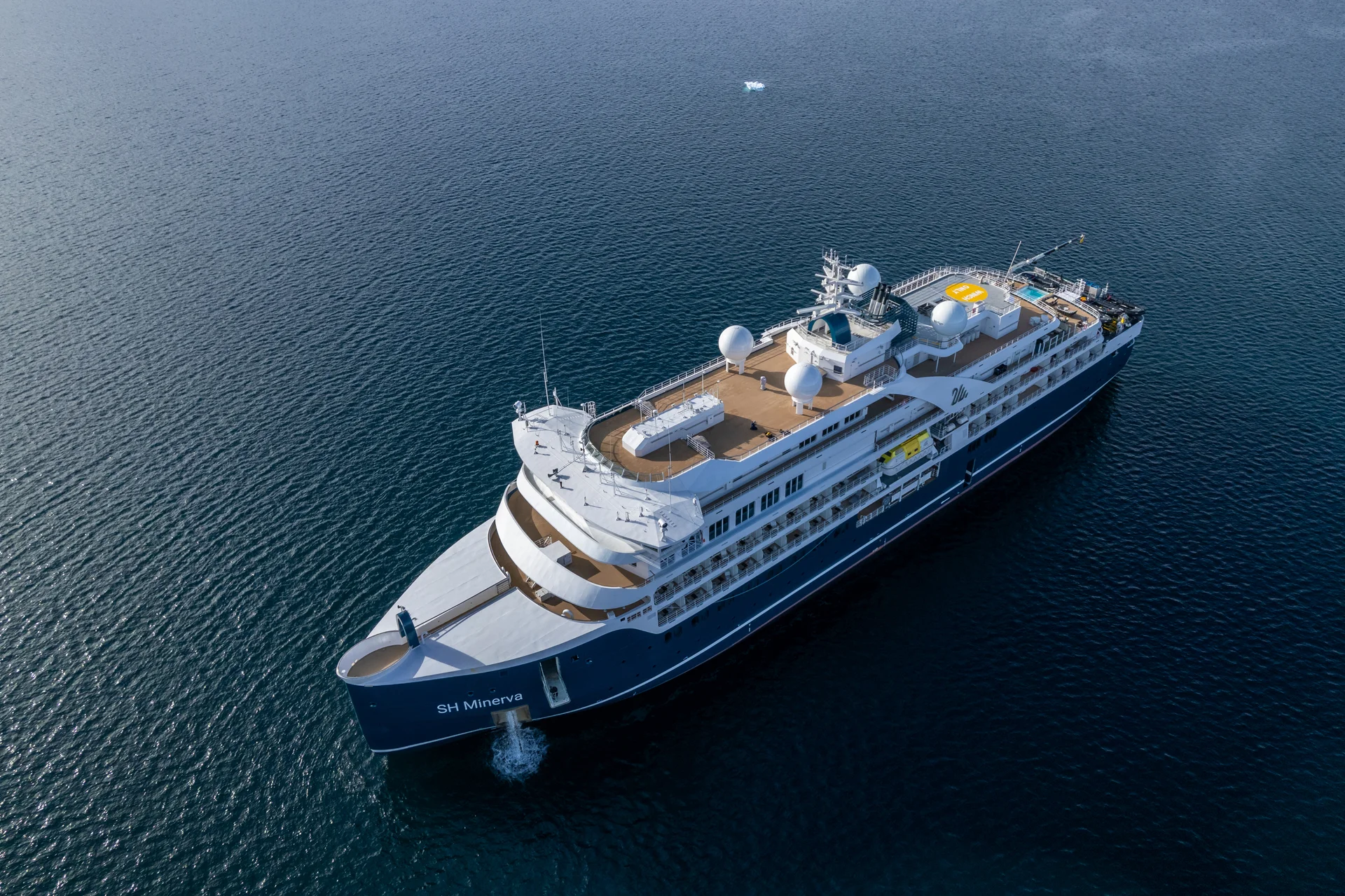

SH Minerva
Built in the Helsinki Shipyard in Finland, SH Minerva features elegant interiors, wide unobstructed views throughout the ship, and dedicated expedition facilities — so you can explore remote destinations in style and comfort. Whether you're taking in remarkable scenery from the panoramic sauna, dining in a world-class restaurant, or unwinding in your sumptuous stateroom, this outstanding 5-star ship has you covered. Combining cutting-edge technology with stylish, sophisticated design, the ship's special ice-resistant PC5 hull means it is able to visit some of the world's most inaccessible regions.
Commissioning: November 2025
Port of registry: Monrovia, Liberia
Polar class: PC5
Guest capacity: 152
Staff: 117
Ice performance: 100 cm
No. of decks: 9
Staterooms: 76
Length: 372.3 ft (113.5 m)
Breadth: 79.7 ft (24.3 m)
Tonnage: 10,617 tons
Engine: hybrid diesel electric
Average speed: 12 knots
Fully enclosed lifeboats: 2 boats accommodating all passengers and crew
Expedition crew: 12
Zodiacs: 13
Kayaks: 8
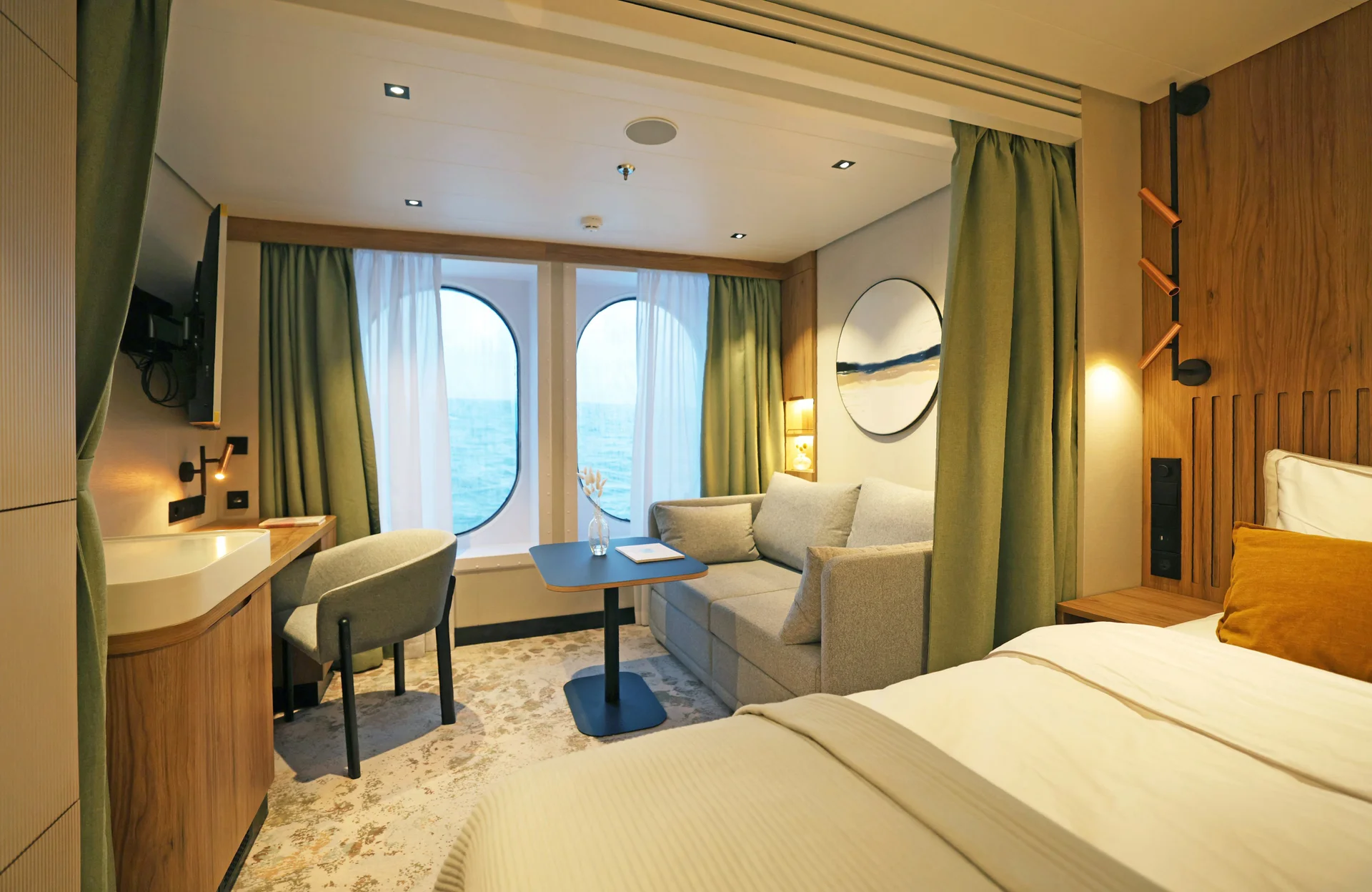
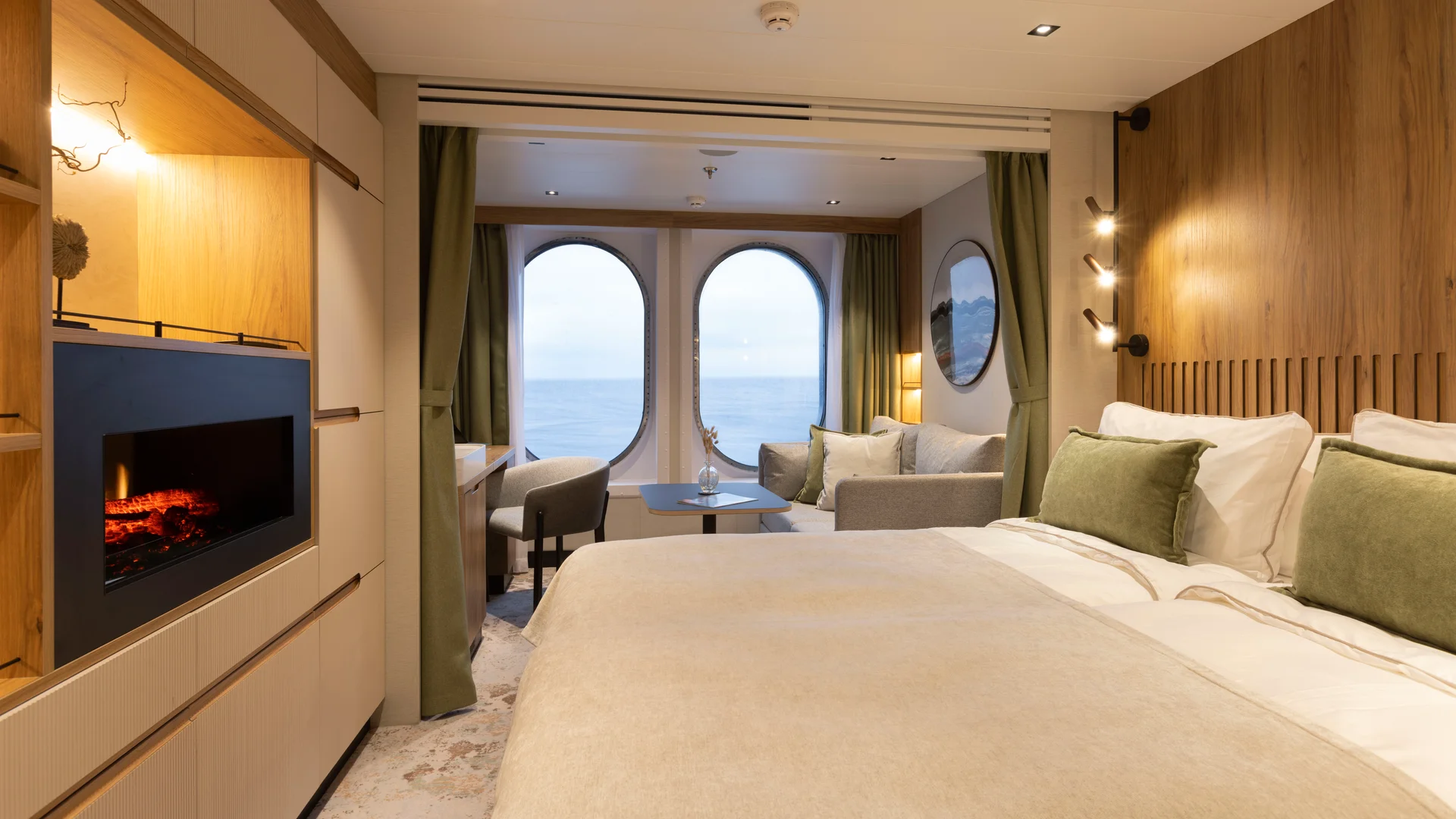
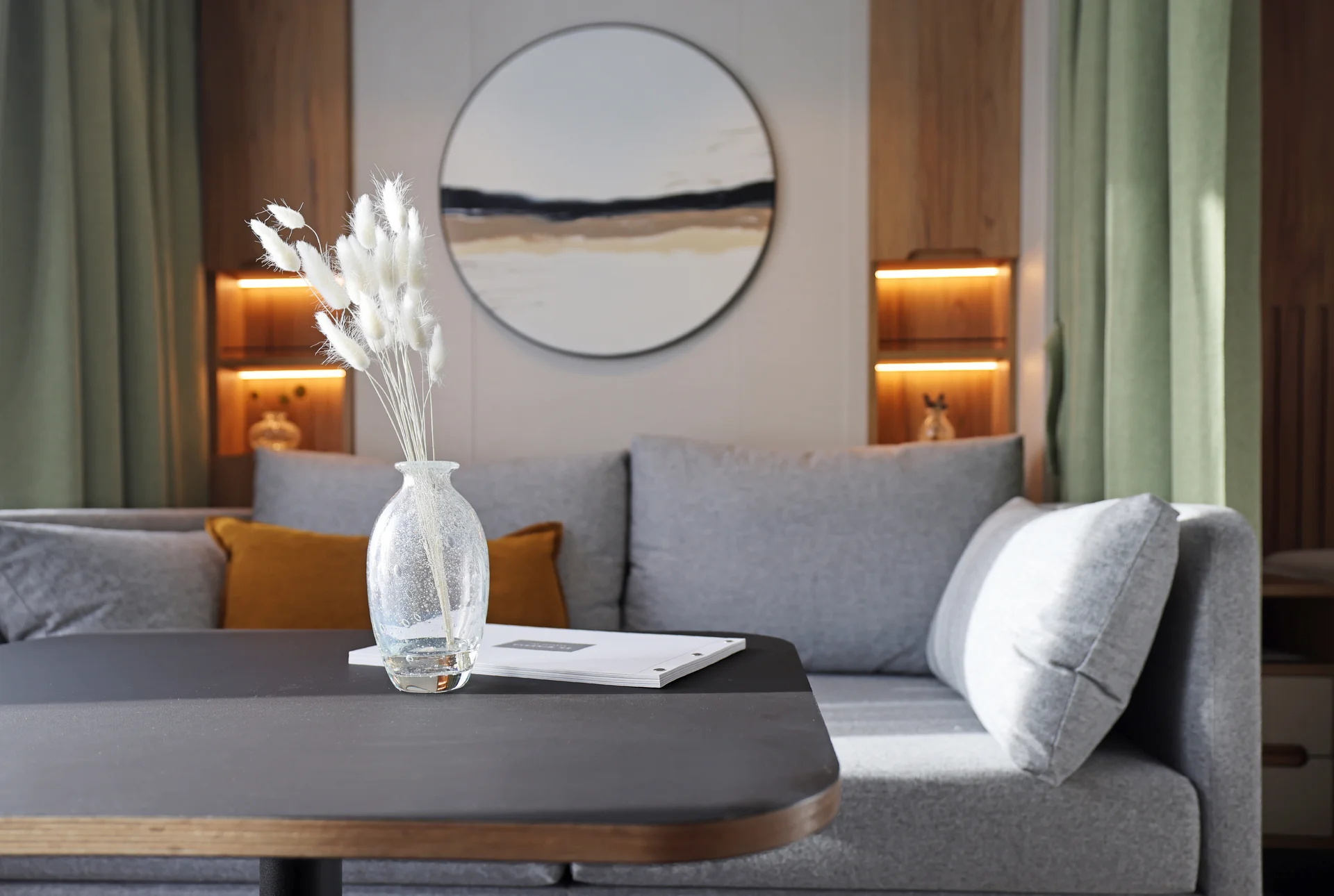
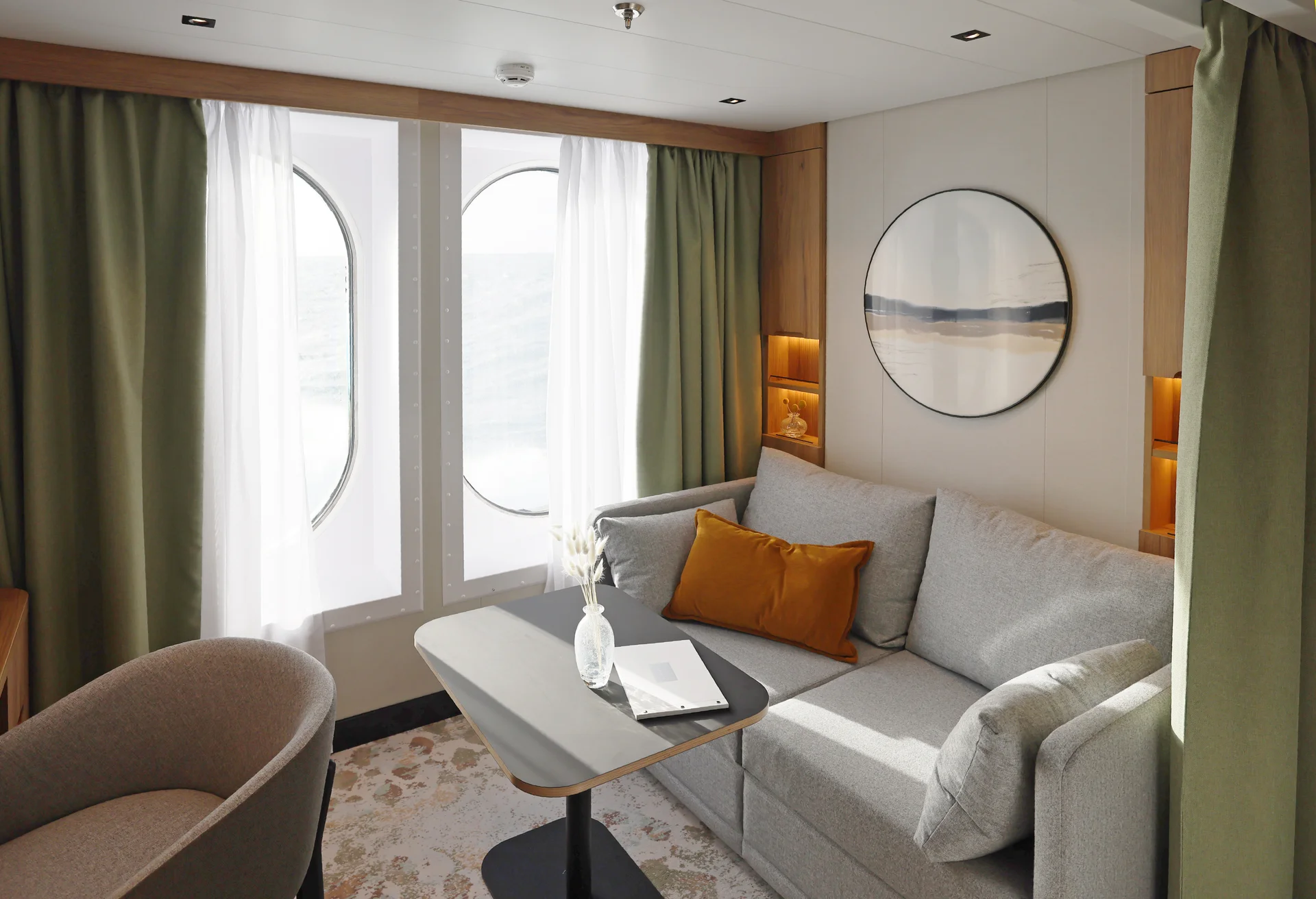
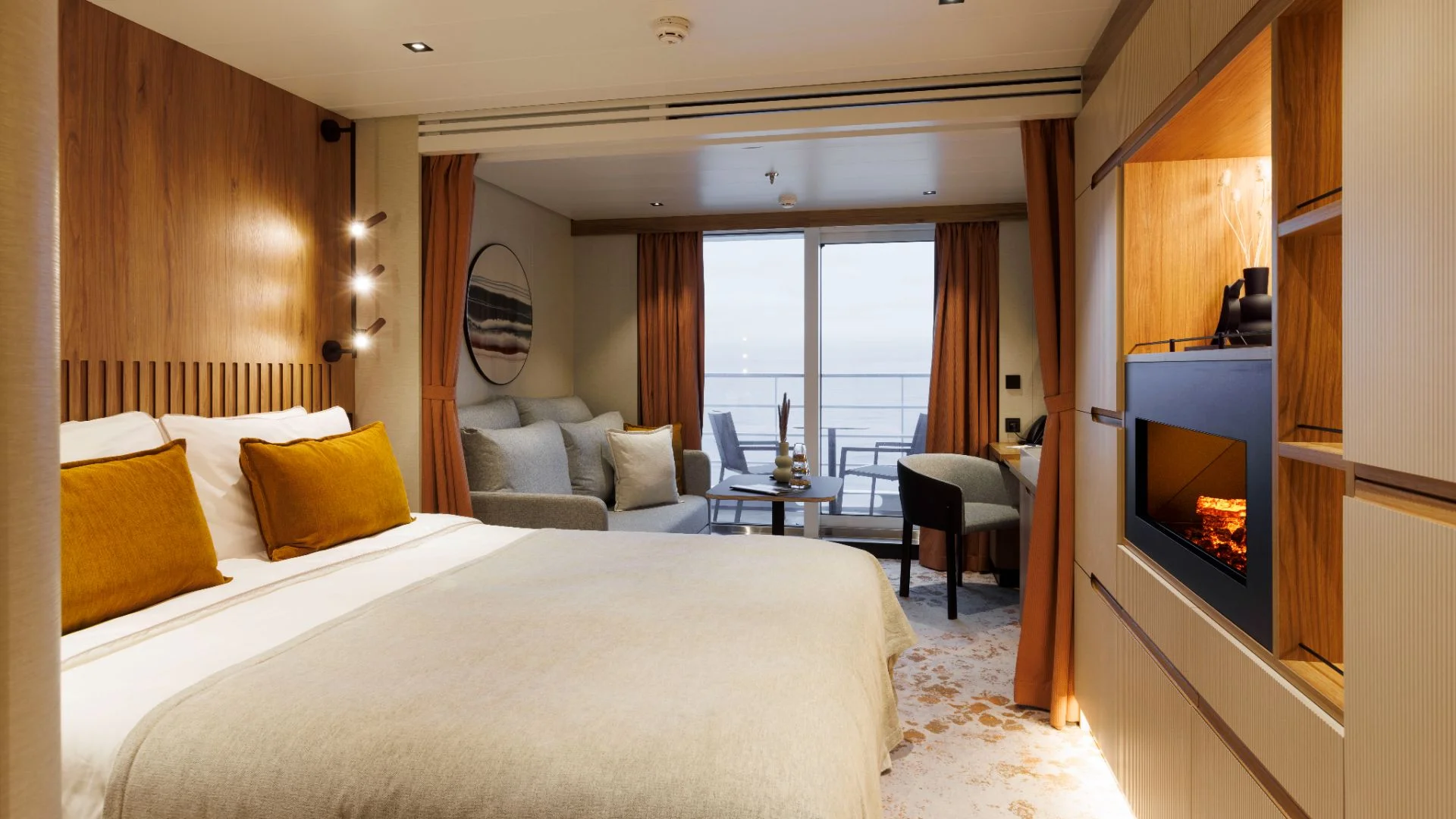
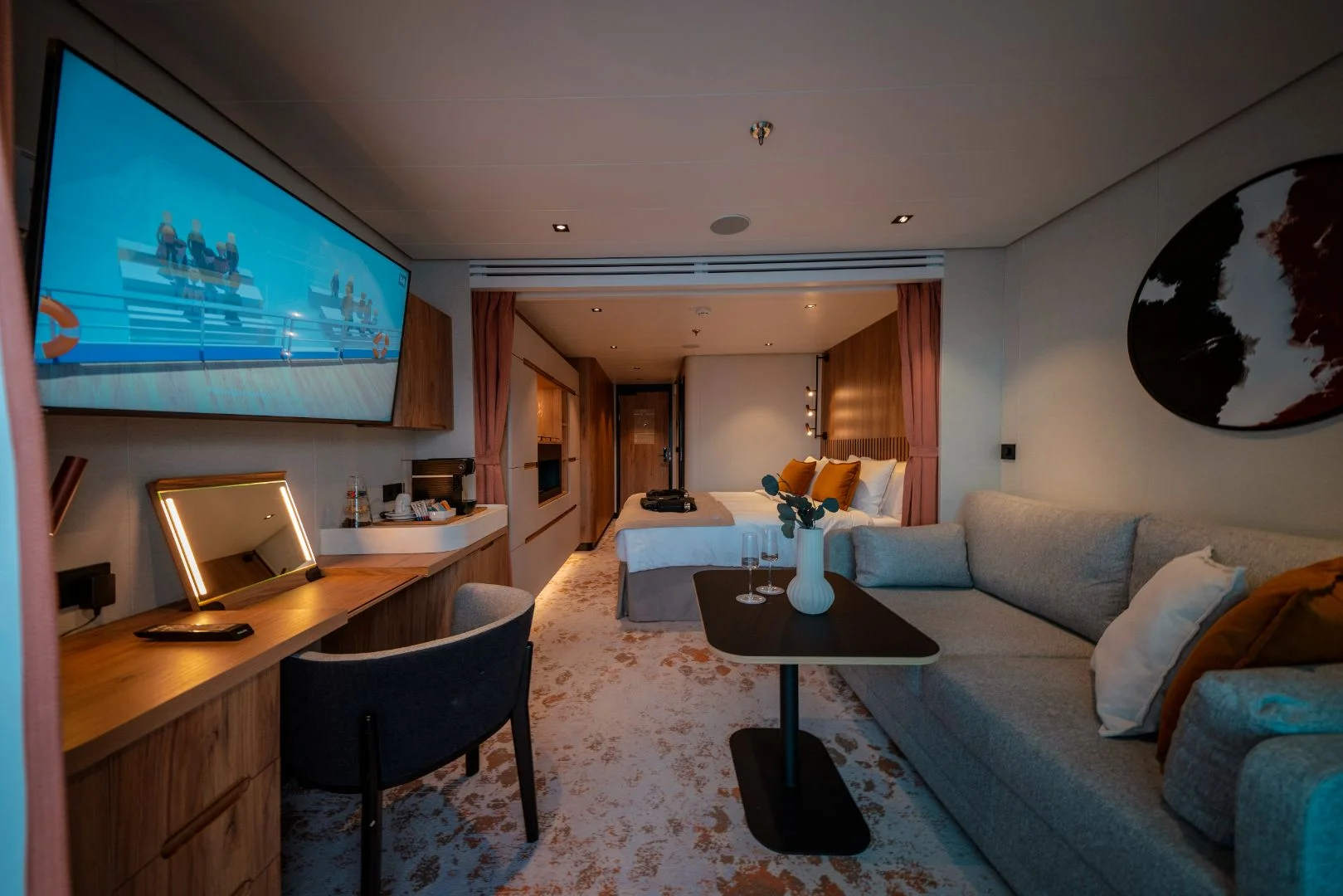
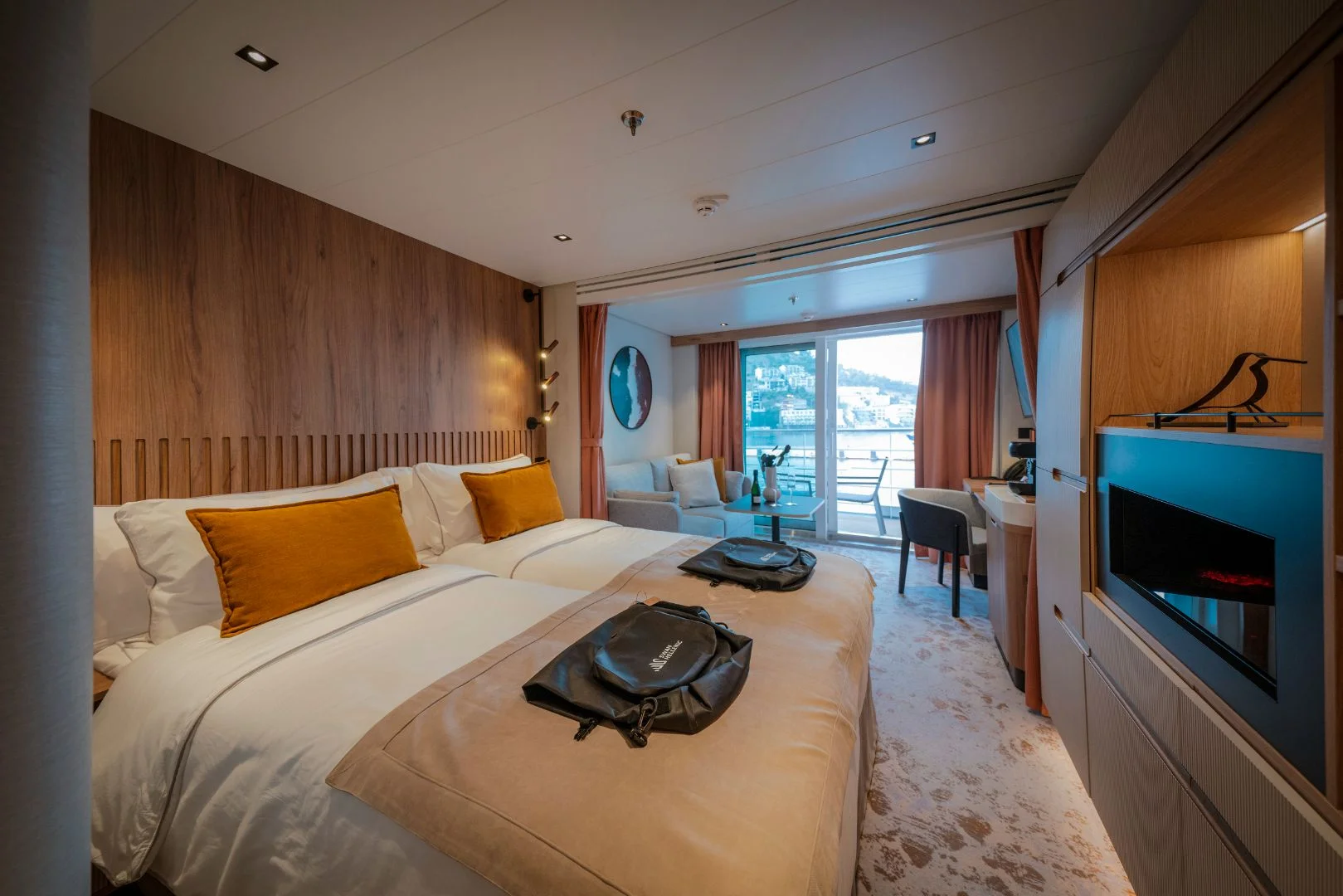
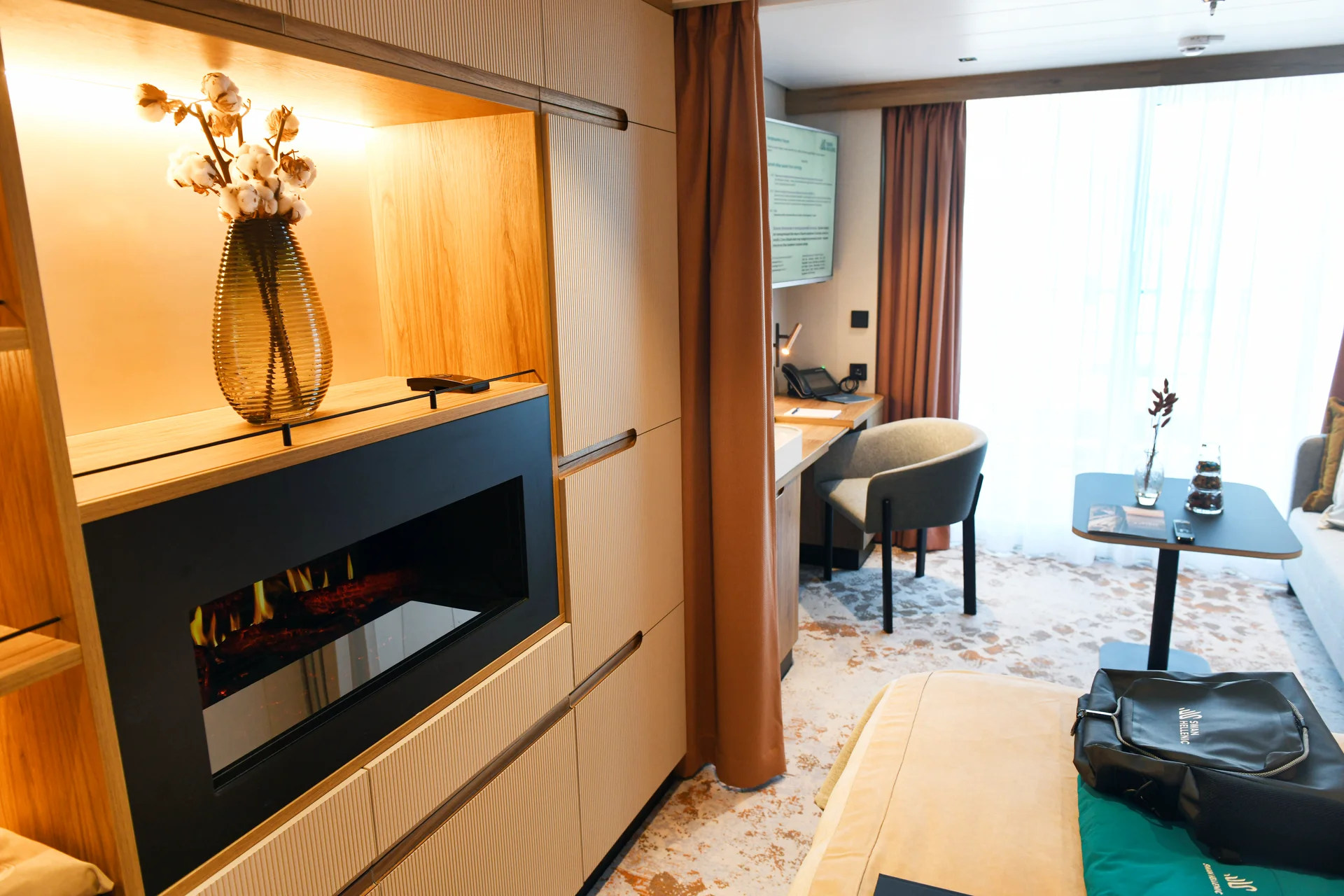
Bright, spacious cabins become a quiet home away from home
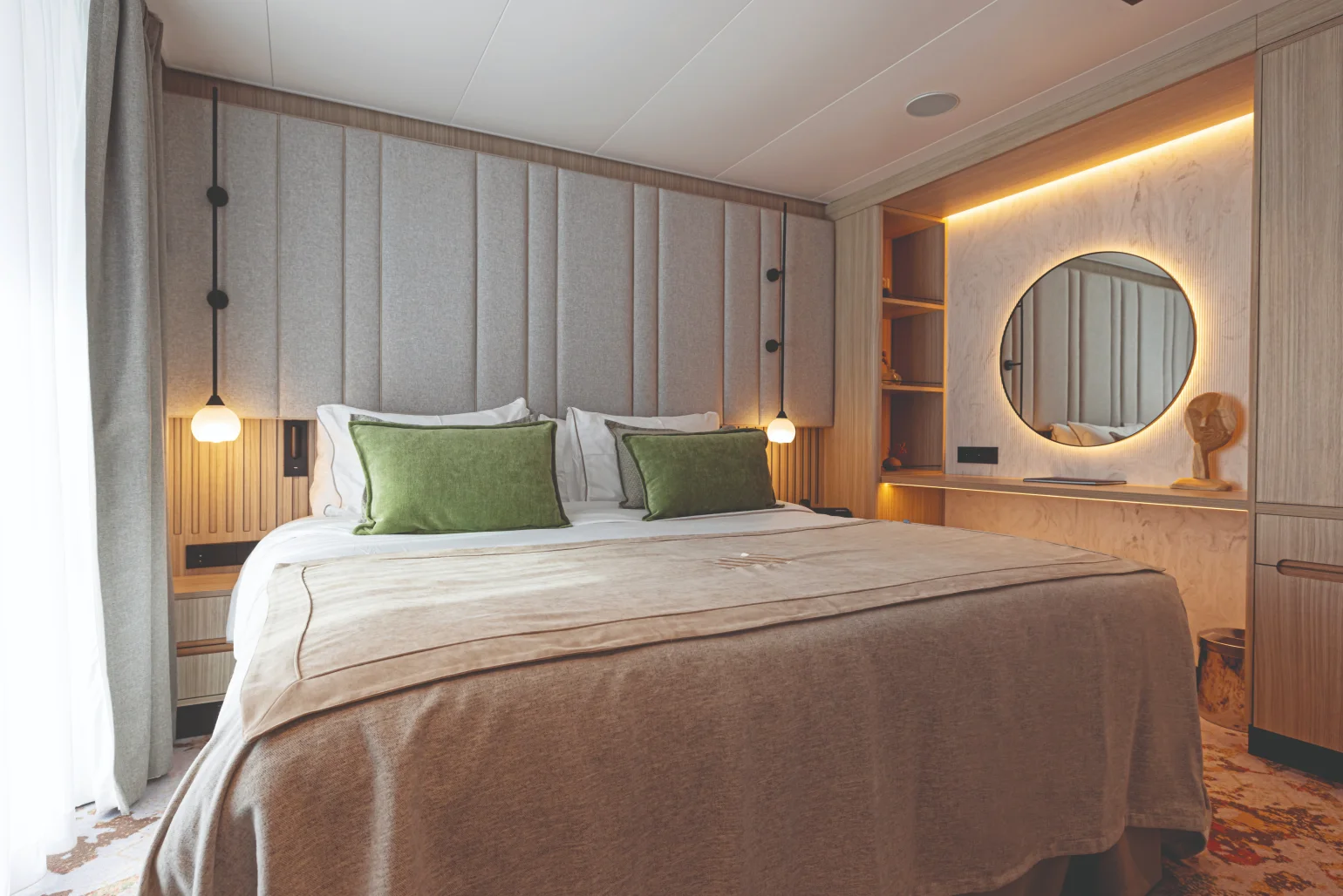
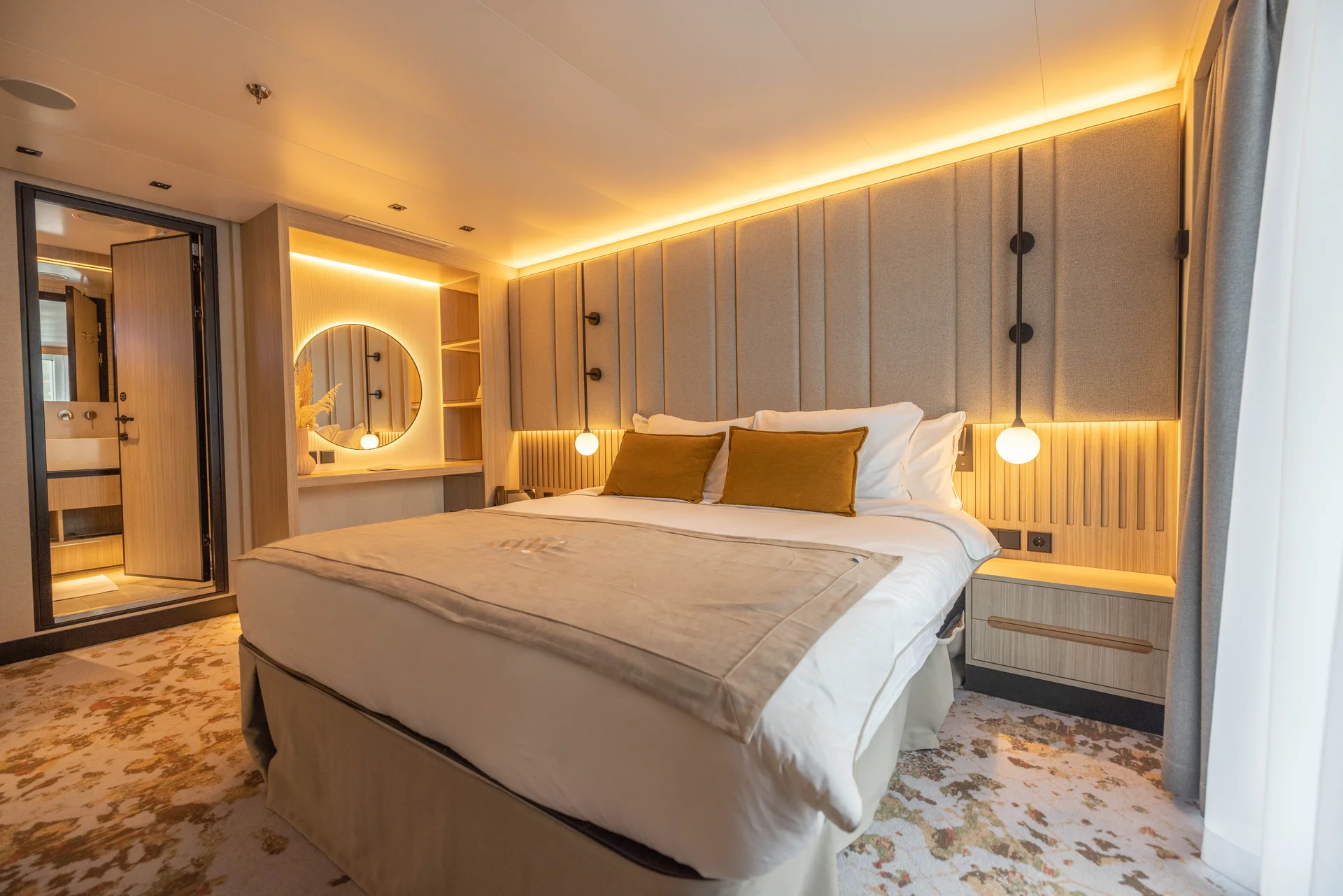
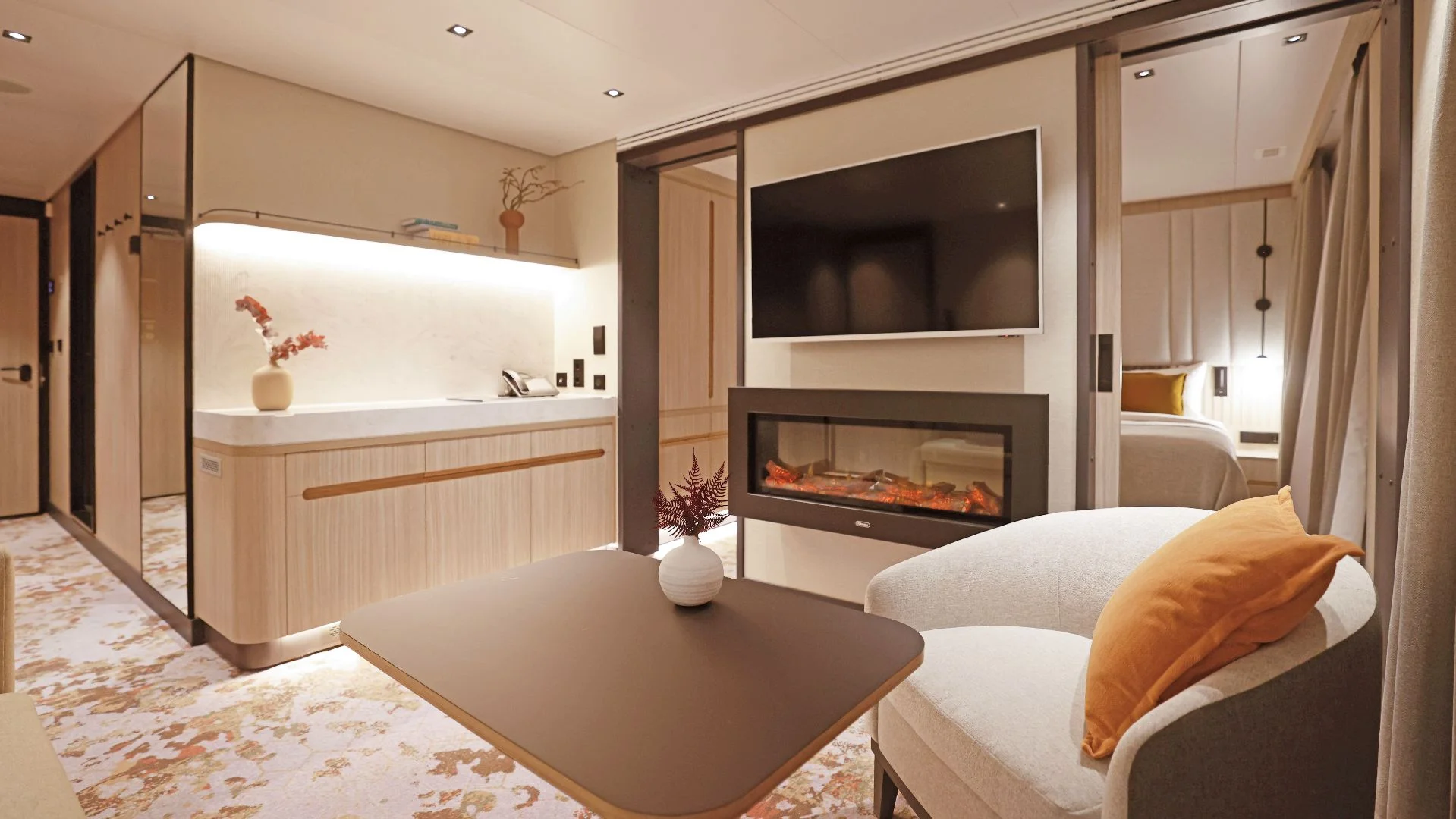
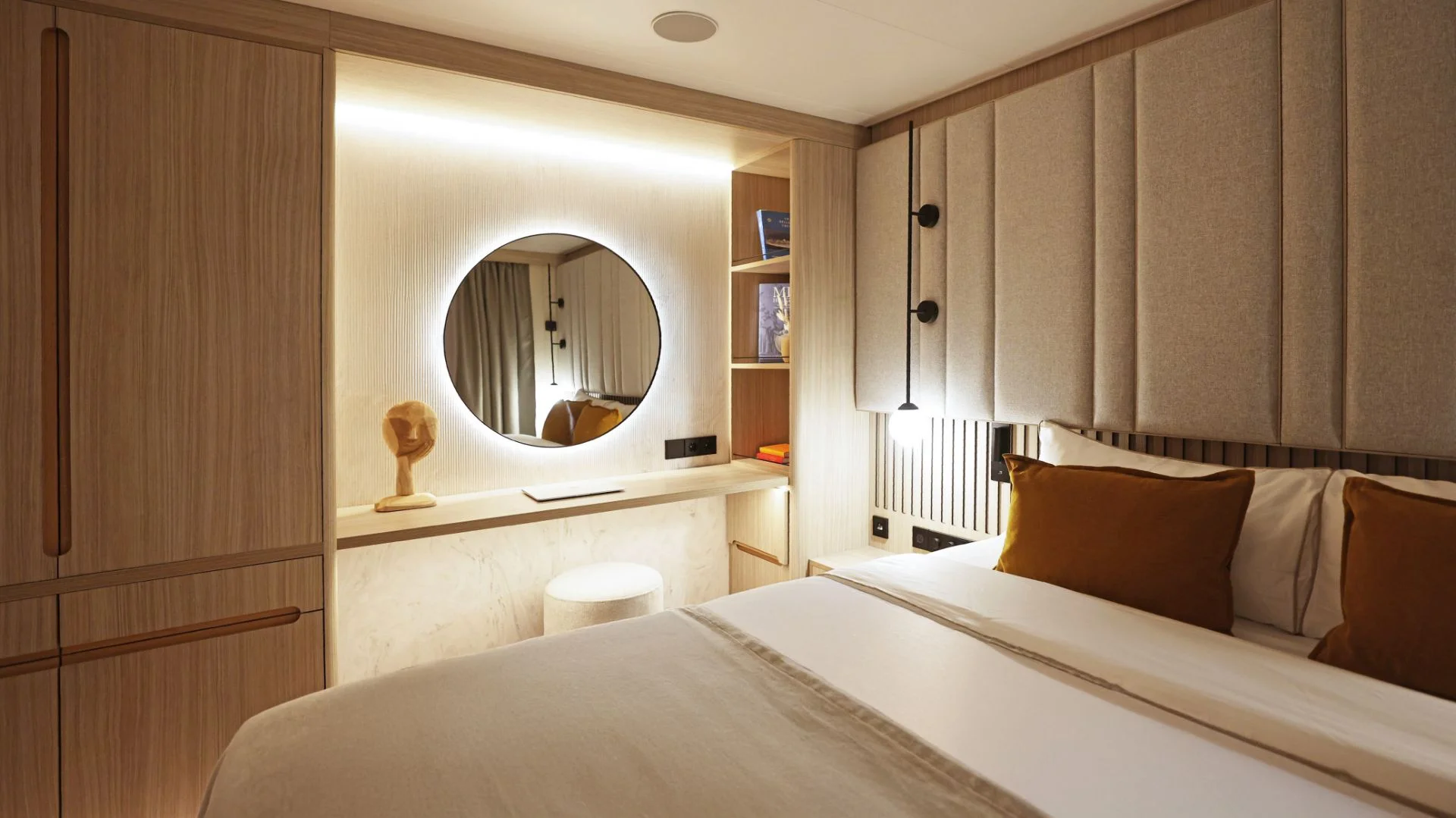
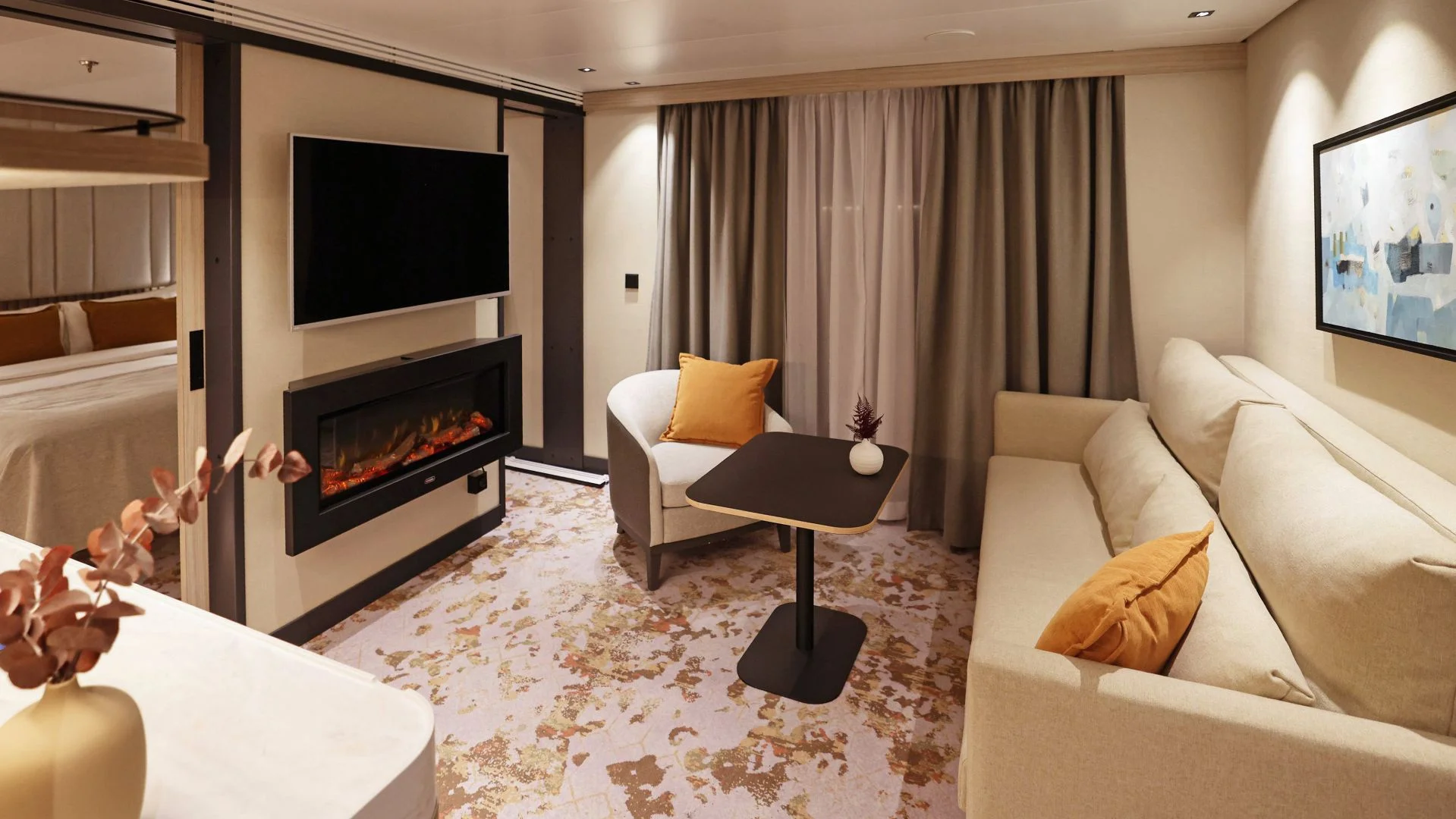
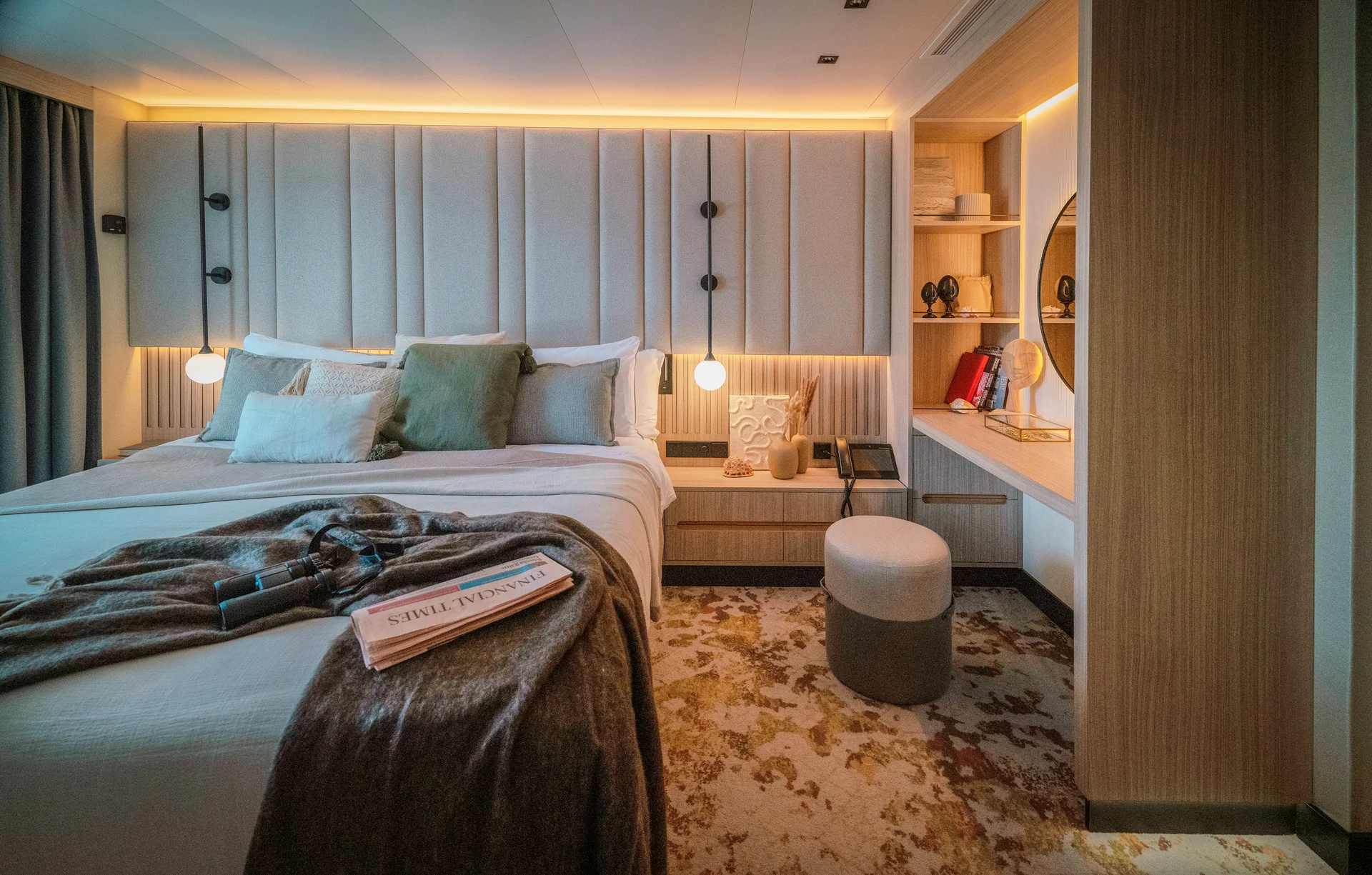
The design is clean and understated, with an elegant Scandinavian feel in natural tones. Deeper textile accents, layered textures and well-placed lighting create a calm, comfortable atmosphere. Soft furniture lines and gently rounded walls, shaped by the ship's ergonomics, are finished with a few carefully chosen details.
Cabins
Choose your cabin aboard the expedition vessel SH Minerva.
Oceanview
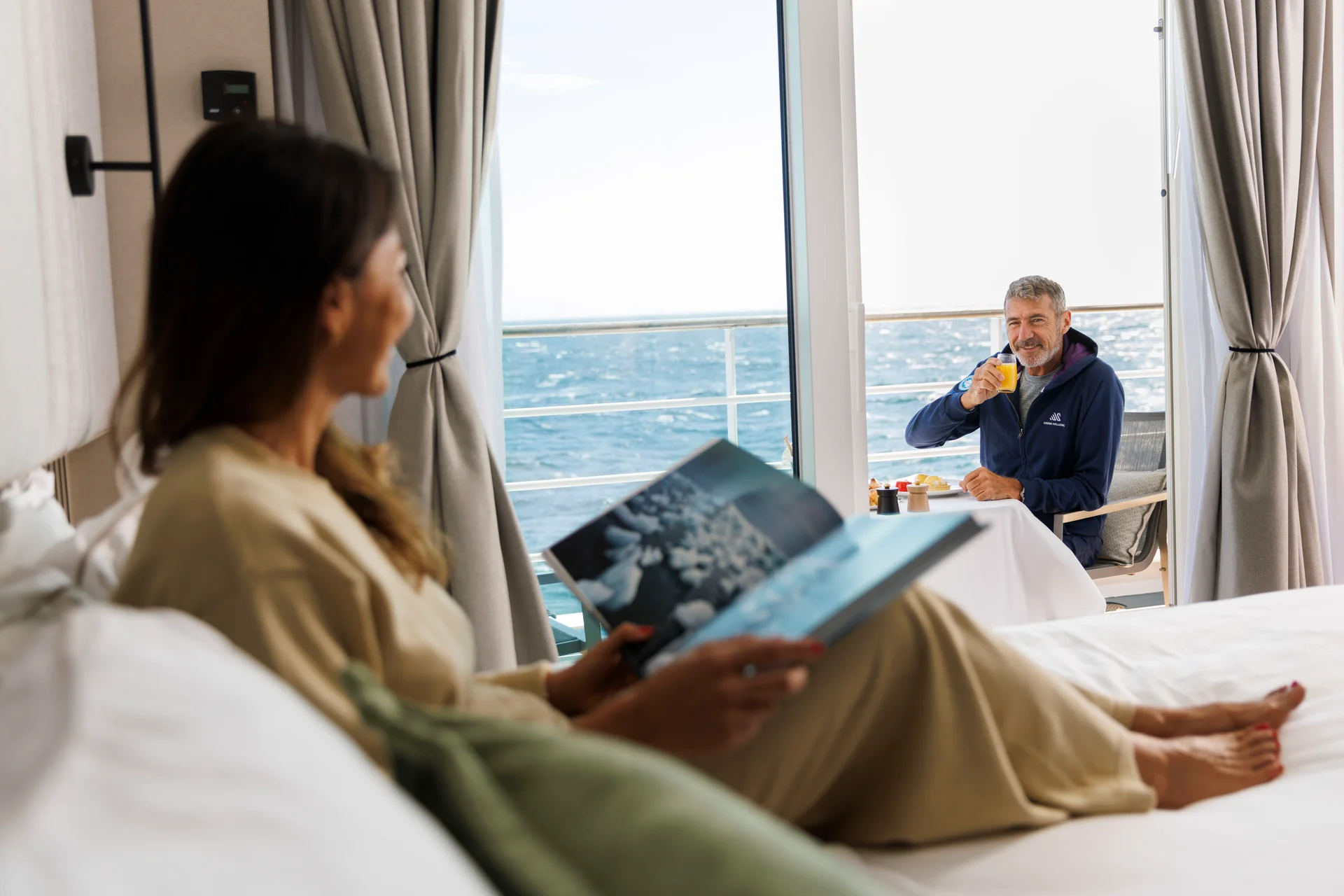
20 m²Oceanview Staterooms feature two single beds or a double bed, a bedroom with living room area, and a luxurious bathroom.
Balcony
25 m²Balcony Staterooms feature two single beds or a double bed, a bedroom with living room area, a luxurious bathroom, and a 5 m² private balcony.

Suite
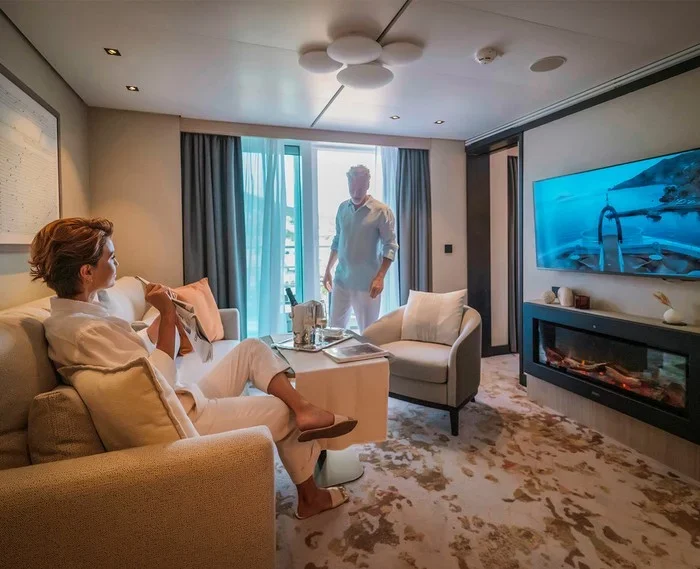
40 m²Suites feature a king size bed and a separate living room with a flame-effect fireplace. There is also a luxurious ensuite bathroom — with separate bath tub and walk-in shower — and a private balcony. Sleeps up to 4 guests.
Premium Suite
47 m²Premium Suites have a king size bed, a separate living room and a flame-effect fireplace. There is also a luxurious ensuite bathroom — with separate bath tub and shower — a walk-in wardrobe, and an 8 m² private balcony. Sleeps up to 4 guests.
Expedition team
Guests can enjoy engaging lectures and fascinating stories shared by the expedition team's expert guides and lecturers.
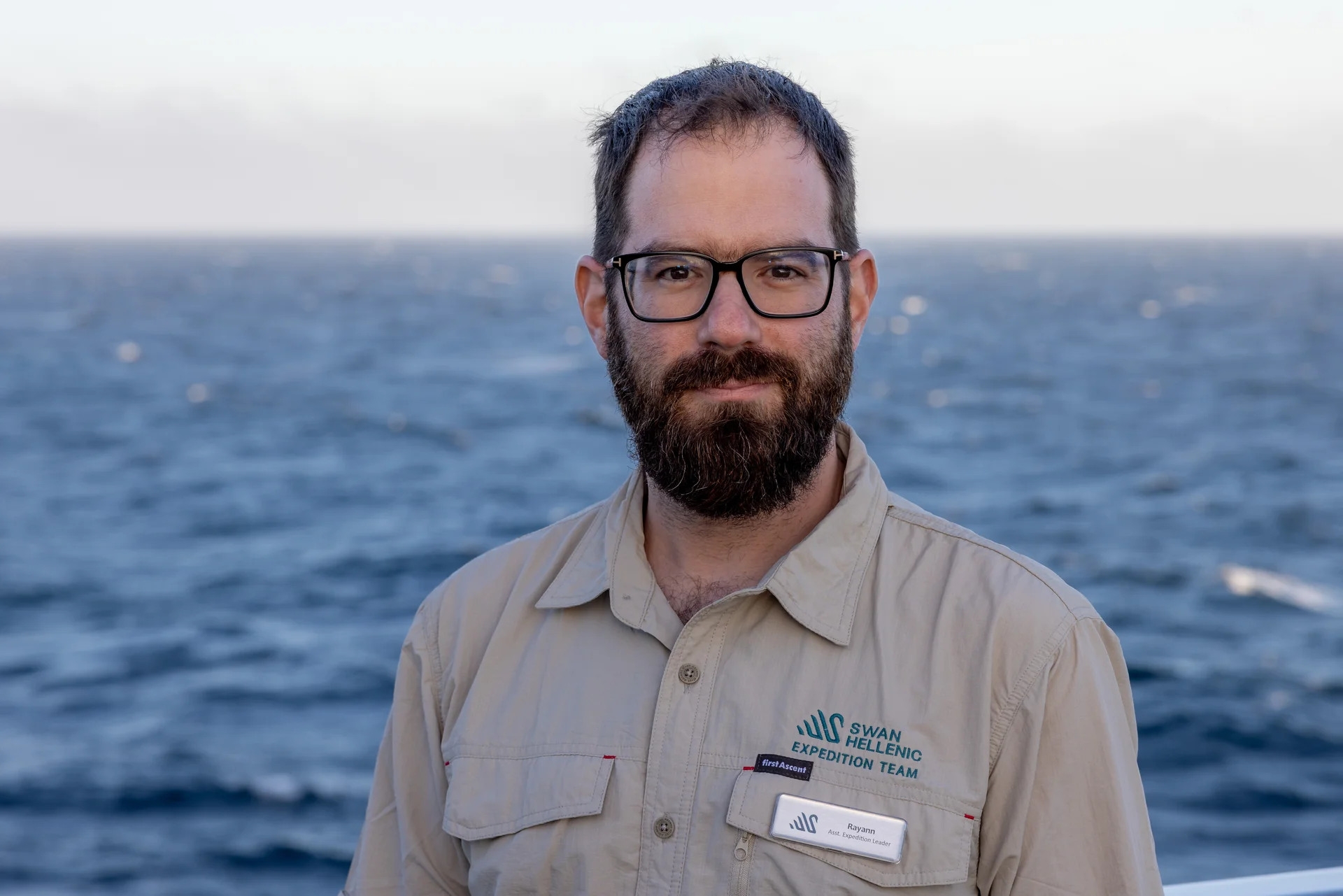
Rayann Elzein
Expedition leader
Born in France, Rayann is a passionate nature photographer who now calls Finnish Lapland home. Inspired by the unique and breathtaking landscapes of his adopted country, he found his perfect muse there. Since then he has travelled in pursuit of the northern lights and the endless ice of Greenland, Svalbard and Antarctica. His work has helped him understand the impact of climate change on wildlife and on the people who live in the most remote corners of the world.
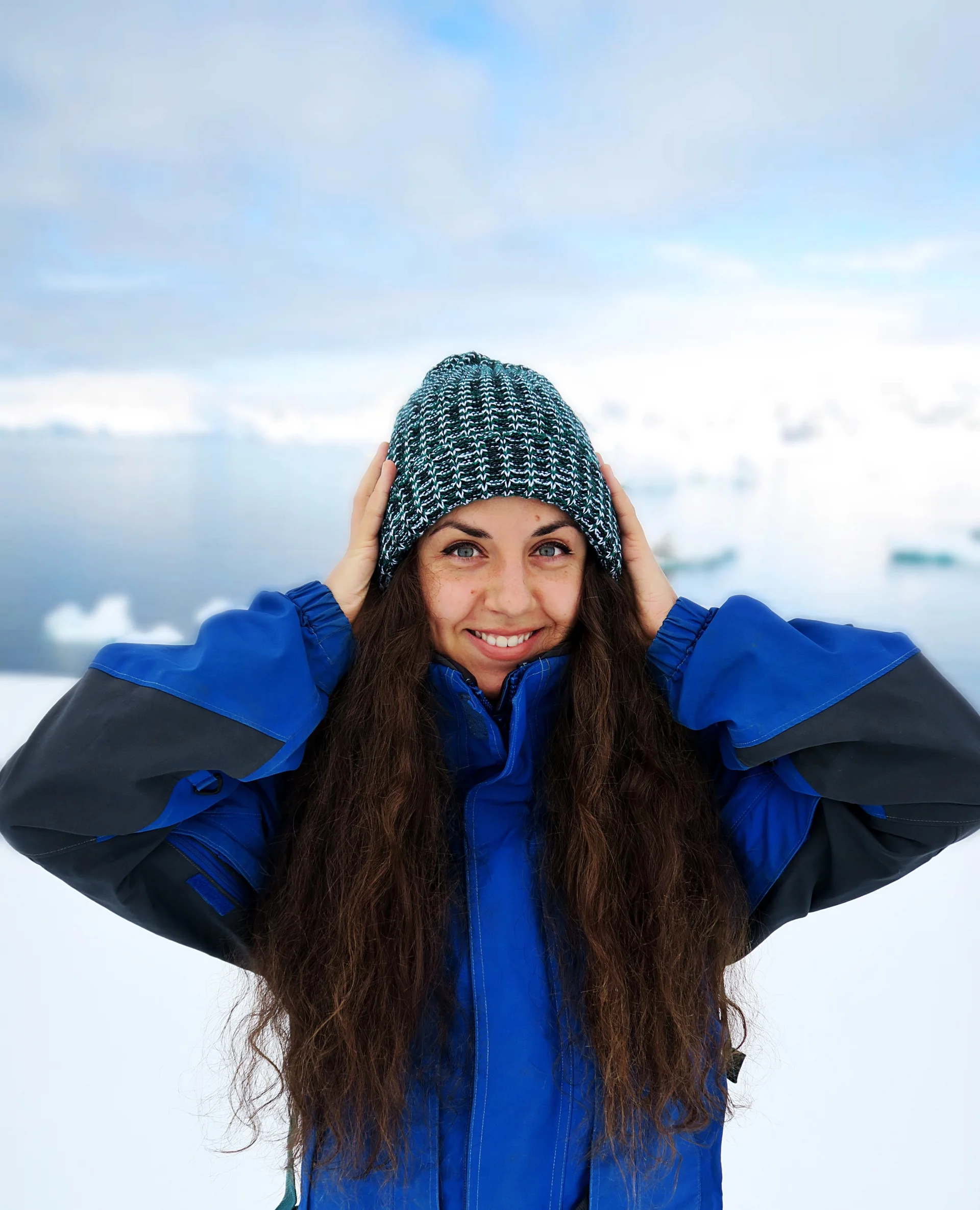
Anna Astafurova
Marine biologist
Anna specialises in marine mammals. After her first expedition to Svalbard in 2015 and an encounter with the King of the Arctic, the polar bear, her life split into a “before” and an “after”. Choosing the path Jacques-Yves Cousteau once described — “if a man has the chance to lead an extraordinary life, he has no right to refuse it” — Anna's life has since been closely bound to the polar jewels of our planet, and almost every year, much like the migration of some baleen whales, she travels between the Southern and Northern hemispheres. When she is not in the polar regions, Anna can be found at the Faculty of Biology of Moscow State University, in the laboratory of general ecology and hydrobiology, where she and her colleagues study the concentration of plastic particles in the stomach contents, organs and tissues of gray whales.
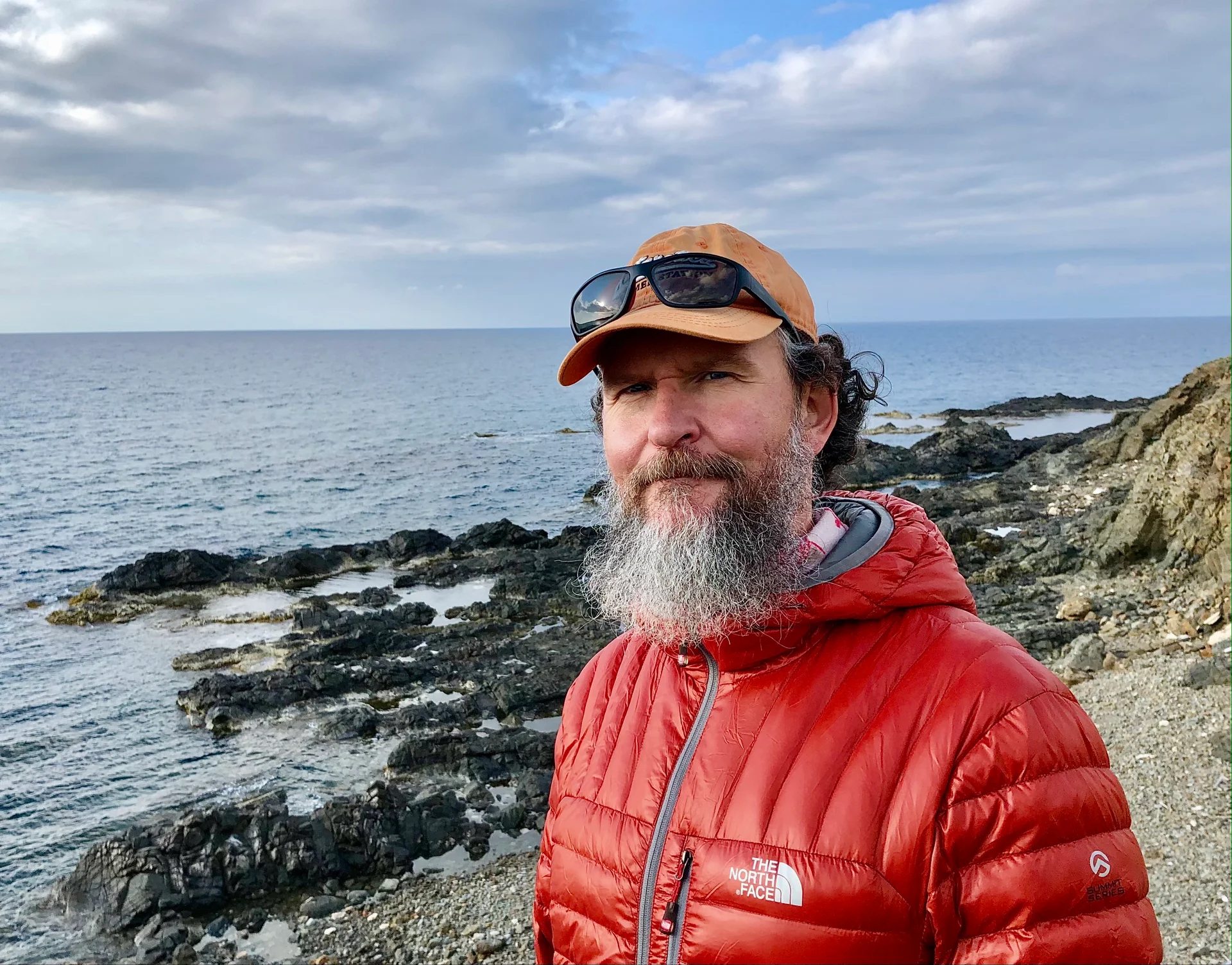
Mitya Kiselev
Polar historian
Born in Kamchatka in the Russian Far East, Mitya combines a love of history with a life devoted to exploring the world. A historian by training, he studies Chinese and the culture of the Asia-Pacific region and has published around 40 works on oriental studies, naval history and polar exploration. A keen backpacker, Mitya has travelled from Tromsø to Cape Town and from Amsterdam to Ho Chi Minh City. Expedition travel opened new horizons for him: from the icy Arctic to the harsh Antarctic and the most remote latitudes in between. On land, Mitya enjoys hiking, restoring his 80-year-old stone house in Cyprus and honing his woodcarving skills.
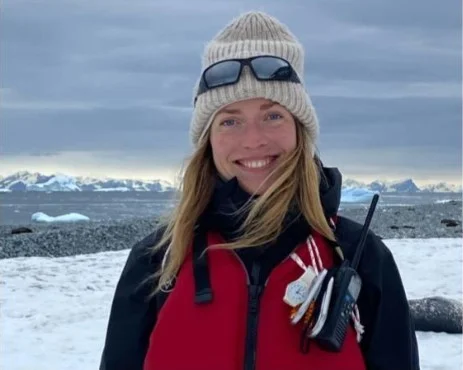
Alena Antonova
Polar guide and naturalist
Alena has visited more than 40 countries in her life. She has been to the North Pole, Antarctica, South Georgia, the Falkland Islands, Patagonia, Greenland, Iceland, Scotland, Ireland, Costa Rica, Panama, Australia and across Europe. Her exploration of the polar regions began in 2018, and she has since worked three full seasons in the Arctic and as many in the Antarctic. Beyond travelling, Alena practises yoga professionally and even runs classes on board for guests who wish to join.
Rayann Elzein
Expedition leader
Born in France, Rayann is a passionate nature photographer who now calls Finnish Lapland home. Inspired by the unique and breathtaking landscapes of his adopted country, he found his perfect muse there. Since then he has travelled in pursuit of the northern lights and the endless ice of Greenland, Svalbard and Antarctica. His work has helped him understand the impact of climate change on wildlife and on the people who live in the most remote corners of the world.
Anna Astafurova
Marine biologist
Anna specialises in marine mammals. After her first expedition to Svalbard in 2015 and an encounter with the King of the Arctic, the polar bear, her life split into a “before” and an “after”. Choosing the path Jacques-Yves Cousteau once described — “if a man has the chance to lead an extraordinary life, he has no right to refuse it” — Anna's life has since been closely bound to the polar jewels of our planet, and almost every year, much like the migration of some baleen whales, she travels between the Southern and Northern hemispheres. When she is not in the polar regions, Anna can be found at the Faculty of Biology of Moscow State University, in the laboratory of general ecology and hydrobiology, where she and her colleagues study the concentration of plastic particles in the stomach contents, organs and tissues of gray whales.
Mitya Kiselev
Polar historian
Born in Kamchatka in the Russian Far East, Mitya combines a love of history with a life devoted to exploring the world. A historian by training, he studies Chinese and the culture of the Asia-Pacific region and has published around 40 works on oriental studies, naval history and polar exploration. A keen backpacker, Mitya has travelled from Tromsø to Cape Town and from Amsterdam to Ho Chi Minh City. Expedition travel opened new horizons for him: from the icy Arctic to the harsh Antarctic and the most remote latitudes in between. On land, Mitya enjoys hiking, restoring his 80-year-old stone house in Cyprus and honing his woodcarving skills.
Alena Antonova
Polar guide and naturalist
Alena has visited more than 40 countries in her life. She has been to the North Pole, Antarctica, South Georgia, the Falkland Islands, Patagonia, Greenland, Iceland, Scotland, Ireland, Costa Rica, Panama, Australia and across Europe. Her exploration of the polar regions began in 2018, and she has since worked three full seasons in the Arctic and as many in the Antarctic. Beyond travelling, Alena practises yoga professionally and even runs classes on board for guests who wish to join.
See what others don't
Send us a request and we will take you to new shores, to wildlife and to places few travellers ever reach.
See what others don't
Send us a request and we will take you to new shores, to wildlife and to places few travellers ever reach.